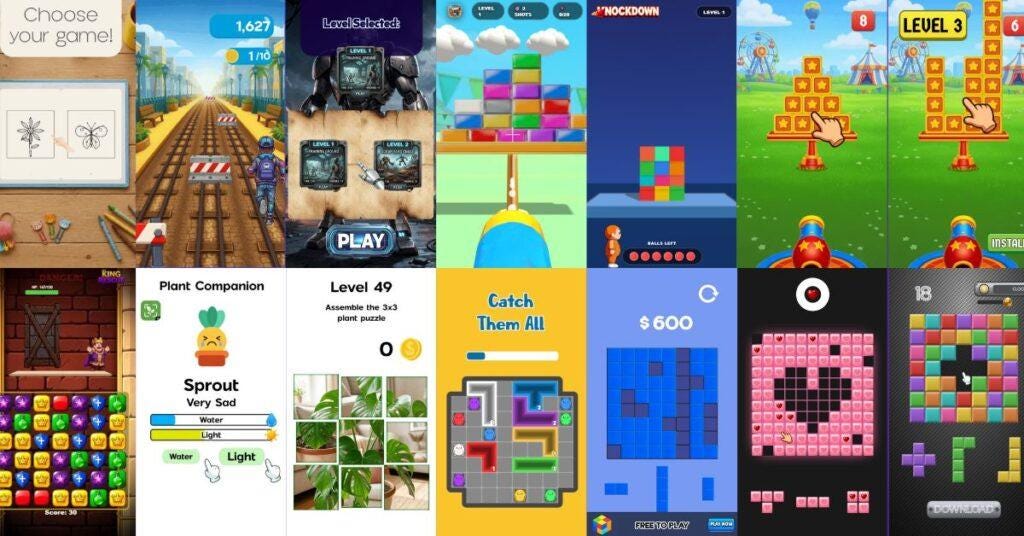
The primary objective of this analysis is to provide actionable user acquisition strategies for mobile game developers navigating the privacy-centric landscape of Apple’s SKAdNetwork (SKAN). The central thesis posits that successful scaling in a post-IDFA environment requires patience, specific volume thresholds for data optimization, and a diversified geographic approach to bypass privacy limitations.
Key findings emphasize the critical nature of the 72-hour data delay on iOS. To avoid disrupting algorithmic optimization, marketers are advised to refrain from making any campaign changes during this initial window. Furthermore, the analysis identifies a specific privacy threshold on Meta platforms, noting that campaigns must achieve at least 88 installs per day to receive comprehensive postback data. To reach this volume, developers should consider increasing budgets, refreshing creative assets, or expanding into broader geographic tiers to lower costs per install.
The scope of the discussion covers global user acquisition trends as of mid-2024, with specific focus on major advertising channels including Meta, Google, Unity, TikTok, and AppLovin. Geographic strategies involve categorizing countries into tiers based on performance, with recommendations to move underperforming Tier 1 markets like Canada and Australia into secondary tiers while utilizing TikTok for specific emerging markets.
The methodology relies on expert industry observation and case study analysis, specifically highlighting the global launch of Zombie.io. This case study reveals a high-volume spending strategy of $100,000 to $150,000 per day, driven by a diverse creative strategy and a heavy reliance on AppLovin for scaling. The analysis concludes that modern user acquisition success depends on high-quality playable ads and a rigorous framework for geographic and creative testing.