The primary purpose of this analysis is to provide actionable user acquisition (UA) strategies for mobile game developers navigating the privacy-centric landscape of the post-IDFA era. The text serves as a diagnostic guide for troubleshooting underperforming campaigns, emphasizing that perceived UA failures are often the result of technical misconfigurations or data insufficiencies rather than inherent flaws in the game or market.
Key findings highlight specific data thresholds required for campaign stability and optimization. To maintain visibility within Apple’s SKAdNetwork (SKAN) and avoid privacy thresholds, campaigns should aim for a minimum of 100 installs per day. Furthermore, for purchase-based optimization to be effective, a baseline of 10 to 20 daily purchase events is recommended to provide the necessary data points for machine learning algorithms. The analysis also warns against the common pitfall of sending ad revenue data within purchase events for games that are not heavily reliant on ad monetization, as this can dilute the quality of user signals and lead to the acquisition of low-value users.
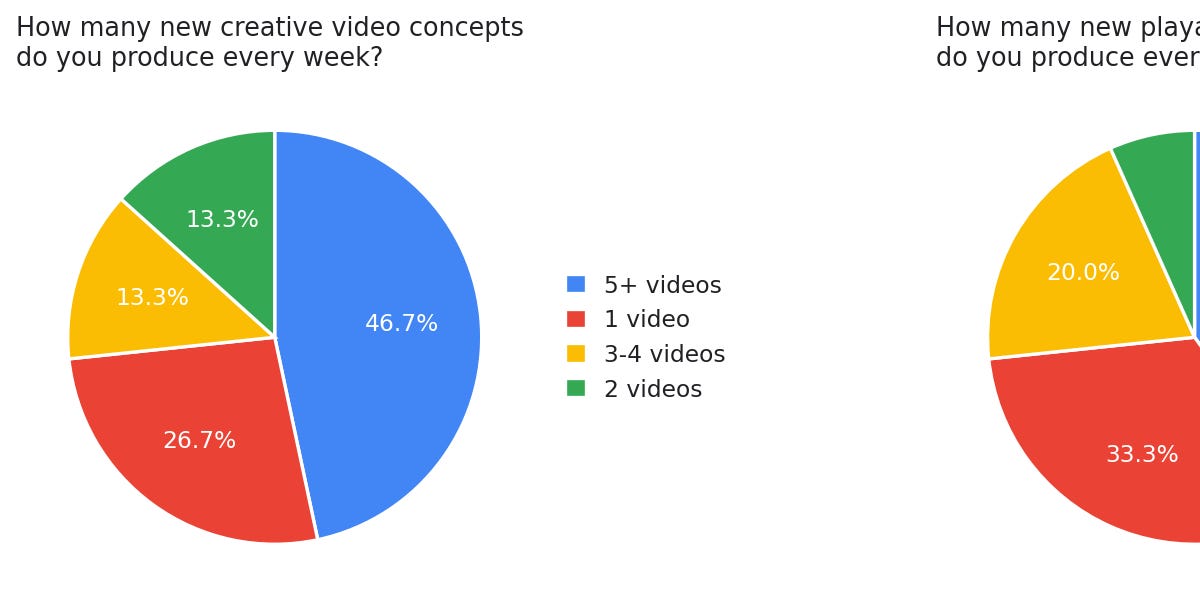
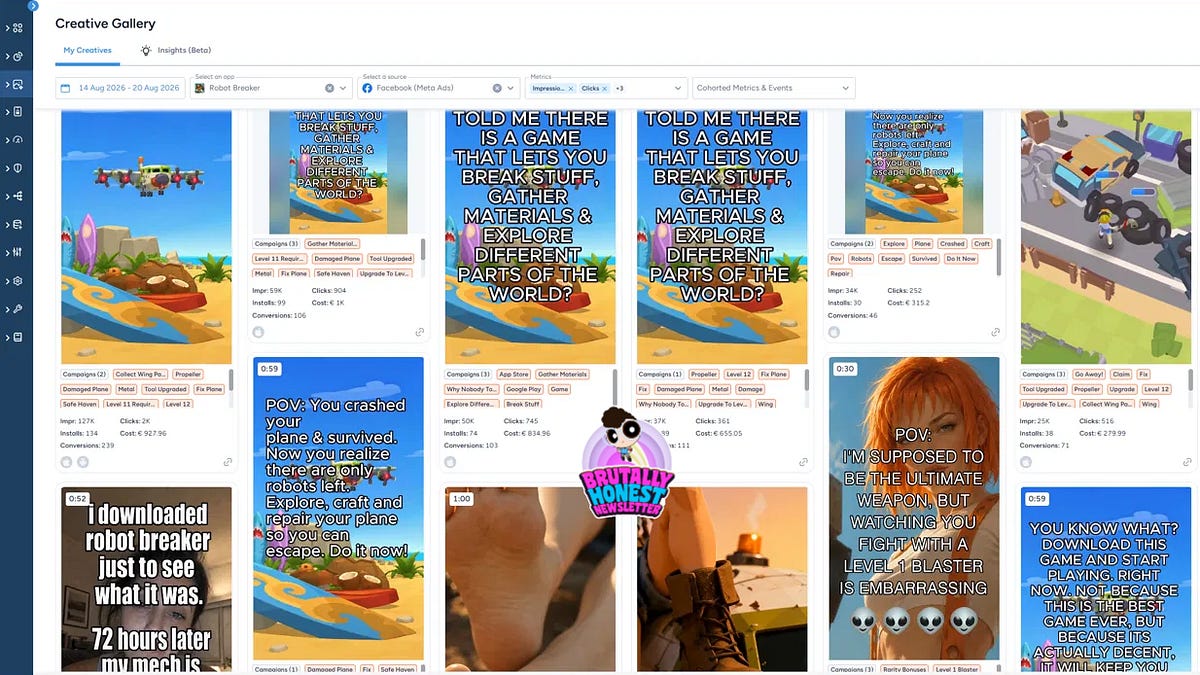
The scope of the insights covers the global mobile gaming industry in 2024, with a particular focus on the merge game segment, which has seen significant revenue growth through titles like Travel Town and Merge Dragons. Methodologically, the findings are based on professional consultancy experience, real-world soft launch data, and creative testing frameworks. The conclusions stress the importance of creative depth, suggesting a minimum of five distinct concepts per campaign, and rigorous verification of event tracking between Mobile Measurement Partners (MMPs) and ad channels to ensure accurate data transmission.