This case study examines the growth and user acquisition strategy of Alien Invasion: RPG Idle Space, a hybrid-casual mobile game developed by Multicast Games and later acquired by CrazyLabs. The game successfully bridges hypercasual mechanics—such as intuitive one-finger controls and satisfying "grabbing" visuals—with mid-core progression systems, including RPG meta layers, character upgrades, and live operations. This hybrid approach allows the title to benefit from the low cost-per-install typical of hypercasual games while maintaining the long-term retention and monetization depth of mid-core titles.
The analysis highlights significant financial performance, noting that the game reached estimated peak revenues of $250,000 per day, with a current baseline of approximately $100,000 to $120,000 daily. Monetization is evenly split between in-app purchases and advertising. Geographically, the game has found unexpected success in Japan and South Korea, alongside traditional markets like the USA and Germany. The user acquisition mix is led by AppLovin, which accounts for 30-35% of total spend, followed by Google at 20% and Mintegral.
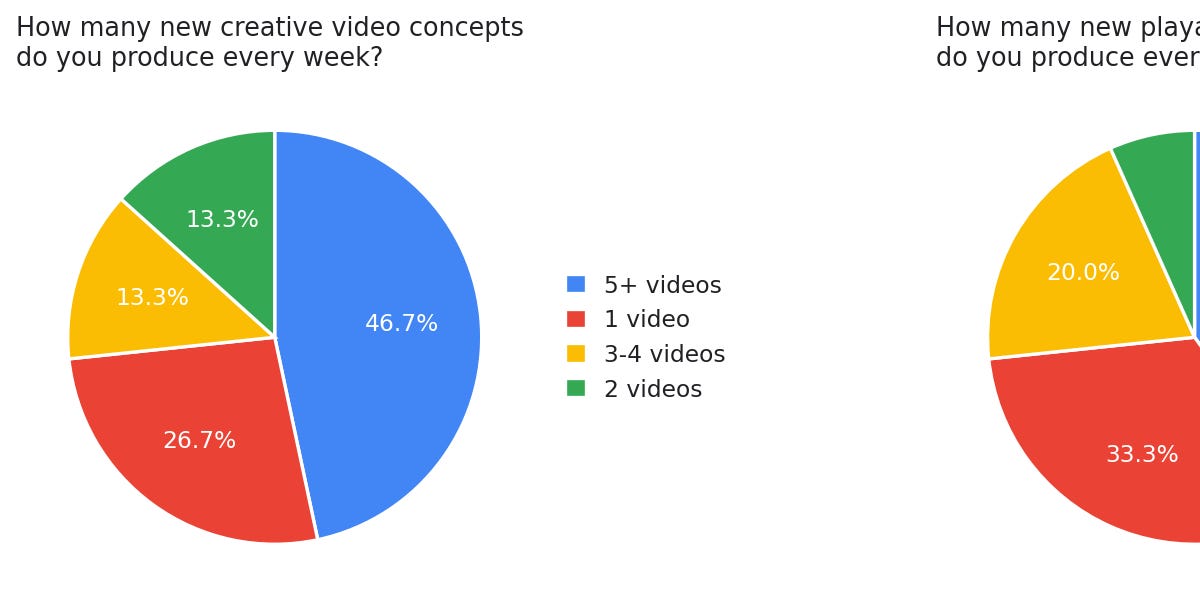
A central thesis of the study is how a small team can scale effectively by utilizing real-time data tools rather than expanding headcount. By integrating AppMetrica with their existing mobile measurement partner, the team achieved a 200% return on ad spend with an annual budget exceeding $1 million. This setup allowed managers to monitor performance and optimize budgets 24/7 via mobile devices. The study concludes that while the game has achieved impressive diversification across UA channels, further scaling will require deeper creative investment, specifically through increased production of playable ads and weekly video iterations to maintain campaign health.