This analysis provides eleven practical strategies for optimizing mobile user acquisition (UA) operations, specifically tailored for the Q3 landscape. The primary thesis emphasizes that modern UA success relies on creative-centric strategies, disciplined soft launch phases, and aggressive channel diversification. The scope covers global mobile gaming markets, with specific geographic insights into Tier 1 and Tier 2 regions, and addresses industry segments ranging from hyper-casual to mid-core games.
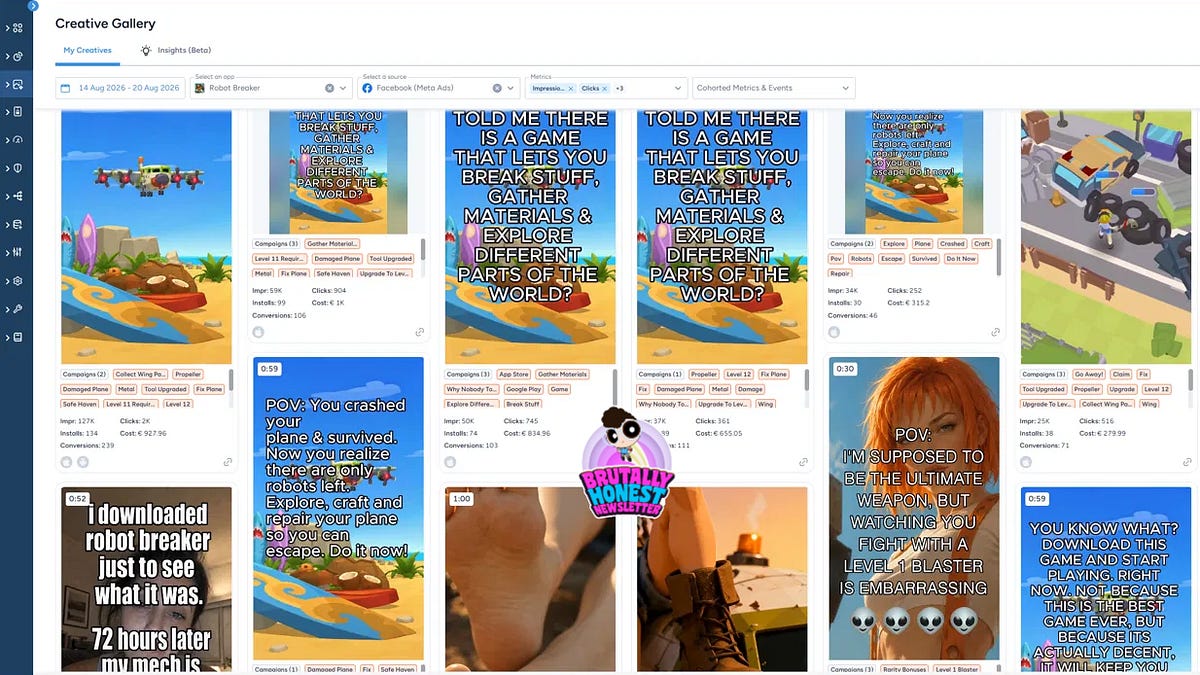
Key findings highlight the transformative role of AI in creative production, noting that rapid iteration of static concepts can significantly accelerate the discovery of winning video ads. The data suggests that creative performance is highly genre-dependent; for instance, racing games thrive on gameplay-oriented video on TikTok, while cooking games often see superior results from static images on Facebook. Regarding platform performance, the analysis notes a decline in Facebook’s immediate efficacy, suggesting that advertisers must now utilize broader geographic mixes and varied optimization events, such as Value Optimization (VO) and App Event Optimization (AEO), to achieve historical performance levels.
The methodology for soft launching is redefined into three distinct stages: Technical, Retention, and Monetization. A critical conclusion is that developers should avoid the United States for initial soft launches, instead utilizing Tier 2 markets like Poland for mid-core games to preserve high-quality user pools for global launch. Financial benchmarks provided include the "Impression per DAU" metric, where a value above 4.0 indicates a healthy rewarded video integration. Furthermore, the analysis suggests a compressed timeline for game evaluation, advising developers to consider "killing" underperforming titles within three to six months if key performance indicators fail to improve after multiple builds. Finally, the findings dismiss localization as a primary growth lever, noting it typically offers only a 10-20% uplift, and urge UA managers to diversify beyond the traditional Facebook-Google duopoly.