This analysis provides a strategic framework for mobile game user acquisition (UA) operations, focusing on the transition into the 2023 market landscape. The primary thesis emphasizes that successful UA requires moving beyond simplistic metrics toward a holistic understanding of lifetime value (LTV) curves, creative iteration, and cross-departmental collaboration. The scope covers global mobile gaming trends, specifically addressing platform shifts across iOS and Android, while highlighting the increasing importance of channels like TikTok, Applovin, and IronSource alongside traditional giants like Google and Meta.
Key findings suggest that relying solely on Day 7 Return on Ad Spend (ROAS) is insufficient because different channels exhibit vastly different maturation curves; for instance, Facebook may reach 100% ROAS at Day 60, while TikTok might achieve it by Day 14. To scale budgets effectively, the author recommends a stepped approach, increasing spend by 20-30% monthly while monitoring the extension of the payback period from Day 30 toward Day 90. Operational efficiency is further driven by campaign consolidation and tier-based geographic targeting rather than granular, country-specific management.
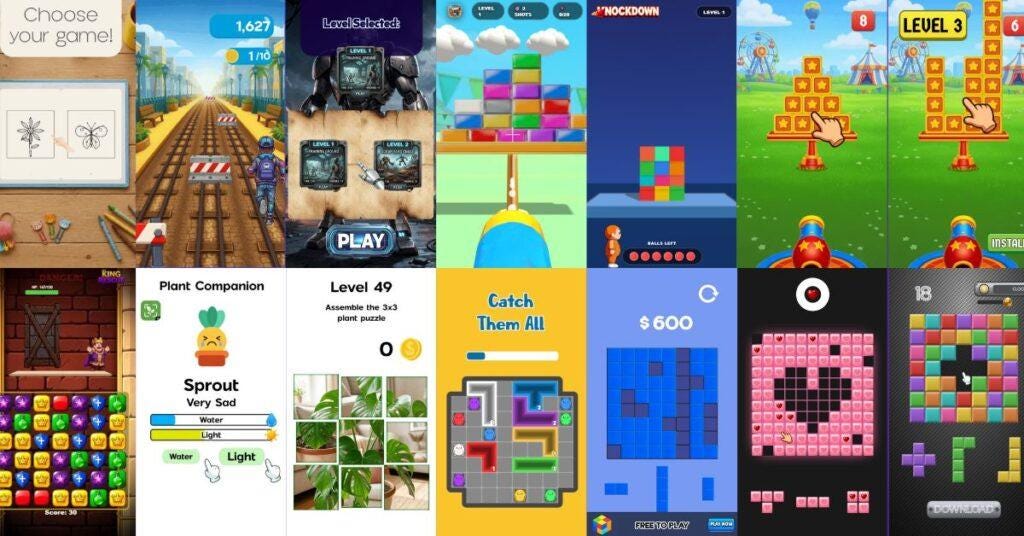
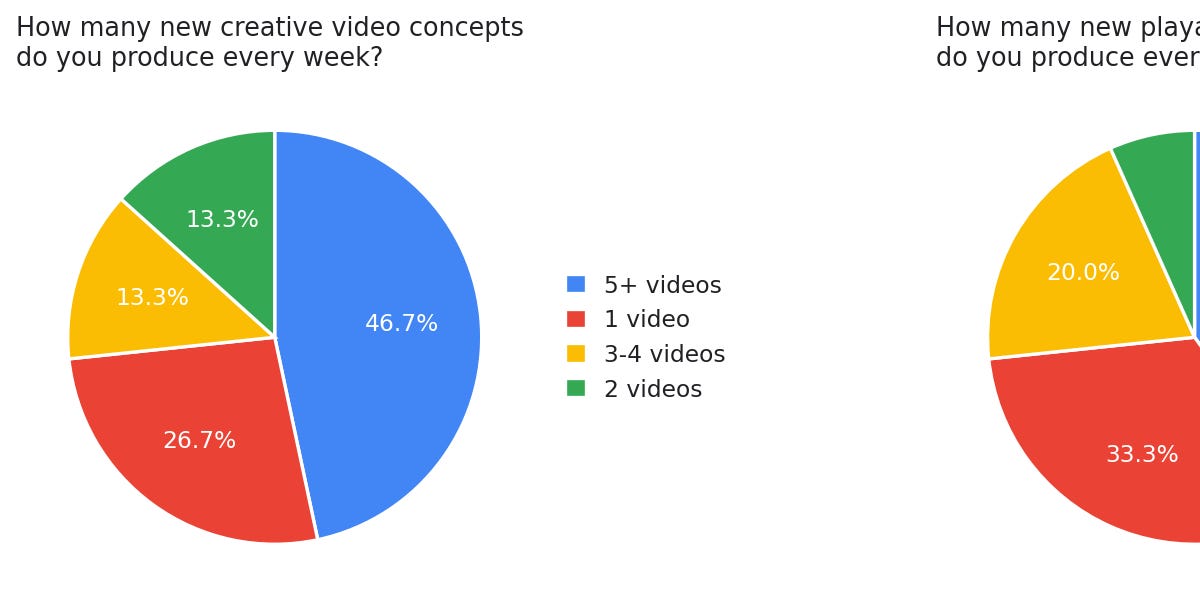
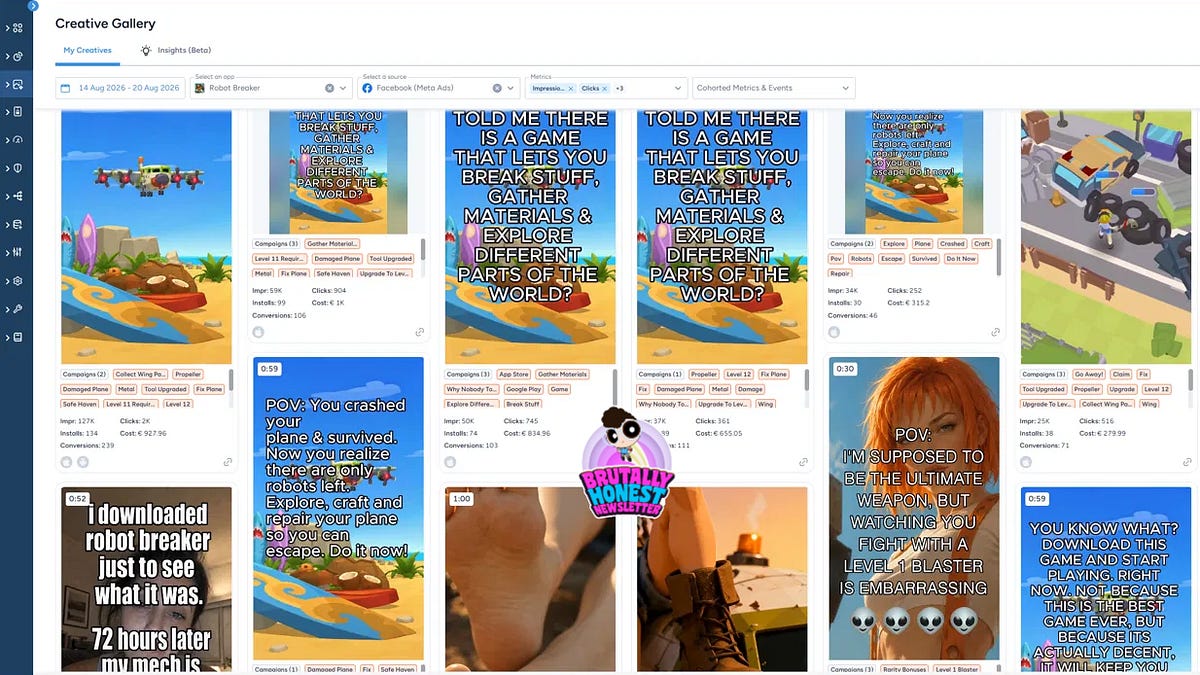
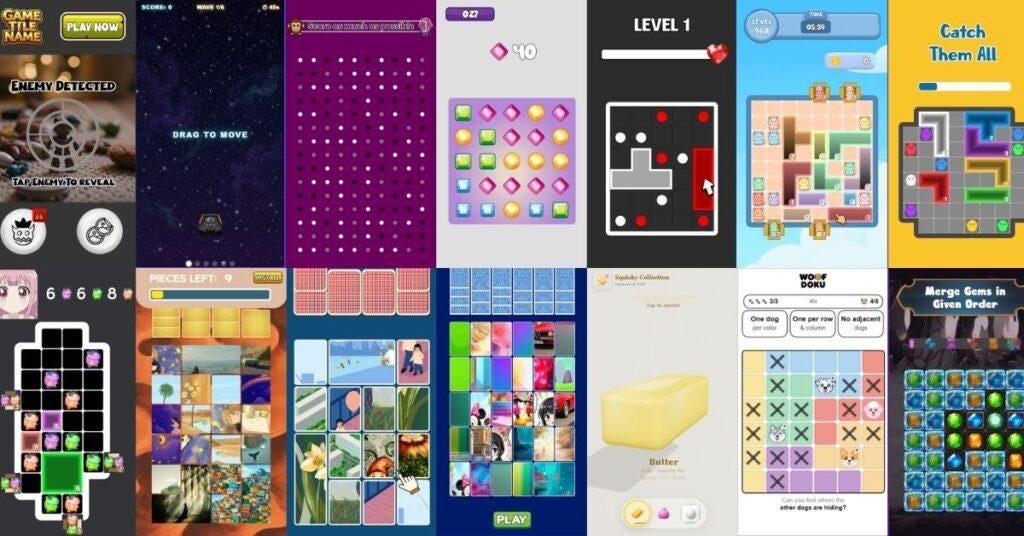
The methodology is rooted in practitioner expertise and qualitative industry observation. Significant emphasis is placed on creative strategy, noting that "altered gameplay" concepts and short-form video under seven seconds are currently driving higher conversion. Furthermore, the integration of generative AI tools like ChatGPT and Midjourney is identified as a critical requirement for modern UA managers to optimize App Store Optimization (ASO) copy and creative brainstorming. The conclusion highlights a broader industry shift toward shorter payback periods—moving from year-long targets to 90 or 180 days—necessitating more aggressive, data-driven optimization of both paid and organic funnels.