Updated Apr 30, 2026 by IGG
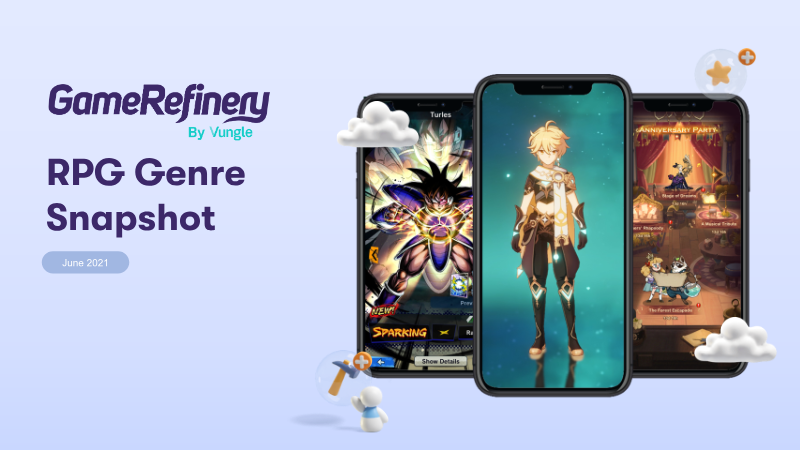
Role-playing games (RPGs) represent a cornerstone of the mobile gaming market, accounting for approximately 14% of total revenue on the US iOS platform as of mid-2021. While the genre has long been dominated by established turn-based titles like Raid: Shadow Legends and Marvel Strike Force, recent market data indicates a significant shift toward Action RPGs. This transition is driven primarily by high-production, open-world titles that bridge the gap between mobile and console-quality experiences. The primary catalyst for this shift is Genshin Impact, which alone commands over 10% of the RPG market share. Alongside the more recent launch of My Hero Academia (MHA): The Strongest Hero, these titles emphasize narrative depth, exploration, and high-fidelity graphics. While both utilize an anime art style, they cater to different player motivations: Genshin Impact focuses on single-player exploration and skill-based combat, whereas MHA integrates more competitive social elements, including synchronous and asynchronous PvP. Monetization within the genre remains heavily reliant on character collection mechanics and sophisticated gacha systems. Analysis of top-performing updates shows that revenue spikes are most frequently tied to limited-time "banner" gachas and IP collaboration events, such as the crossover between The Seven Deadly Sins: Grand Cross and Stranger Things. These events often introduce bespoke gameplay modes, such as tower defense or unique PvE challenges, to maintain engagement. The findings are based on GameRefinery’s proprietary three-layered taxonomy and a motivation framework derived from a survey of over 7000 mobile gamers across English-speaking Western markets. The data specifically covers the US iOS market for the 12-month period leading up to June 2021, highlighting a clear evolution from traditional turn-based mechanics toward immersive, open-world action experiences.
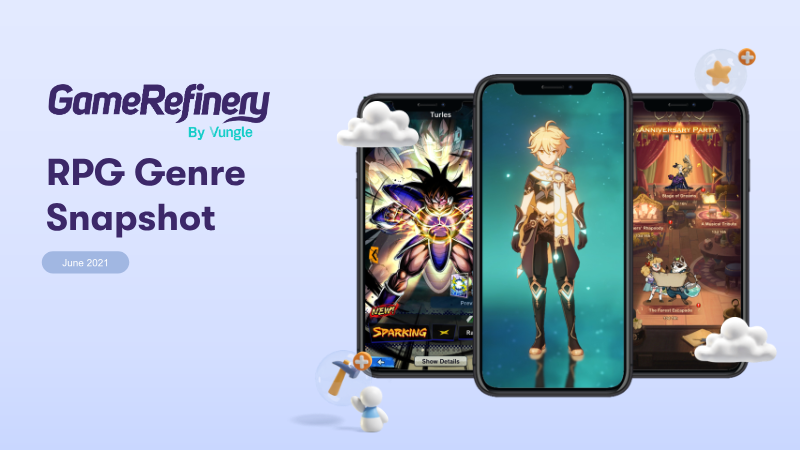
Role-playing games represent a significant pillar of the mobile gaming market, currently holding a 14% revenue share on the US iOS platform. While established titles like Raid: Shadow Legends and Marvel Strike Force maintain their positions at the top of the charts, the genre is undergoing a fundamental shift in subgenre dominance. Historically led by turn-based titles, the market is increasingly defined by high-production action RPGs. This transition is primarily driven by the massive success of Genshin Impact, which alone accounts for 10% of the total RPG market share, and the more recent launch of My Hero Academia: The Strongest Hero. Analysis of these market leaders reveals a trend toward open-world experiences, narrative depth, and console-quality production values. While both leading titles utilize action-based combat and anime art styles, they cater to different player motivations. Genshin Impact focuses on single-player exploration and skill-based mechanics, whereas My Hero Academia emphasizes social and competitive elements through synchronous and asynchronous PvP. Despite these innovations in gameplay, the genre remains anchored by character collection and gacha-based monetization. Revenue performance in the sector is heavily dictated by live operations and content updates. Data indicates that the most significant revenue spikes occur during limited-time events, particularly those introducing new characters via "banner gachas" or step-up mechanics. Furthermore, collaboration events with external intellectual properties, such as the crossover between The Seven Deadly Sins: Grand Cross and Stranger Things, have proven highly effective at engaging audiences. These findings, derived from GameRefinery’s proprietary SaaS dashboard and genre taxonomy, cover the US iOS market over a twelve-month period ending in mid-2021.
IGG Inc. achieved substantial financial expansion during the first quarter of 2014, signaling a successful transition from a net loss of US$3.9 million in the prior year to a profit of US$13.6 million. Total revenue reached US$44.1 million, representing a 206.3% year-over-year increase. This growth was primarily fueled by the mobile gaming segment, which accounted for 79.3% of total revenue, largely due to the widespread success of the title Castle Clash. Despite rising operational, marketing, and research expenditures, adjusted net income climbed to US$13.8 million, a 193.6% increase compared to the first quarter of 2013. The company maintained a robust international footprint as of March 31, 2014, serving 14.5 million monthly active users across 180 countries. Strategic initiatives during this period included a partnership with Tencent for distribution within the People’s Republic of China and the expansion of research and development capabilities through new subsidiaries in Canada. These efforts underscore a commitment to scaling global operations while diversifying the company’s technical infrastructure. Corporate governance and internal management remained central to the company’s operations, characterized by a structured shareholding arrangement and the implementation of long-term incentive programs. Specifically, the company utilized Pre-IPO and post-listing share option schemes, granting 3.7 million options and 1.56 million awarded shares to employees and directors with four-year vesting schedules. While the company adheres to standard governance protocols, it maintains a combined Chairman and CEO role, which the board justifies as a necessary measure for effective strategic management. No dividends were declared for the period, as the company prioritized reinvestment and the allocation of capital toward share purchase schemes to support its ongoing growth trajectory.
The briefing focused on GREE’s fiscal 2019 third‑quarter performance and forward outlook. The company projected a significant rise in net sales for the fourth quarter, with operating income expected to remain robust after excluding one‑time events. Management emphasized continued investment in marketing and development, noting that new titles launched next fiscal year could provide additional upside. Operating income for the third quarter exceeded forecasts largely due to stronger overseas sales of “Another Eden.” Advertising spend stayed near budgeted levels, while fixed‑cost efficiencies in the game business surpassed expectations, contributing to higher profitability. In discussing the Reality division, GREE highlighted key performance indicators such as installation numbers and persistence rates, which it considers critical for sustaining user engagement. The division plans to maintain upfront investments while maintaining healthy KPI trends, aiming to expand its market presence. The briefing covered Japan and international markets for the 2019 fiscal year, with a focus on game development and mobile services. Data points were drawn from internal financial results and operational metrics, with no external survey methodology disclosed. Overall, the company presents a positive trajectory for Q4 and beyond, driven by overseas growth, cost efficiencies, and continued investment in high‑potential titles.