1 free read left. Create a free account for unlimited reading + AI research.
Create free accountArticle How To Market A Game
1 free read left. Create a free account for unlimited reading + AI research.
Create free accountArticleHow To Market A Game
Visibility for indie games functions like an ion thruster, building momentum gradually over time rather than through rapid, singular launches.
Think of it like an ion thruster, not a rocket: slow to start, but builds incredible speed over time.
Key insight. Indie game marketing is a slow process that requires building momentum over months or years.
The primary objective is to dispel the common misconception among indie game developers that early outreach to content creators leads to "overexposure" or wastes a singular opportunity for success. The central thesis asserts that indie marketing is a slow, iterative process rather than a singular event, and developers should prioritize early and frequent engagement with content creators to build momentum.
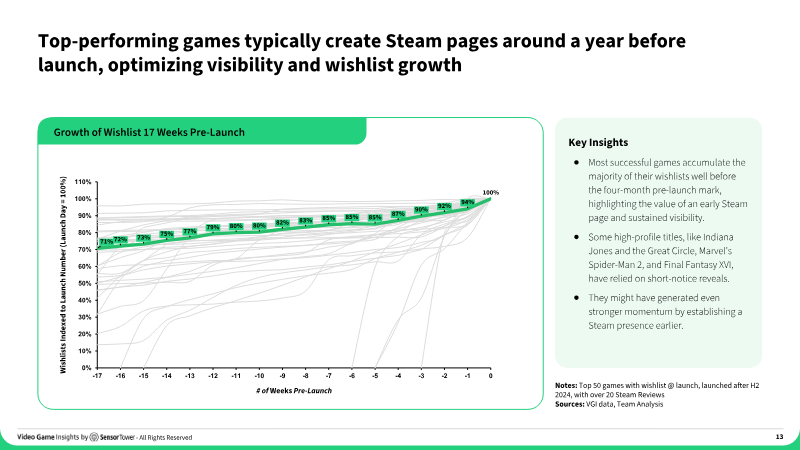
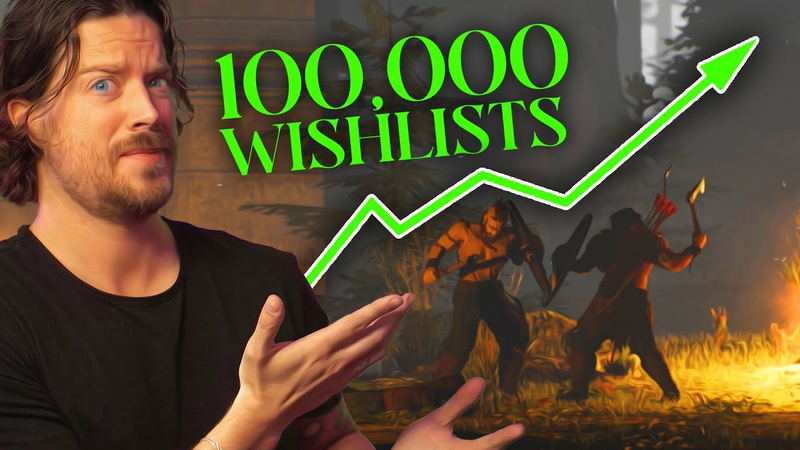
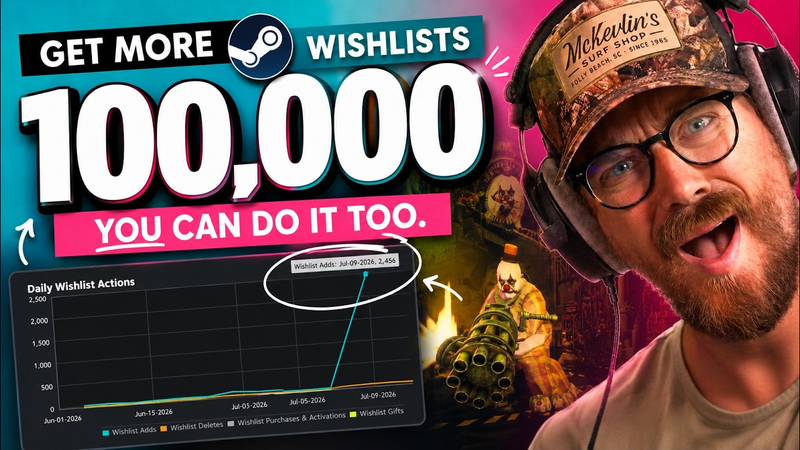
Key findings indicate that indie game visibility is inherently slow, functioning more like an ion thruster than a rapid-launch vehicle. Data from successful titles, such as Coal LLC and Dome Keeper, demonstrate that wishlist velocity increases over time through consistent, incremental exposure. Content creators often play high-quality games multiple times, and early coverage frequently acts as a catalyst for a "cascade" effect, where one influencer’s interest encourages others to cover the title. Furthermore, YouTube’s algorithm distributes views over weeks or months, meaning early demos allow for maximum visibility potential.
The analysis emphasizes that content creators are primarily drivers of wishlists rather than immediate sales. These wishlists function as a rechargeable battery of interest that is discharged during the final launch phase. Because developers lack control over when influencers choose to cover a game, they must treat outreach as a continuous fishing effort rather than a timed marketing campaign. The methodology relies on qualitative case studies of indie titles, developer testimonials, and performance metrics from Steam and YouTube to illustrate that the risk of "using up" a game's potential is negligible compared to the cost of remaining in obscurity. Ultimately, the recommendation is to err on the side of early release and persistent outreach, as the market is too saturated for developers to rely on a single, perfectly timed reveal.
The games and companies this document names on the inner ring, other documents about them on the outer one. Select a cover to see it up close and open it in a new tab; drag to move, pinch or Ctrl + scroll to zoom.
How To Market A Game · 2026
How To Market A Game · 2026
How To Market A Game · 2026
How To Market A Game · 2026
How To Market A Game · 2026
How To Market A Game · 2026
How To Market A Game · 2026
How To Market A Game · 2026
How To Market A Game · 2026
How To Market A Game · 2026
How To Market A Game · 2026
How To Market A Game · 2026