
University of Cambridge
The University of Cambridge is a university that publishes reports, such as technical reports on anti-bullying programs.
Documents
First Contact with Dark Patterns and Deceptive Designs in Chinese and Japanese Free-to-Play Mobile Games
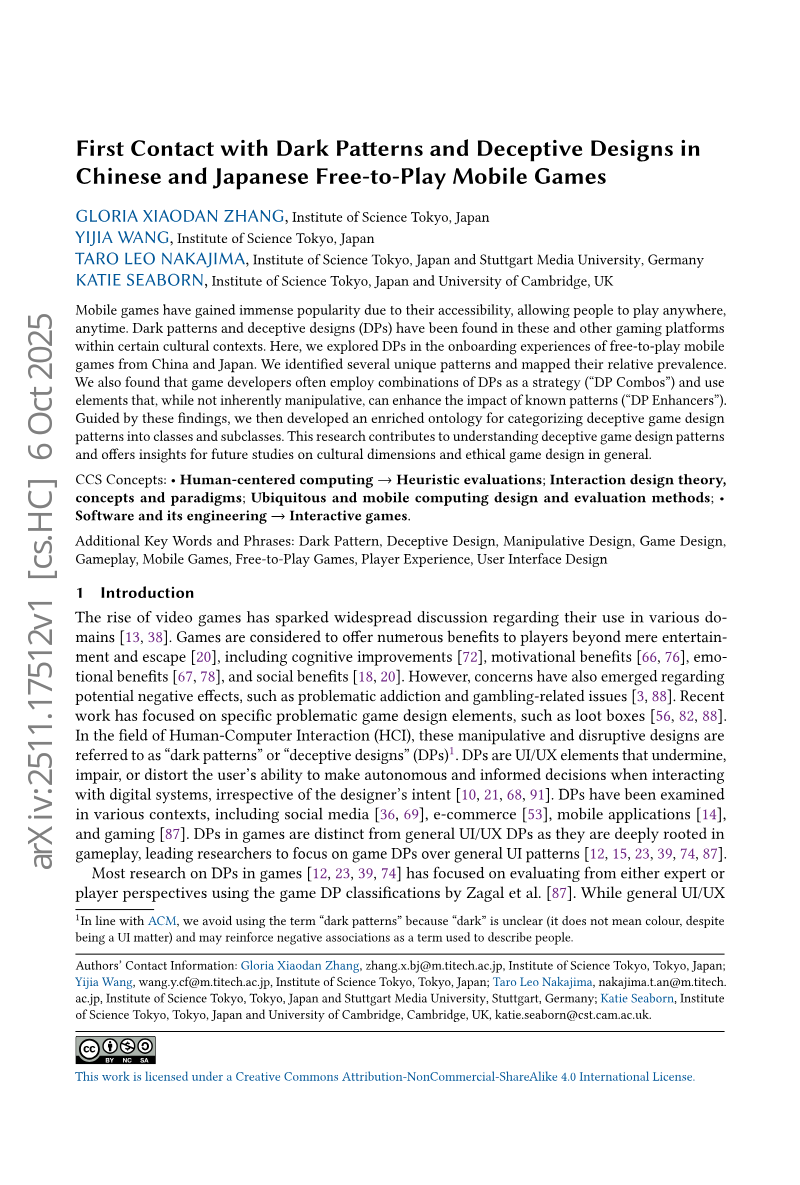
Free-to-play mobile games in China and Japan frequently employ sophisticated deceptive design strategies, commonly referred to as dark patterns, to manipulate player behavior during the critical onboarding phase.
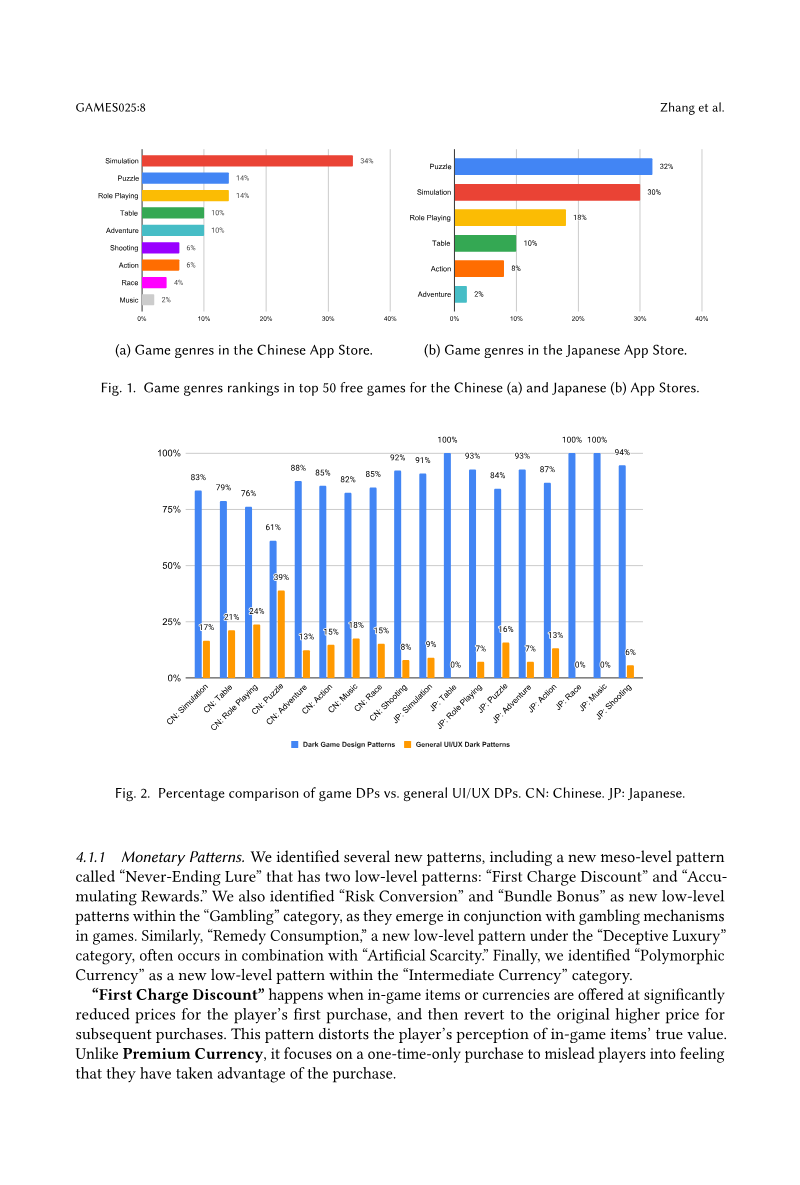
- Top-ranked free-to-play mobile games in China and Japan utilize an average of over 21 distinct dark patterns per title to manipulate player behavior during onboarding.
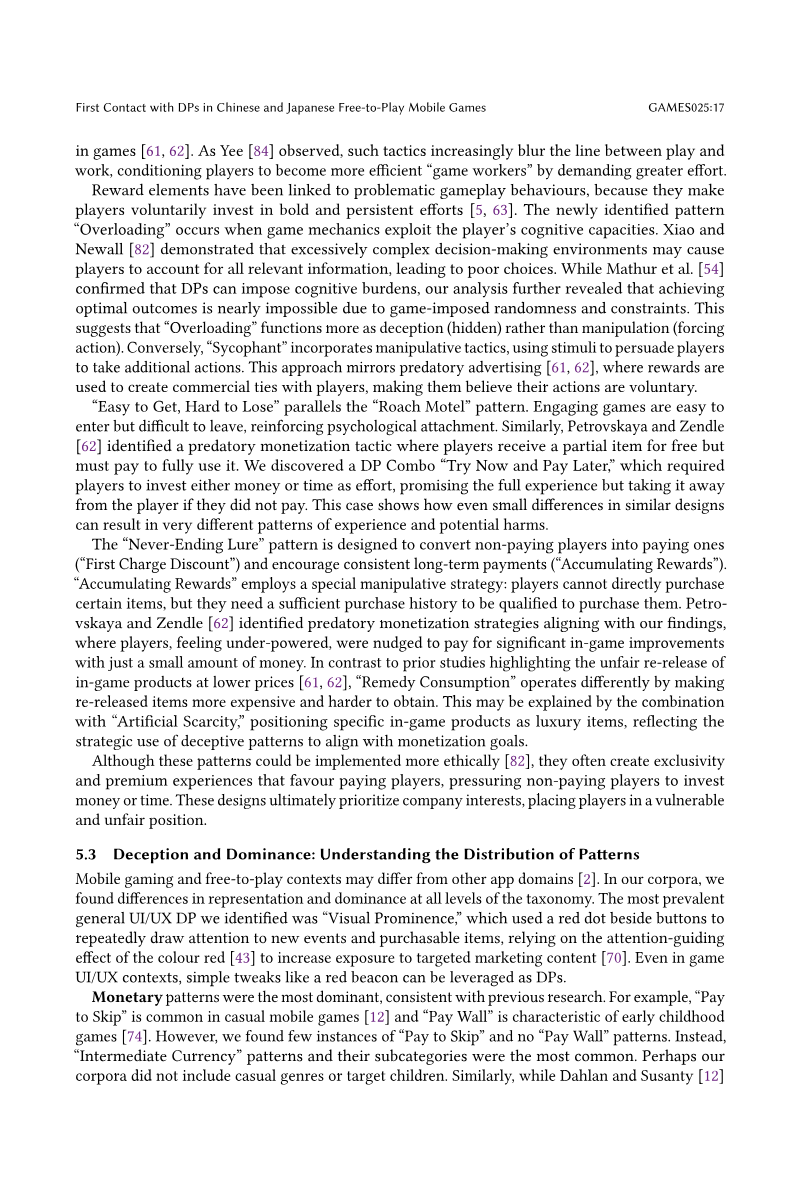
- Developers frequently employ 'DP Combos' and 'DP Enhancers,' layering multiple manipulative elements with aesthetic choices like 'kawaii' designs to amplify psychological triggers.
- Chinese mobile games prioritize aggressive, persistent monetization lures and complex battle pass structures, while Japanese titles focus on fear-of-missing-out (FOMO) tactics and the exploitation of endowed value.
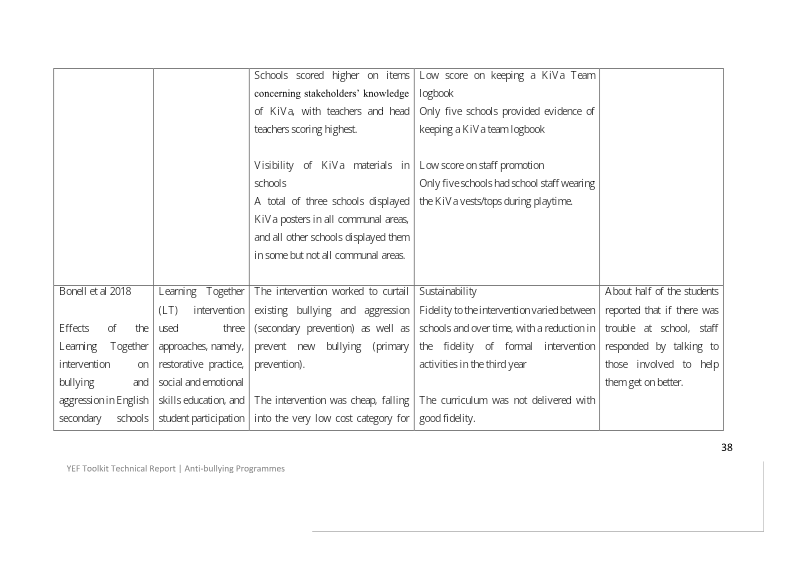
Anti-bullying Programmes: Toolkit Technical Report
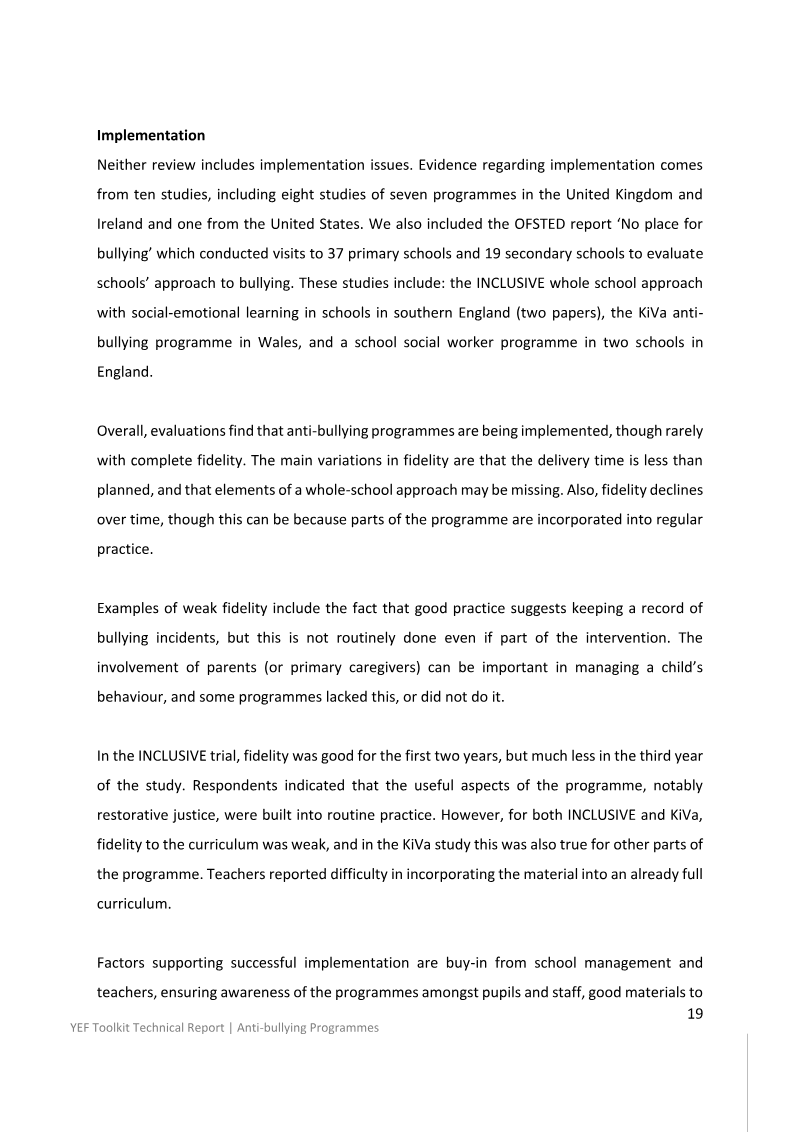
School-based anti-bullying initiatives serve as a critical mechanism for reducing peer victimization, yielding an average 19% reduction in bullying perpetration.
Fused Spectatorship: Designing Bodily Experiences Where Spectators Become Players
Fused Spectatorship redefines the traditional boundaries of digital gaming by utilizing Electrical Muscle Stimulation (EMS) to transform the spectator’s body into an active output medium.
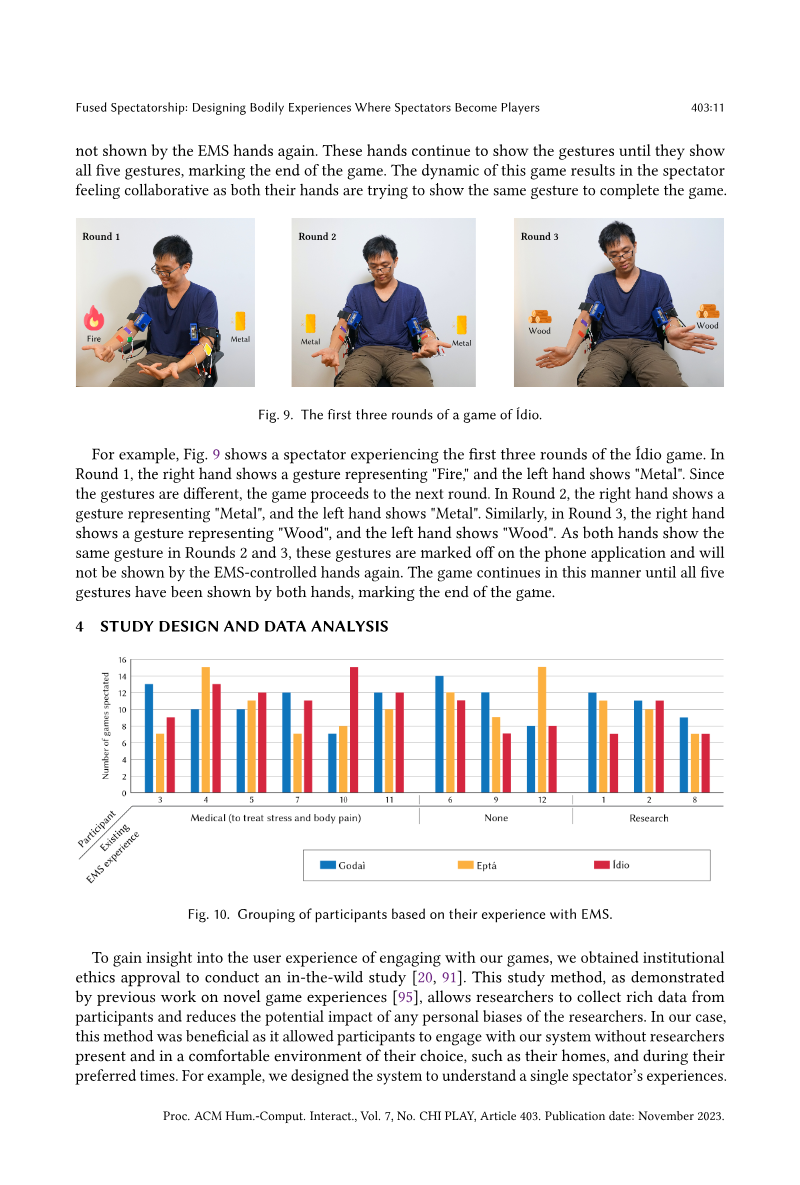
- Fused Spectatorship uses Electrical Muscle Stimulation (EMS) to actuate involuntary motor movements, allowing spectators to physically participate in digital games rather than merely observing them.
- Research involving 12 participants across three game environments confirms that bodily engagement is a primary driver for immersive play, often causing users to struggle to distinguish between watching their hands move and actively playing.
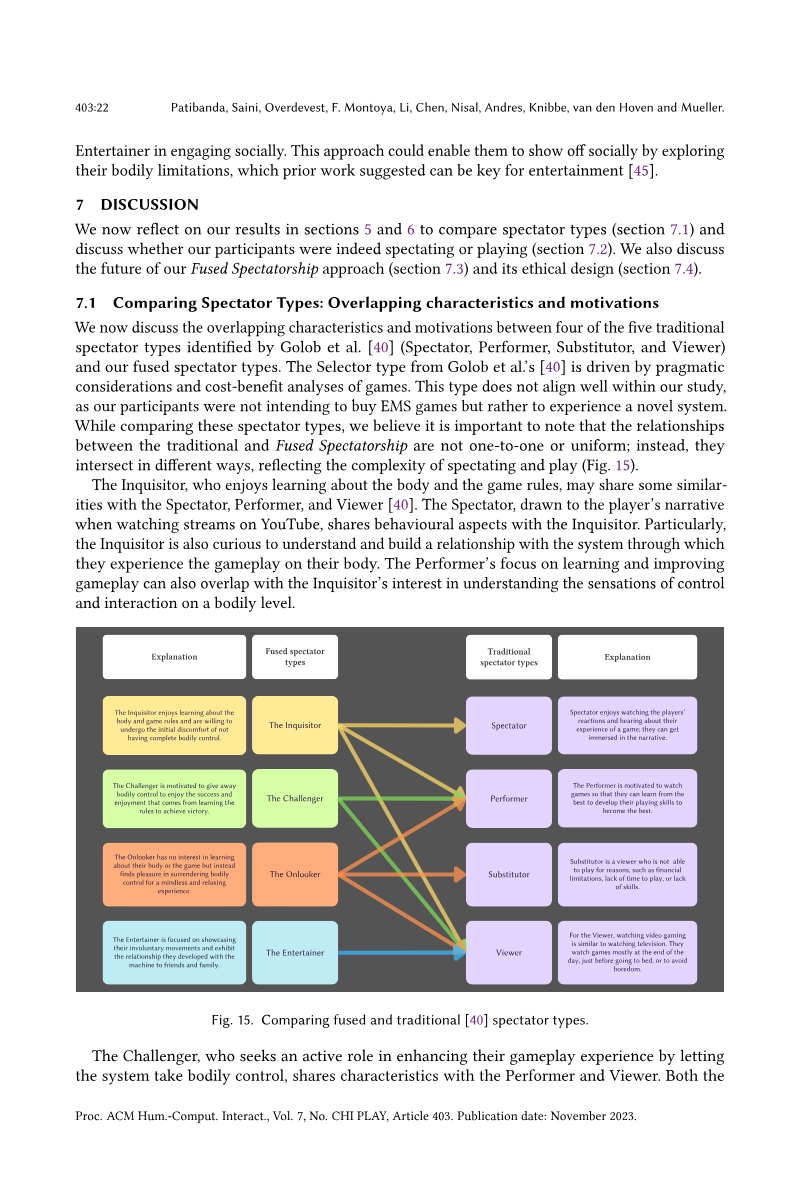
- The study identifies four distinct spectator archetypes—the Inquisitor, the Challenger, the Onlooker, and the Entertainer—each requiring different levels of bodily control and awareness.
Do you work at University of Cambridge? Get a free report of how these documents are read and cited here.