The gaming media landscape experienced a significant leadership shift in August 2023 with the termination of the editor-in-chief at Kotaku. This development highlights ongoing volatility within digital gaming journalism, reflecting broader trends of instability and organizational restructuring across specialized media outlets. The event serves as a focal point for discussions regarding the future of editorial direction and corporate management within the gaming press.
Beyond the immediate personnel change, the broader industry context involves the emergence of new, independent media models, such as the development of a gaming-focused entity modeled after the employee-owned publication Defector. These shifts suggest a growing desire among industry journalists to move away from traditional corporate structures toward more autonomous, sustainable business frameworks. The discourse surrounding these changes emphasizes the challenges of maintaining editorial integrity and financial viability in an increasingly uncertain economic climate for digital media.
Additional industry activity during this period includes strategic communication efforts from major hardware manufacturers, such as Xbox, which continue to engage in public discourse regarding their long-term corporate strategies and future product roadmaps. These developments, alongside critical reception of experimental titles like the video game musical Stray Gods, underscore a diverse and rapidly evolving gaming ecosystem. The combination of editorial turnover, the pursuit of alternative business models, and high-level corporate messaging illustrates a period of transition for both the creators and the observers of the global video game industry.
The growth of independent gaming journalism newsletters relies heavily on strategic timing and the capitalization of high-visibility industry events. By leveraging personal professional transitions and aligning content distribution with broader media narratives, creators can effectively transition from traditional institutional roles to independent platforms. The primary thesis posits that audience acquisition is most successful when creators anchor their launch or growth phases to viral moments or significant industry developments that already command public attention.
The methodology for this growth strategy centers on proactive narrative control. Following a high-profile layoff from a major media outlet in early 2023, the author utilized social media to redirect an existing professional audience toward a new independent newsletter. This approach emphasizes the importance of visibility, noting that engagement from established journalists and influencers with significant digital footprints acts as a catalyst for rapid subscriber acquisition. By converting a moment of professional instability into a platform for independent reporting, the author successfully secured an initial base of several hundred subscribers within a single day.
Beyond initial acquisition, the long-term sustainability of such newsletters depends on providing exclusive, high-value content that justifies paid subscription tiers. The industry segment covered is primarily gaming journalism, with a focus on investigative reporting and profiles of key industry figures. By attending industry conferences and conducting on-the-ground reporting, creators can offer unique insights that differentiate their work from general news coverage. This model demonstrates that independent success in the gaming sector is driven by a combination of personal branding, strategic timing during industry shifts, and the consistent delivery of specialized, insider-level reporting.
This newsletter issue serves as a personal reflection on the intersection of marketing, journalism, and the gaming industry. The author posits that marketing is an omnipresent force shaping modern culture and corporate strategy, arguing that a background in marketing provides a critical lens for decoding contemporary media trends, including the rebranding of Twitter to X and the integration of beauty brands into gaming spaces.
The content highlights the evolving nature of immersive entertainment, drawing parallels between the narrative structures of video games and immersive theatrical experiences like the recent production of The Great Gatsby. Additionally, the author discusses the challenges faced by independent game developers, specifically referencing the development of the life simulator Cart Life. The narrative emphasizes the tension between artistic integrity and the commercial pressures of the gaming industry, noting that creators often struggle with the perceived frivolity of their work versus the desire to produce meaningful art.
The newsletter also serves as a business update, announcing a shift in the publication’s pricing model to a flat $5 monthly subscription fee. This change is intended to align the newsletter with broader gaming subscription trends while maintaining a high-quality, deliberate publishing schedule. The author maintains a professional, analytical tone, grounding industry observations in personal experience and broader cultural commentary. The scope of the analysis is primarily focused on the North American digital media and gaming landscape as of August 2023, utilizing a mix of anecdotal reporting, industry observation, and expert commentary to contextualize the current state of the gaming and social media sectors.
In July 2023, a federal judge in San Francisco ruled in favor of Microsoft, denying the U.S. Federal Trade Commission’s request for a preliminary injunction to block the company’s $69 billion acquisition of Activision Blizzard. The court concluded that the FTC failed to provide sufficient evidence that the merger would substantially harm competition in the gaming console, subscription, or cloud gaming markets. Specifically, the judge found no proof that Microsoft intended to make the Call of Duty franchise exclusive to Xbox, noting that Microsoft had made public and legal commitments to keep the title on PlayStation for ten years.
The ruling relied on an extensive evidentiary record, including nearly three million documents produced by the parties, which contained no internal communications contradicting Microsoft’s stated intent to maintain multi-platform availability for its key titles. The court also dismissed concerns regarding the potential for anticompetitive behavior in cloud gaming, citing Microsoft’s existing agreements to bring Activision content to competing platforms like Nvidia’s GeForce Now. Furthermore, the judge characterized the console market as shrinking rather than growing, suggesting that the acquisition was unlikely to result in the monopolistic outcomes feared by regulators.
While the FTC signaled its intent to pursue further legal steps to protect consumer interests, the decision marked a significant victory for Microsoft. The ruling also prompted the United Kingdom’s Competition and Markets Authority to pause its own legal challenge to discuss potential restructuring of the deal. This outcome highlights the challenges regulators face in proving anticompetitive intent in the modern gaming landscape, particularly when companies provide clear, enforceable commitments regarding platform parity and content distribution.
The legal proceedings between the Federal Trade Commission and Microsoft represent a pivotal moment in the gaming industry, centering on the proposed $69 billion acquisition of Activision Blizzard. This antitrust litigation serves as a critical test for regulatory oversight of massive technology mergers, drawing significant attention from industry stakeholders, academics, and consumers concerned about the future of market competition.
The core of the dispute revolves around the potential for anticompetitive behavior, specifically regarding the future availability of major gaming franchises like Call of Duty. The proceedings examine whether Microsoft would restrict access to these titles to favor its own Xbox platform, thereby undermining competitors such as Sony’s PlayStation. The case highlights the broader tension between corporate expansion strategies and the preservation of a balanced, multi-platform gaming ecosystem.
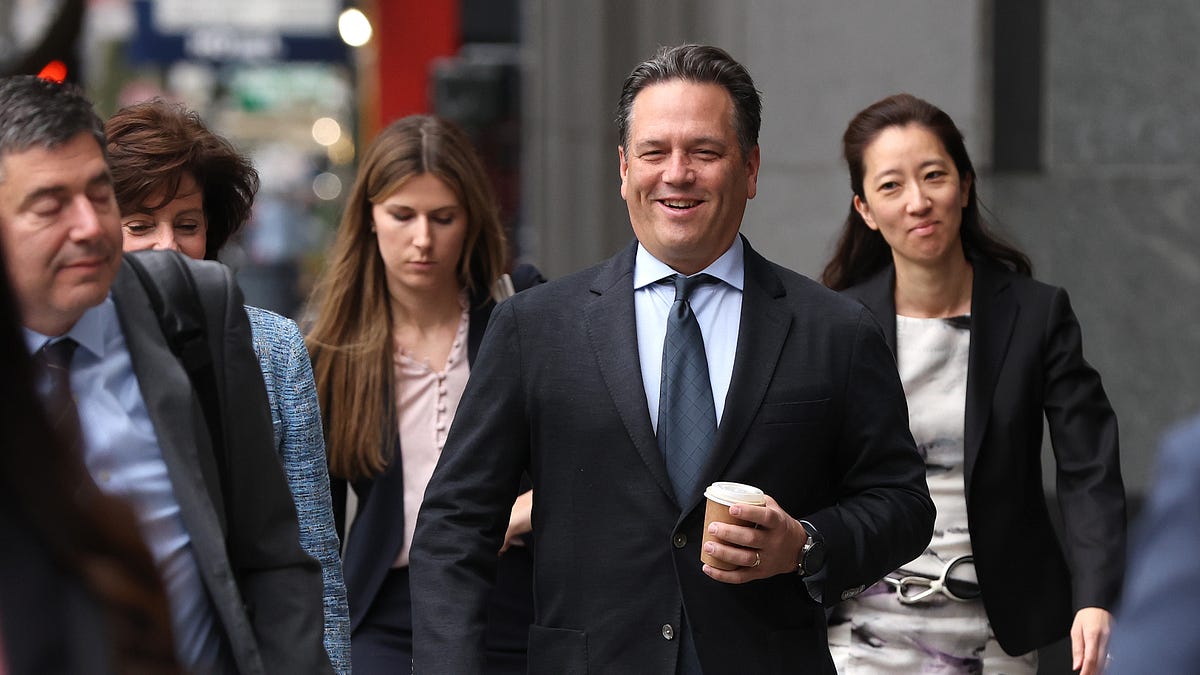
Taking place in a San Francisco courtroom during the summer of 2023, the litigation involves high-level testimony from industry leadership, including Xbox head Phil Spencer. The outcome of these proceedings carries significant implications for the global gaming landscape, potentially setting a precedent for how future large-scale acquisitions are evaluated by antitrust authorities. By scrutinizing the strategic motivations behind the merger, the court aims to determine if the deal would result in irreparable harm to consumer choice and market fairness.
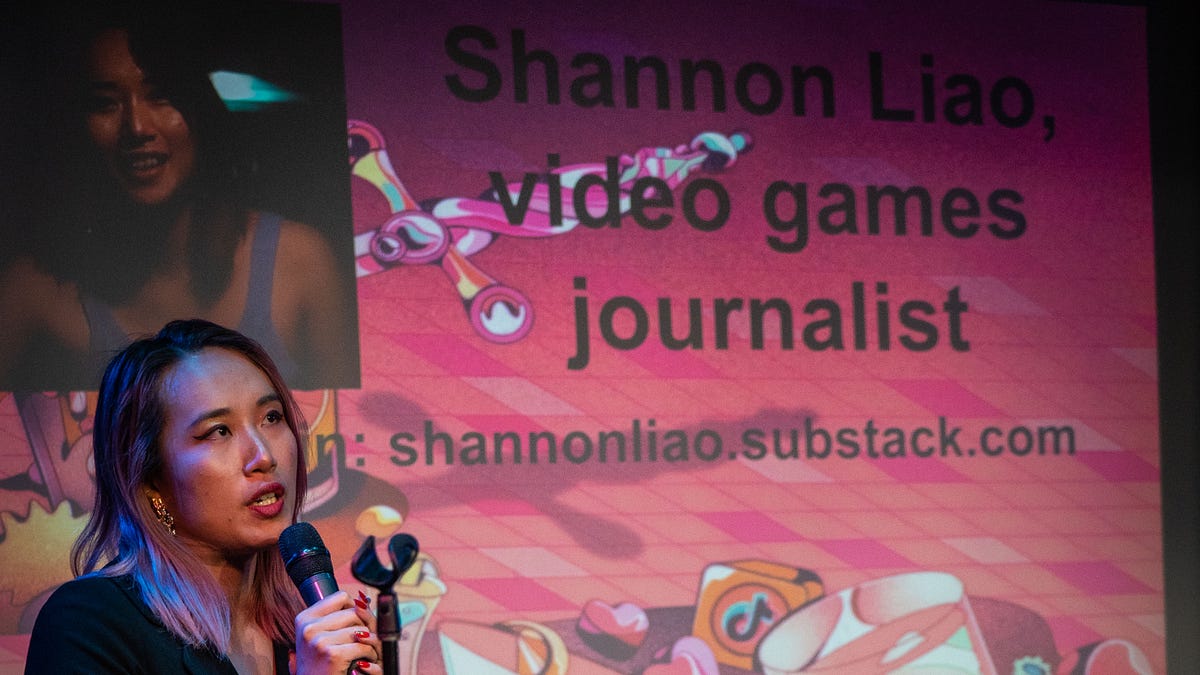
This directory serves as a centralized repository for the freelance journalism portfolio of Shannon Liao, a reporter specializing in the video game industry. Published in June 2023, the list functions as a professional update for readers and industry peers, documenting her work following her departure from The Washington Post in March 2023. The collection highlights her ongoing contributions to major media outlets, including The Verge, The New York Times, Popular Science, IGN, and Vulture.
The portfolio covers a diverse range of industry topics, with a particular focus on the intersection of technology and gaming. Key themes include the impact of artificial intelligence on game development and labor, the business implications of major corporate acquisitions and legal proceedings—such as the FTC’s scrutiny of Microsoft—and cultural analysis of gaming trends. Beyond written journalism, the document notes her involvement in public speaking engagements and media appearances across major U.S. hubs, including San Francisco, Los Angeles, and New York.
The author utilizes this platform to maintain transparency regarding her current professional output while encouraging financial support through subscription models. By providing a curated index of her recent articles and future projects, such as an upcoming podcast with Scientific American, the summary illustrates the transition of an established journalist into an independent, multi-platform contributor. The scope of the work remains focused on the North American gaming sector, reflecting a career trajectory centered on investigative reporting and industry analysis.
This analysis covers the mid-2023 landscape of the video game industry, centered on the high-stakes antitrust litigation regarding Microsoft’s proposed $70 billion acquisition of Activision Blizzard. The proceedings, held in San Francisco, serve as a critical window into the internal operations of major technology and gaming corporations. Key industry figures, including executives from Xbox and Bethesda, were slated to testify alongside representatives from the Federal Trade Commission to determine the future of this significant market consolidation.
Beyond the legal developments, the industry experienced notable shifts following the Summer Game Fest. Creative leaders, such as Remedy Entertainment’s Sam Lake, provided insights into the development of major titles like Alan Wake 2, highlighting the evolution of storytelling and the challenges of managing long-term creative projects. Additionally, the industry saw ongoing product developments, such as Nintendo’s return to the Princess Peach franchise, and public discourse regarding platform accessibility, exemplified by high-profile commentary on the lack of Diablo IV support for Macbooks.
The reporting reflects a broader trend of industry volatility and transition, as traditional trade shows like E3 are replaced by newer event formats. The analysis emphasizes that while industry events and corporate maneuvers remain central to the business, the primary focus for the average consumer remains on content releases and trailer announcements. The findings underscore a period of intense scrutiny for major gaming entities, as they navigate regulatory hurdles, evolving creative standards, and the shifting expectations of a global gaming audience.
The provided text serves as a personal reflection on the professional challenges inherent in the journalism industry, specifically regarding the pursuit of high-profile assignments in video game coverage. The narrative highlights the volatility of the modern job market, detailing the author’s experience with a rescinded job offer following a five-month search, which underscores the instability often faced by professionals in competitive media sectors.
Beyond the personal account of career navigation, the content touches upon the broader landscape of game industry reporting. It references the author’s recent contributions to major publications, such as The New York Times, and notes the ongoing industry events like Summer Game Fest, which serve as critical touchpoints for news and development updates. The text also contrasts the author’s career path in journalism with the more traditional corporate trajectories of peers, reflecting on the public perception and personal significance of achieving professional milestones in a niche field.
The scope of this commentary is centered on the author’s individual experience within the United States media landscape during mid-2023. By framing the narrative around the behind-the-scenes realities of reporting, the text provides insight into the persistence required to sustain a career in specialized arts and culture journalism. It serves as both a professional update for the author’s readership and a candid look at the precarious nature of employment within the intersection of technology and media.
The United Kingdom’s Competition and Markets Authority (CMA) blocked Microsoft’s proposed $70 billion acquisition of Activision Blizzard in April 2023, citing significant concerns regarding the future of the cloud gaming market. The regulator concluded that the merger would stifle innovation and reduce consumer choice by allowing Microsoft to potentially restrict access to popular titles like Call of Duty, Overwatch, and World of Warcraft to its own cloud gaming services. Despite Microsoft’s efforts to secure the deal through ten-year licensing agreements with competitors like Nintendo and Steam, the CMA deemed the impact of these concessions highly uncertain and insufficient to mitigate the risks of market dominance.
The decision highlights a fundamental disagreement between the regulator and the merging parties regarding the current state and future trajectory of cloud gaming. While Microsoft argued that cloud gaming remains a nascent and unproven technology, the CMA prioritized the potential for long-term market distortion, particularly given Microsoft’s existing infrastructure advantages through Windows and Azure. The ruling caused an immediate market reaction, with Activision Blizzard’s stock price falling significantly as analysts questioned the viability of the deal.
Microsoft expressed strong disagreement with the decision, characterizing it as a flawed understanding of the gaming industry, and announced plans to appeal the ruling. The outcome of this regulatory action serves as a critical pivot point for the broader gaming industry, with ongoing scrutiny from the European Union and the United States Federal Trade Commission further complicating the merger's path. The case underscores the increasing regulatory focus on cloud-based platforms and the potential for large-scale tech acquisitions to face intense resistance based on their impact on emerging digital markets.
The newly formed game studio, The Believer Company, has secured $55 million in funding to develop an ambitious open-world title described as a cooperative, multiplayer experience similar to The Legend of Zelda: Breath of the Wild or Skyrim. Founded by former Riot Games executives, including Michael Chow and Steven Snow, the studio aims to bridge the gap between narrative-driven single-player games and session-based multiplayer titles. The project seeks to offer an optimistic, high-fantasy world that supports two to 12 players in a private-server-style environment.
The studio’s leadership team comprises industry veterans from companies such as Riot Games, Bungie, EA, and Twitter. A significant portion of the $55 million capital, provided by investors including Riot and Andreessen Horowitz, is earmarked for talent acquisition, technology development, and the integration of generative AI to streamline production. The team anticipates a three-to-five-year development cycle and intends to build a broader multimedia franchise around the game, including plans for an animated television series.
This venture reflects a broader industry trend where experienced developers from major studios depart to form independent companies, often leveraging their reputations to attract significant venture capital. While the studio’s leadership emphasizes their experience in high-level game design and world-building, industry analysts note that the project remains in the early stages of development. The studio’s success will depend on its ability to manage the high costs and complex operational requirements associated with maintaining a long-term, live-service open-world game.
This analysis examines the wave of layoffs across the technology, media, and gaming sectors in early 2023, contextualizing these workforce reductions within broader macroeconomic trends. The primary thesis posits that while companies often cite economic headwinds and the threat of recession as justifications for layoffs, these actions are frequently driven by a desire to maintain profitability for investors and a tendency for corporate leadership to mimic industry-wide trends rather than respond to immediate insolvency.
Key findings indicate that the gaming and tech industries remain particularly volatile due to their heavy reliance on consumer disposable income. Experts note that while the Federal Reserve’s efforts to curb inflation through interest rate hikes may stabilize the economy, they simultaneously risk suppressing demand and increasing unemployment. Despite significant job losses at major firms like Microsoft, Google, and Electronic Arts, the broader United States labor market has remained relatively resilient, with an unemployment rate of 3.5% as of early 2023. Furthermore, while increased unemployment might theoretically lead to higher engagement in gaming, analysts suggest this is unlikely to translate into significant revenue growth, as consumers shift toward more affordable entertainment options.
The scope of this analysis covers the United States tech and media landscape during the first quarter of 2023. The methodology relies on expert commentary from academic and economic sources, including faculty from the NYU Stern School of Business and Yale University, alongside personal accounts from industry professionals. The narrative emphasizes the human impact of these cycles, highlighting the lack of long-term stability for workers in the media sector and the circular nature of employment challenges within the industry.
Activision Blizzard recently faced significant internal backlash following a series of meetings regarding a mandatory return-to-office policy. Employees described the tone of these sessions as hostile and passive-aggressive, fueling widespread dissatisfaction among the company’s workforce. The policy requires staff to work from the office at least three days per week, with staggered implementation dates beginning in April 2023 for Activision and July 2023 for Blizzard.
The tension was compounded by the announcement that employees would receive only a fraction of their expected profit-sharing bonuses for 2022. Leadership attributed the reduced payouts to lower year-over-year operating profit performance, while simultaneously defending the return-to-office mandate as a necessary step to foster camaraderie, innovation, and productivity. Despite management’s assertion that in-person collaboration is essential for business success, many employees expressed frustration, arguing that the policy ignores the productivity gains achieved during two years of remote work and threatens to drive talent toward more flexible competitors.
The company, which employs approximately 9,800 people across various U.S. locations, stated that limited exceptions to the policy would be considered for specific roles or health-related needs. However, staff reported that requests for permanent remote work have faced significant delays. This internal friction occurs against the backdrop of broader industry scrutiny, including ongoing antitrust reviews regarding the company’s proposed merger with Microsoft and a shifting landscape of labor relations within the gaming sector.