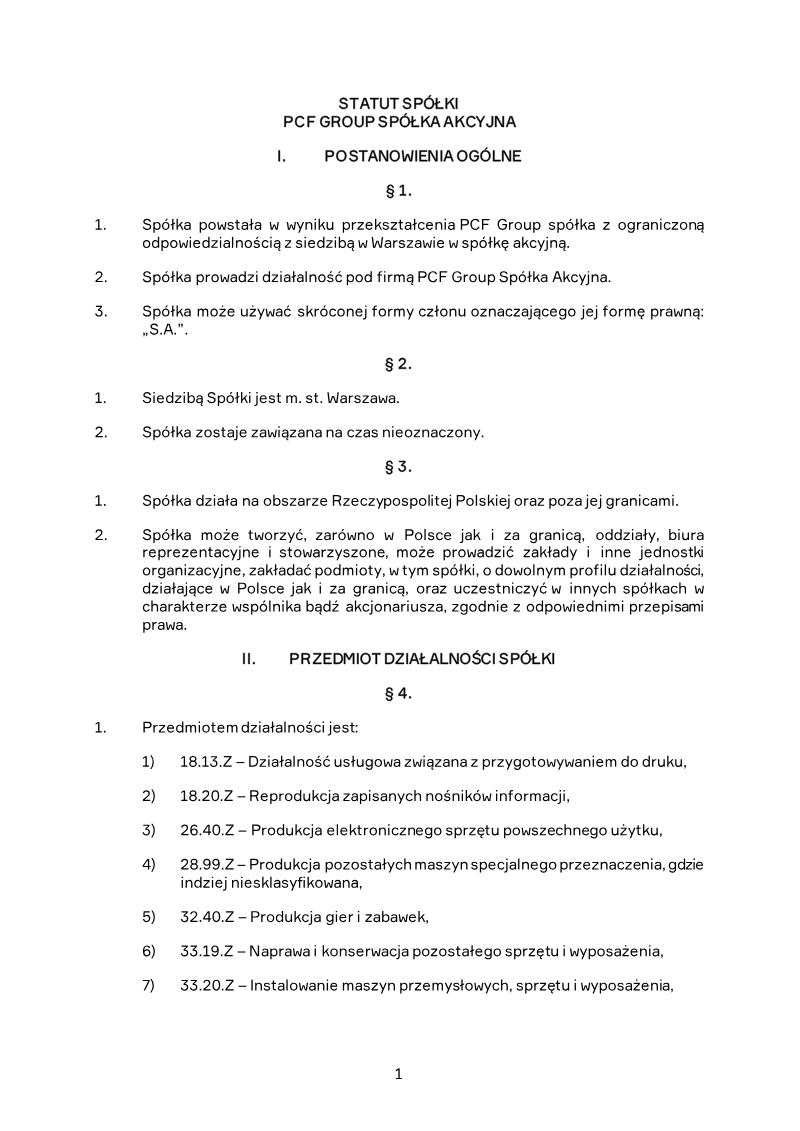
PCF Group S.A., a Warsaw-based joint-stock company, operates indefinitely within the global video game industry, focusing primarily on software development and game publishing. The corporate structure is built upon a share capital of 601,726.60 PLN, divided into more than 30 million ordinary shares with a nominal value of 0.02 PLN each. Provisions for capital expansion are integrated into the governance framework, including a conditional capital increase for subscription warrants and a target capital authorization that allows the Management Board to increase share capital by nearly 30,000 PLN to support strategic growth.
Governance is defined by a tiered system involving a General Meeting, a Supervisory Board, and a Management Board, with specific mechanisms designed to protect the influence of major stakeholders. A primary shareholder, designated as Shareholder SW, maintains the personal right to appoint the Chief Executive Officer provided they retain a 25% voting stake. Furthermore, a specific group of authorized shareholders holds the power to appoint the majority of the Supervisory Board and its Chairperson, contingent upon maintaining a 40% voting threshold. The governance model also mandates the inclusion of at least two independent board members and a dedicated Audit Committee to oversee financial reporting and auditor independence.
The operational framework includes rigorous controls over share liquidity and competitive behavior. Before public listing, share transfers and encumbrances are subject to strict pre-emptive rights and board approval. Strategic exit strategies are facilitated through drag-along rights, which empower the majority shareholder to compel minority shareholders to sell their stakes during a total company acquisition, unless those minority holders exercise a right of first refusal to purchase the majority stake themselves. Financial flexibility is maintained through provisions allowing for interim dividends, while non-compete clauses ensure that leadership remains focused on the company’s core interests during its pre-public phase.
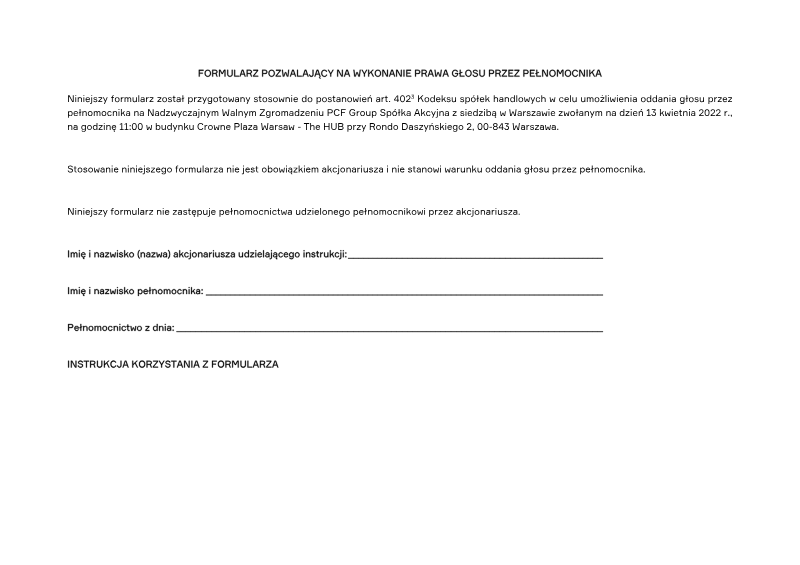
PCF Group · 2026
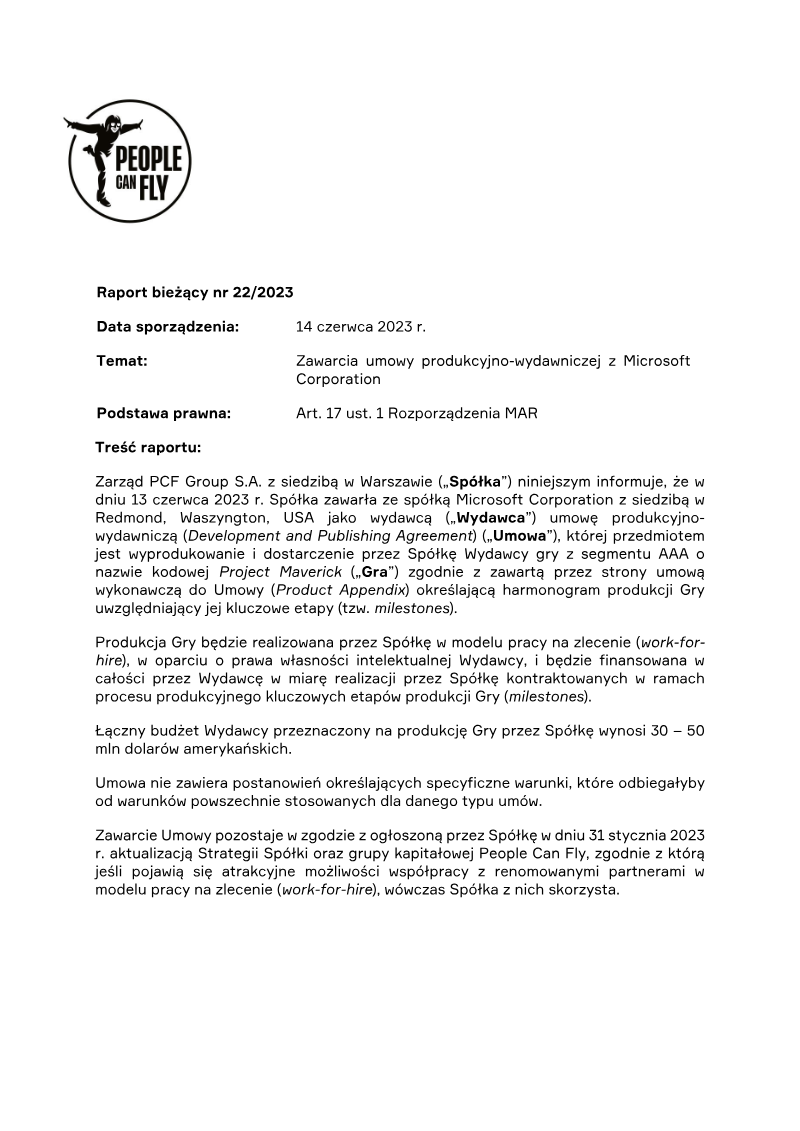
PCF Group · 2026
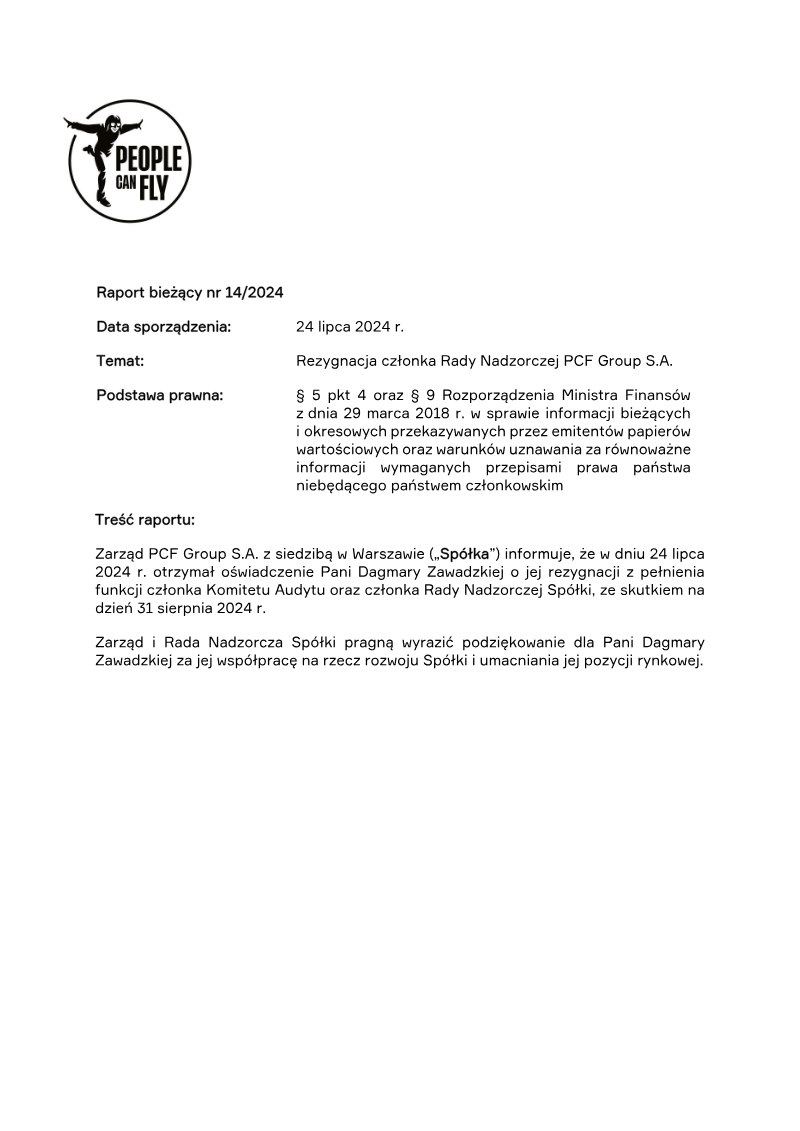
PCF Group · 2026
PCF Group · 2026
PCF Group · 2025
PCF Group · 2025
PCF Group · 2025
PCF Group · 2025
PCF Group · 2025
PCF Group · 2025
PCF Group · 2025
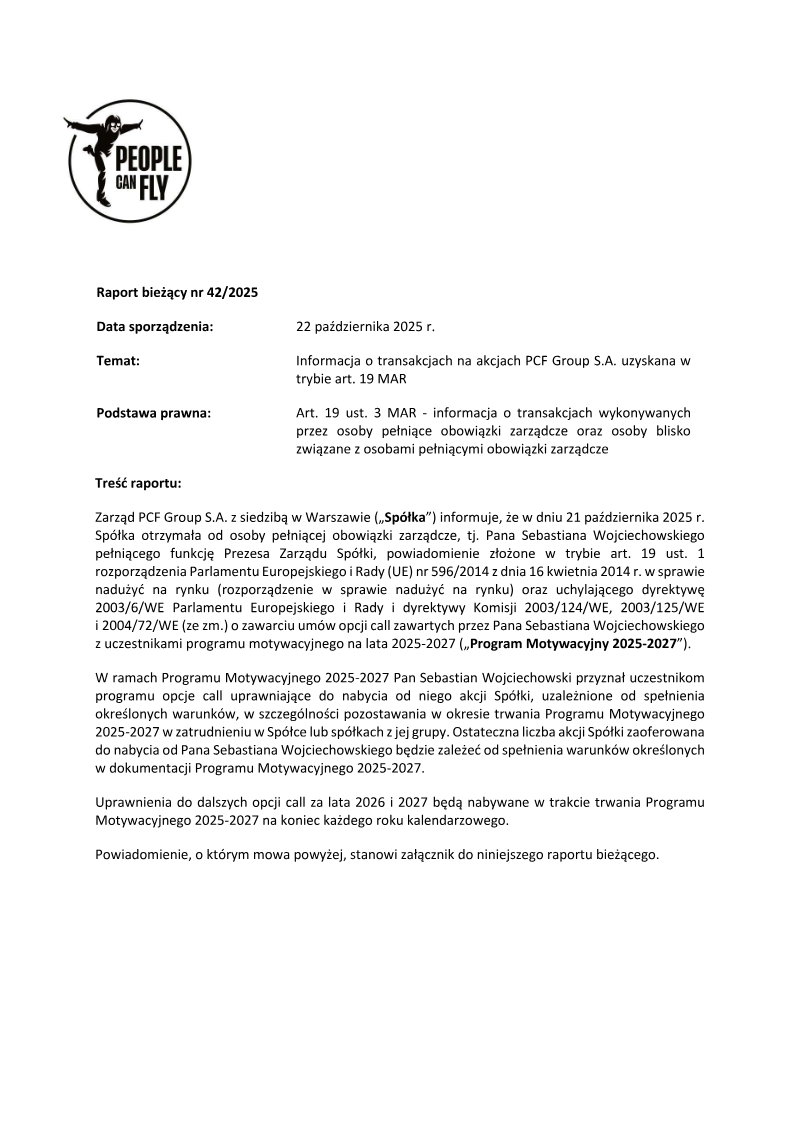
PCF Group · 2025
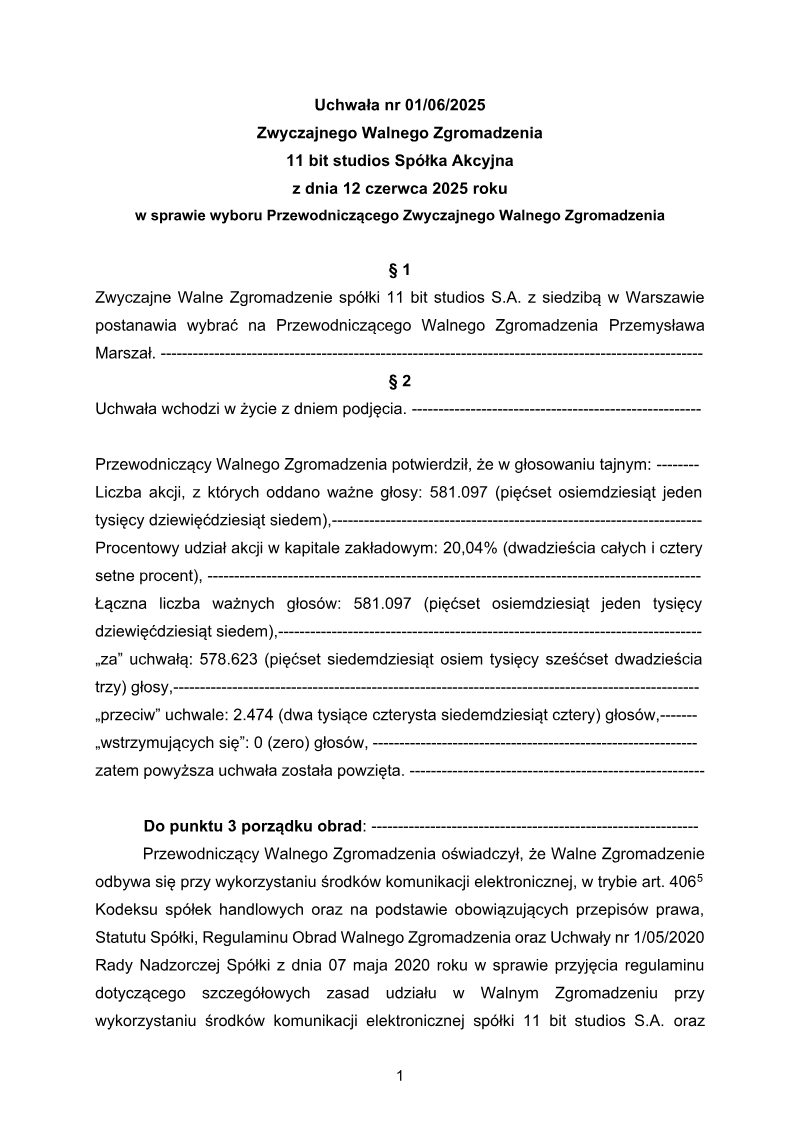
11 bit studios · 2025
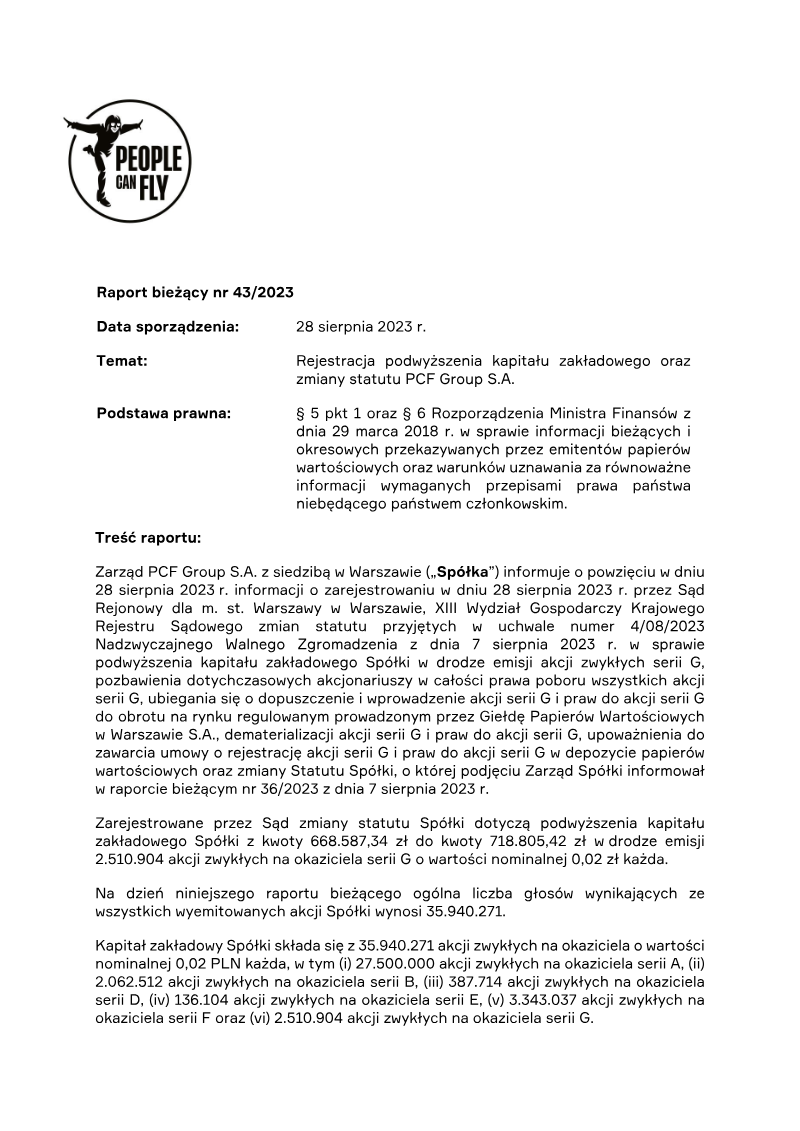
PCF Group · 2023
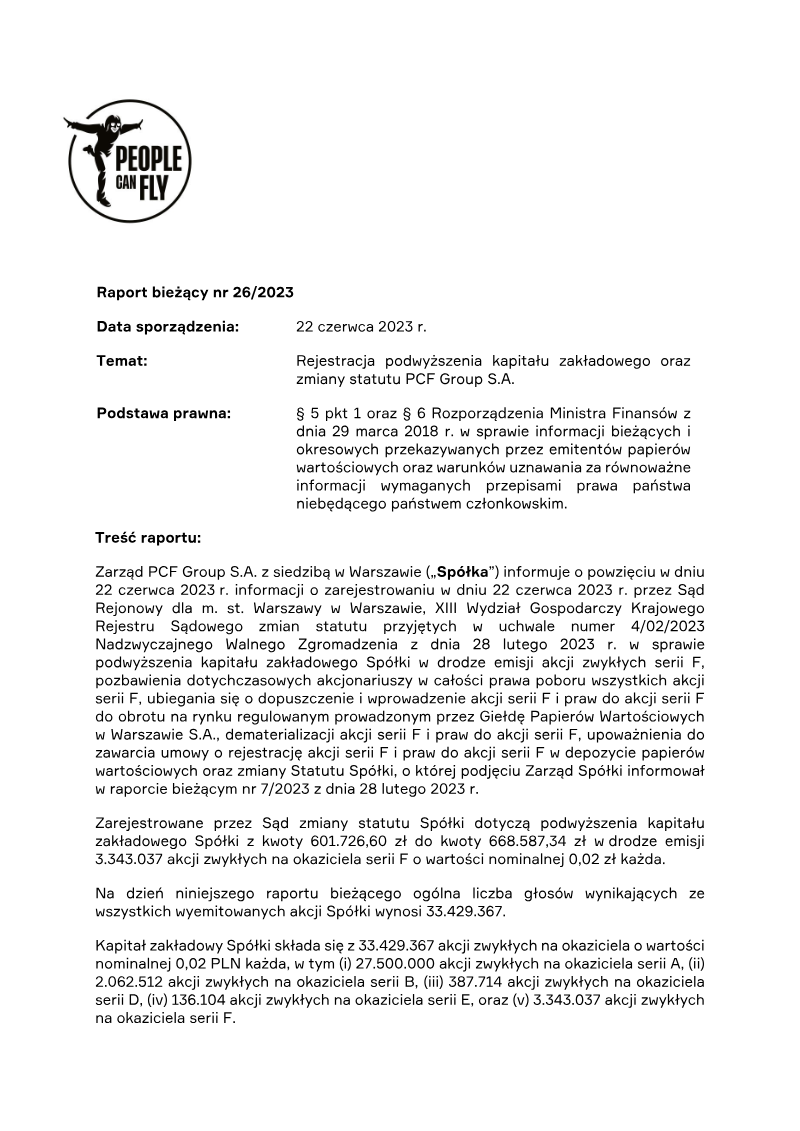
PCF Group · 2023
PCF Group · 2023
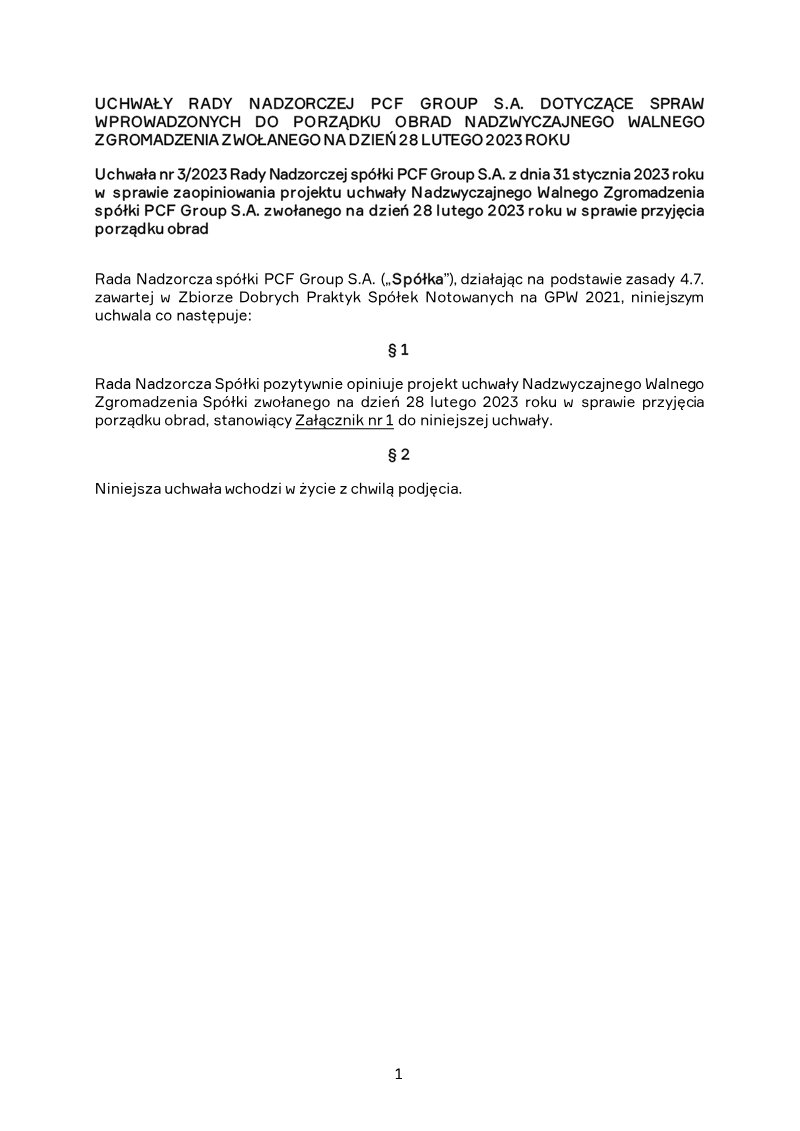
PCF Group · 2023
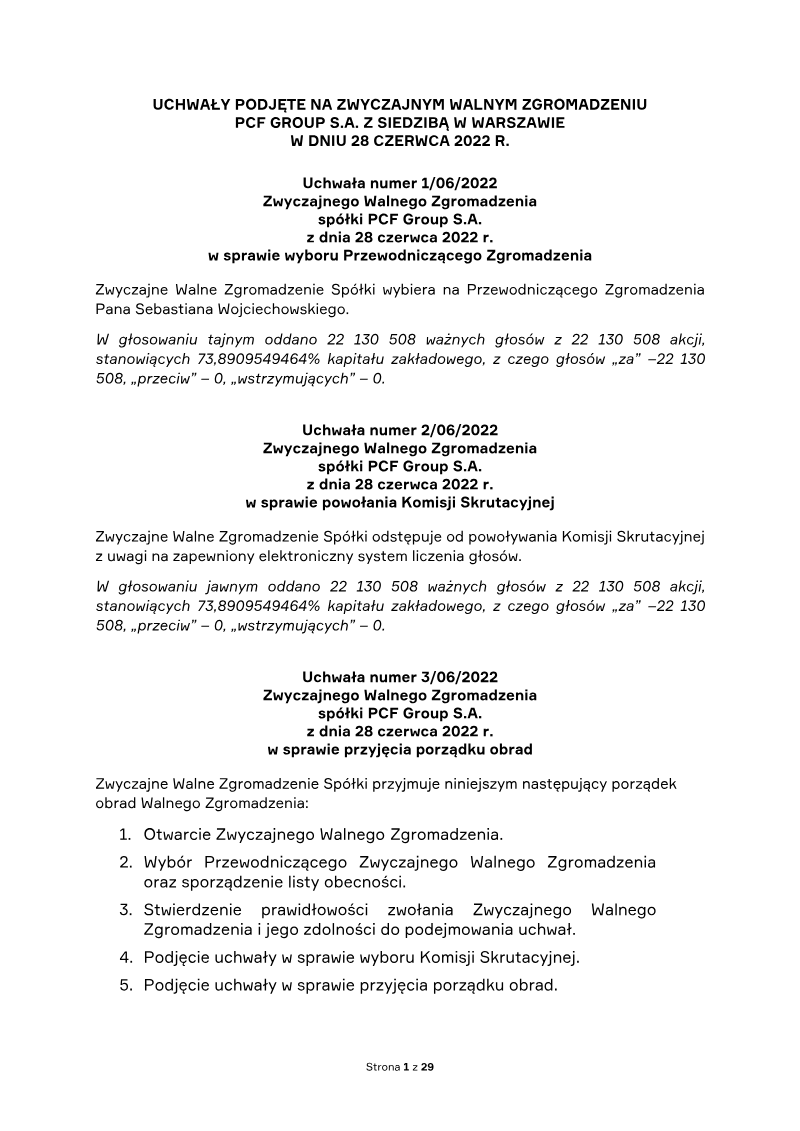
PCF Group · 2022
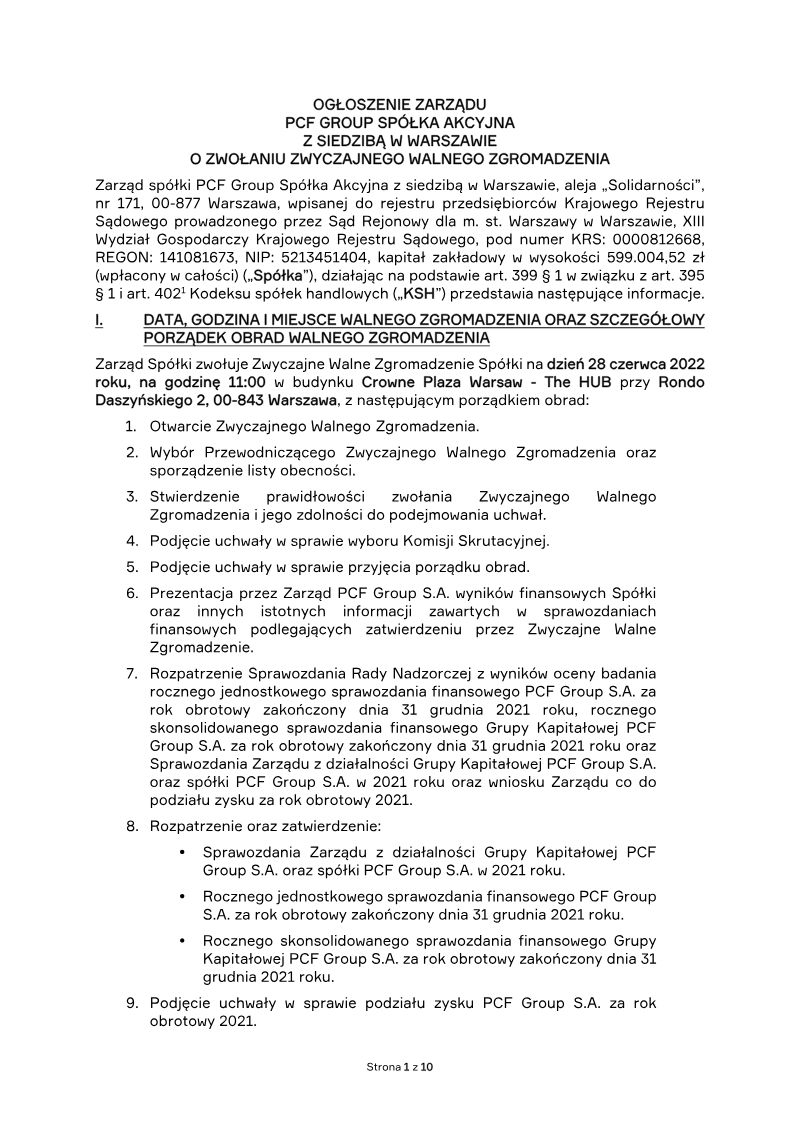
PCF Group · 2022
PCF Group · 2022
PCF Group · 2022
11 bit studios · 2022
PCF Group · 2021
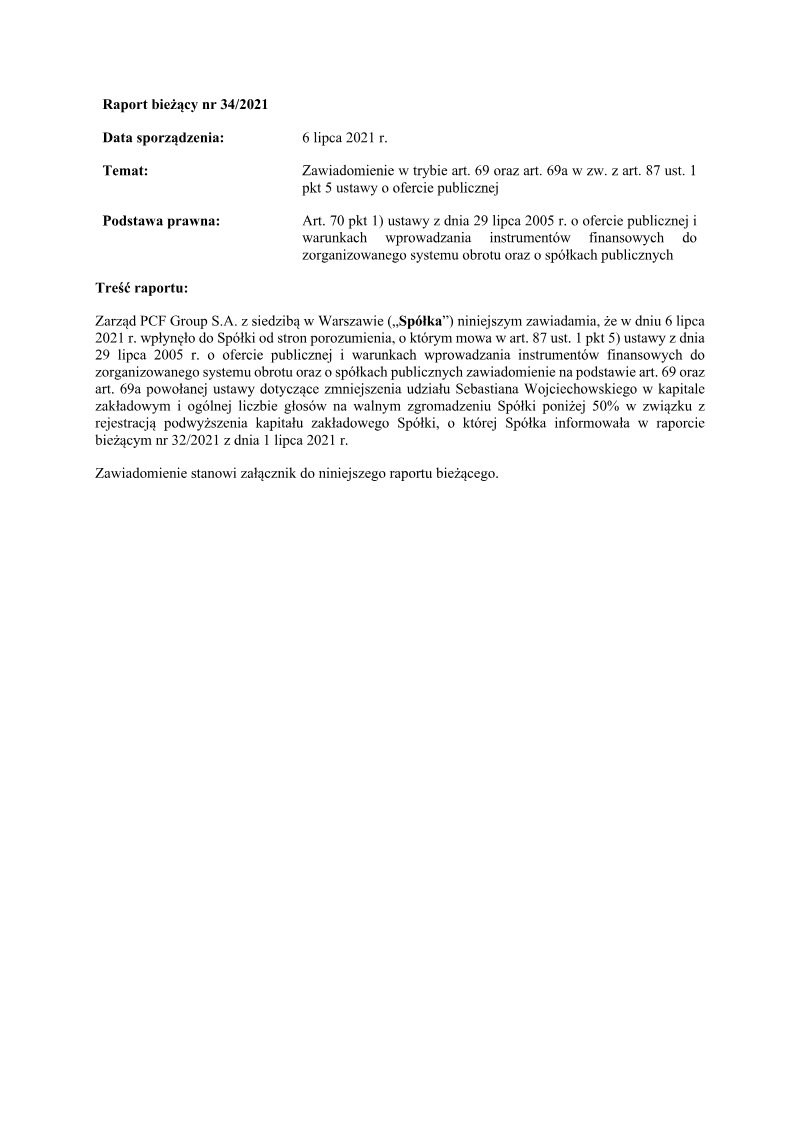
PCF Group · 2021