FinancialPeople Can Fly Group
Annual Consolidated Financial Report for the Fiscal Year Ended 31 December 2020
26 Apr 202182 pages~154 min full read
PCF Group S.A. achieved exceptional financial growth during the 2020 fiscal year, characterized by a fivefold increase in net profit to 24.6 million PLN and a rise in sales revenues to 103.8 million PLN. This performance was underpinned by a robust work-for-hire business model serving major global publishers, most notably Square Enix and Take-Two Interactive. The Group’s total assets expanded significantly to 95.7 million PLN, supported by a strong cash position of 41.3 million PLN following a successful debut on the Warsaw Stock Exchange in December 2020. This transition to a public joint-stock company coincided with a corporate restructuring that merged the parent entity with its primary subsidiary and expanded its international footprint through the acquisition of a new studio in Chicago.
The Group’s revenue streams are primarily derived from game production services and royalties, with a high concentration of income—over 80%—originating from a single major client. To manage this dependency, the Group secured new development agreements and utilized strategic warrant-based incentive programs. Financial stability was further bolstered by government pandemic relief programs in Poland and the United States, which provided approximately 3.9 million PLN in forgivable loans. Operational costs were largely driven by third-party services and a growing workforce, which increased to 281 personnel by year-end.
Accounting policies for the period focused on the capitalization of game development costs as intangible assets and the adoption of IFRS 16 for office leases. The Group also leveraged the IP Box tax relief, applying a preferential 5% corporate tax rate on qualified intellectual property income, which resulted in a low effective tax rate of 8%. Despite significant currency risks arising from the mismatch between PLN-denominated costs and USD/EUR revenues, the Group maintained high liquidity and a stable financial outlook, establishing a new dividend policy to distribute 10-20% of future net profits to shareholders.
PlayWay · 2026
PlayWay · 2026
PlayWay · 2026
11 bit studios · 2026
PCF Group · 2025
11 bit studios · 2025
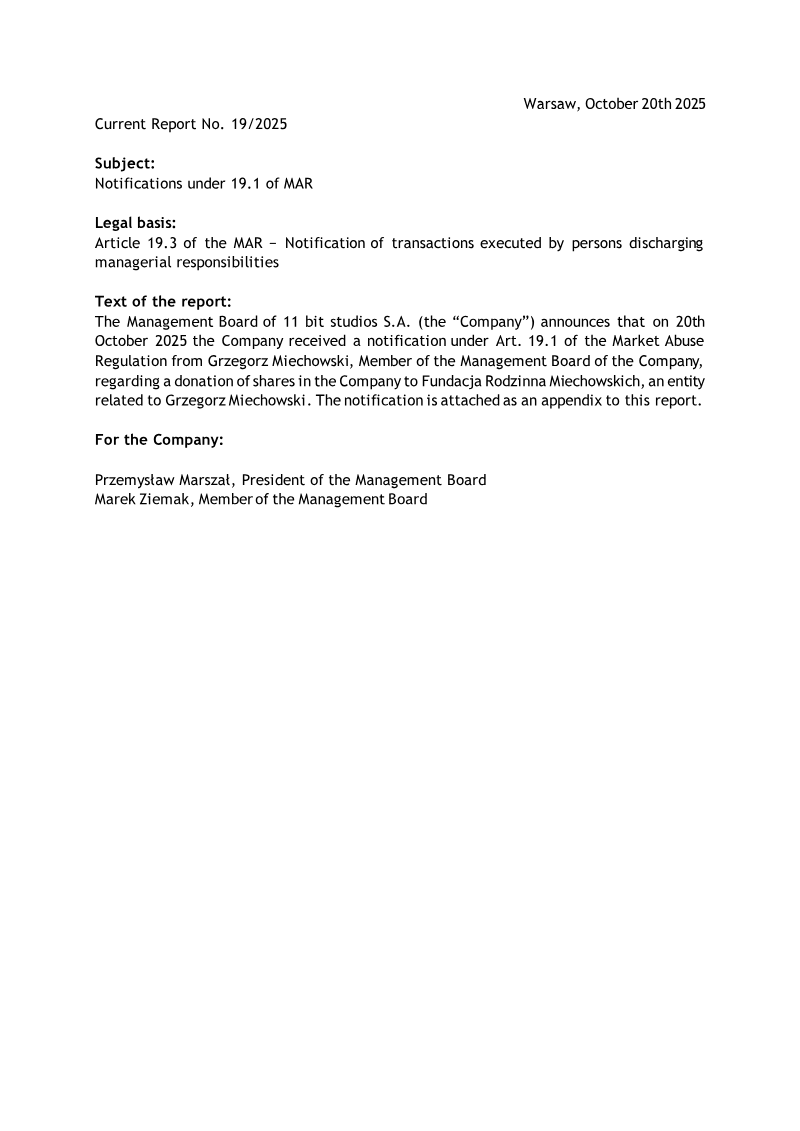
11 bit studios · 2025
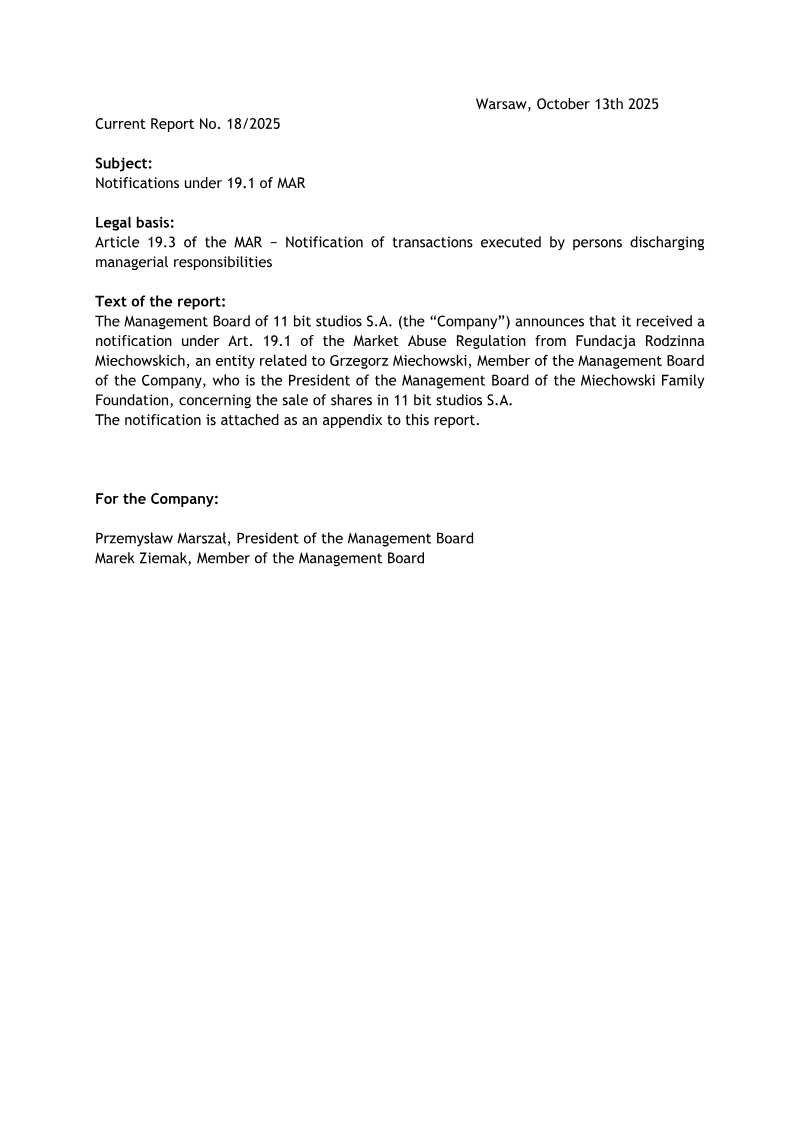
11 bit studios · 2025
PCF Group · 2025
PCF Group · 2025
PCF Group · 2025
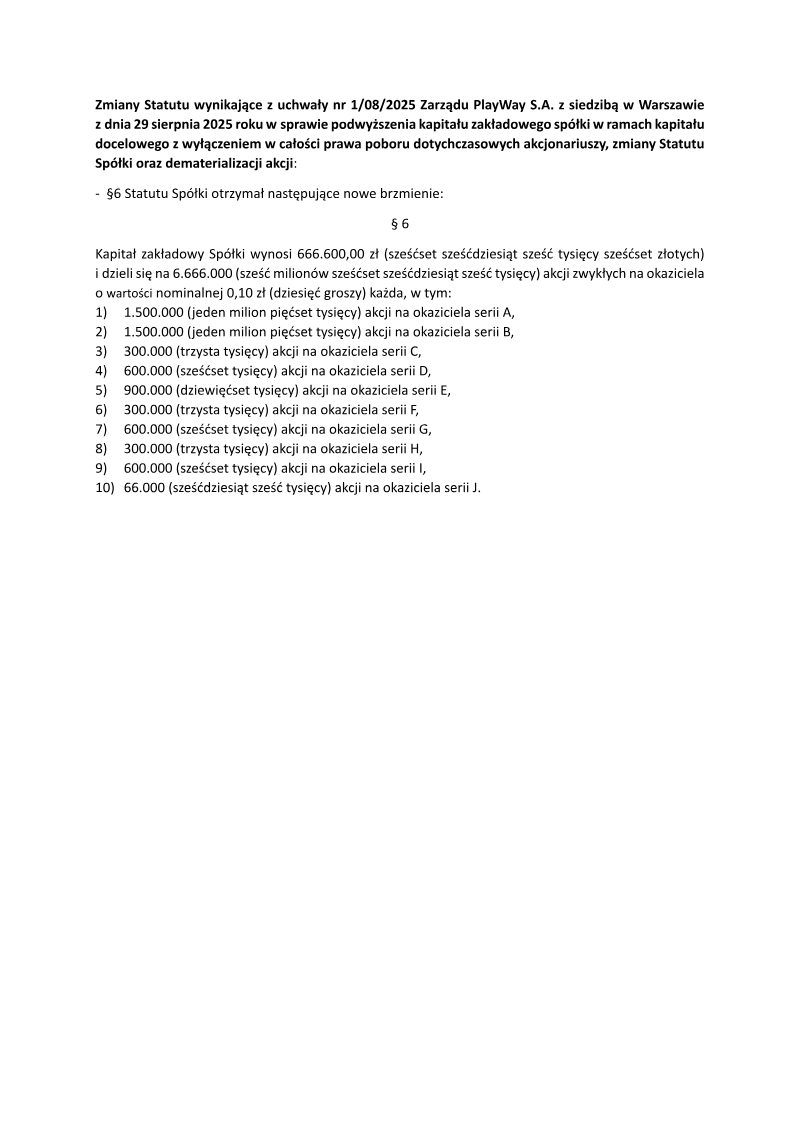
PlayWay · 2025