FinancialPCF Group
Skonsolidowany Raport Półroczny Za Okres 01.01.2024 - 30.06.2024
1 Sept 202492 pages~158 min full read
PCF Group S.A. (People Can Fly) reported a period of significant financial and strategic transition during the first half of 2024. While consolidated sales revenues increased to 76.3 million PLN from 68.7 million PLN in the previous year, the Group’s net loss widened substantially to 33.3 million PLN. This downturn was primarily driven by rising operating costs, which reached 171.1 million PLN, and significant non-cash impairment charges totaling approximately 85 million PLN related to the cancellation of Project Red and Project Dagger. The Group’s cash reserves fell to 83.4 million PLN by June 30, 2024, as heavy investment in intangible assets and negative operating cash flows pressured liquidity.
The Group’s revenue model remains heavily reliant on development fees from international partners, including Square Enix, Microsoft, and Krafton. However, a strategic shift in the relationship with Square Enix regarding Project Gemini—now operating on a cost-only work-for-hire basis—has compressed margins. To stabilize operations, the Group secured a new agreement with Krafton for Project Echo and continues to utilize the IP Box tax relief in Poland. Despite these efforts, the unsatisfactory launch of Bulletstorm VR and the termination of associated publishing agreements have further complicated the transition toward a self-publishing model.
Looking forward, management has initiated a comprehensive review of strategic options to secure 350 million PLN in new financing required for the 2025–2026 period. This capital is essential to sustain the development of major self-published titles, including Project Bison, Bifrost, and Victoria, which have been rescheduled for release between 2025 and 2026. While the Board maintains a going concern assumption for the next 12 months, it acknowledges that failure to secure additional funding by the end of 2024 may necessitate a reduction in operational scale or a significant adjustment to the current business model.
PCF Group · 2026
PCF Group · 2026
PCF Group · 2026
PCF Group · 2026
PCF Group · 2025
PCF Group · 2025
PCF Group · 2025
PCF Group · 2025
PCF Group · 2025
PCF Group · 2025
PCF Group · 2025
PCF Group · 2025
PlayWay · 2026
11 bit studios · 2025
PCF Group · 2025
PCF Group · 2025
PlayWay · 2025
Centralna Informacja Krajowego Rejestru Sądowego · 2025
PCF Group · 2025

PCF Group · 2025
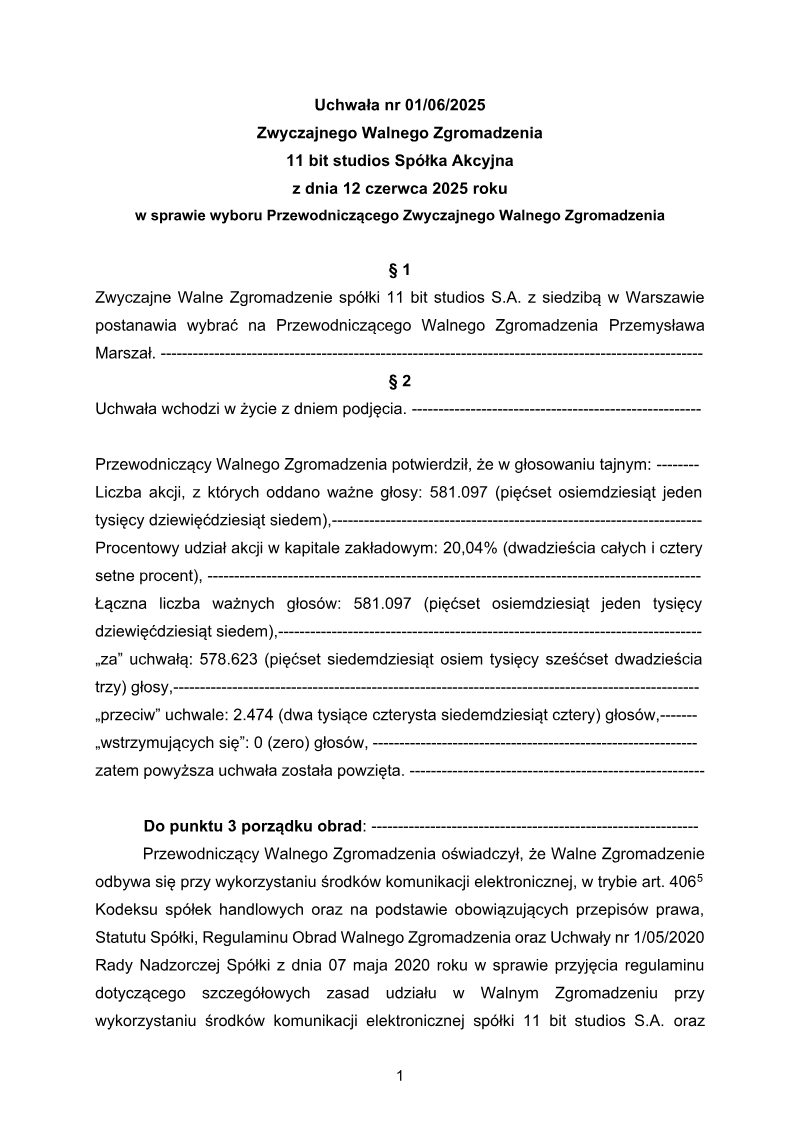
11 bit studios · 2025
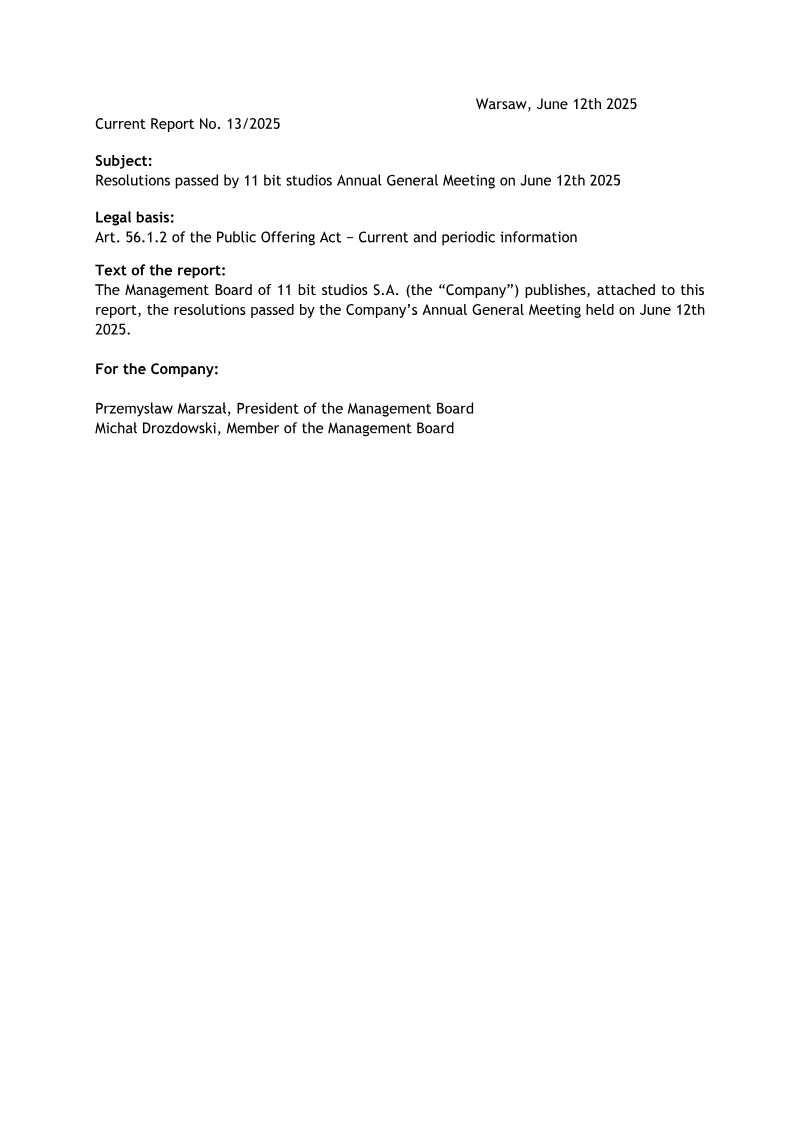
11 bit studios · 2025
PCF Group · 2025
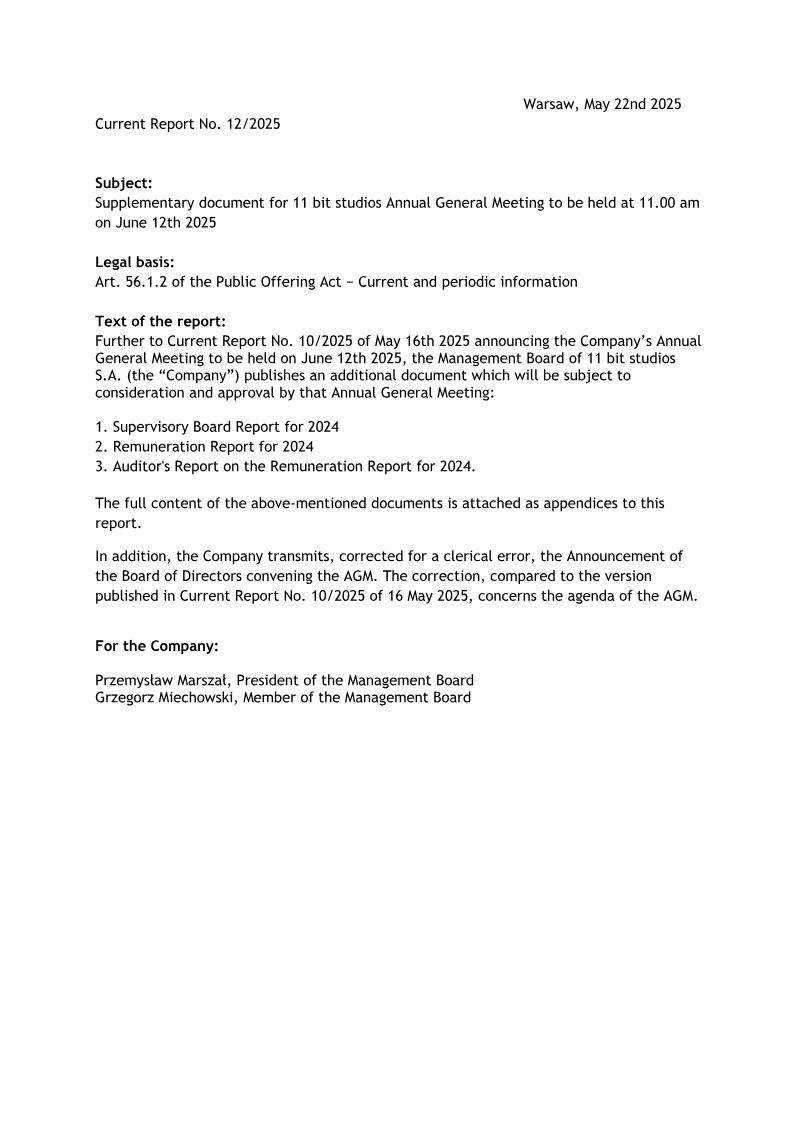
11 bit studios · 2025