More on Game Design
View all
Two & a Half Gamers
🚙 30 Rewarded Ads, No Daily Cap: How Hill Climb Racing 2 Monetizes 2.5 Billion Downloads
Two & a Half Gamers · 2026
Two & a Half Gamers
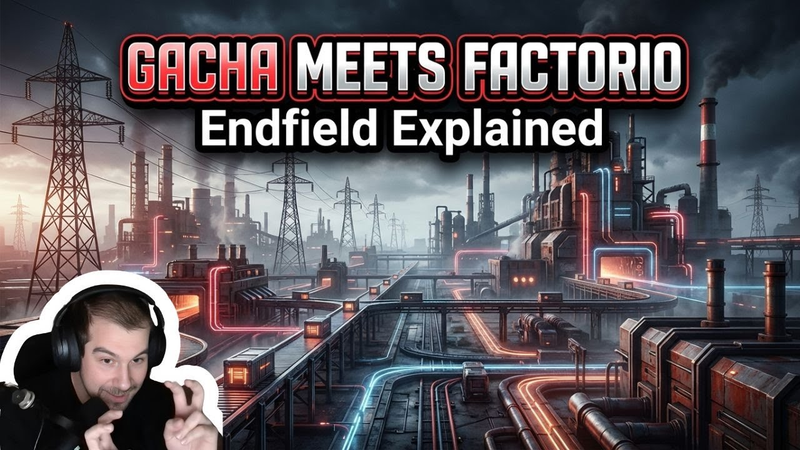
🎮 ARKNIGHTS: ENDFIELD - Gacha meets factory automation
Two & a Half Gamers · 2026
Deconstructor of Fun
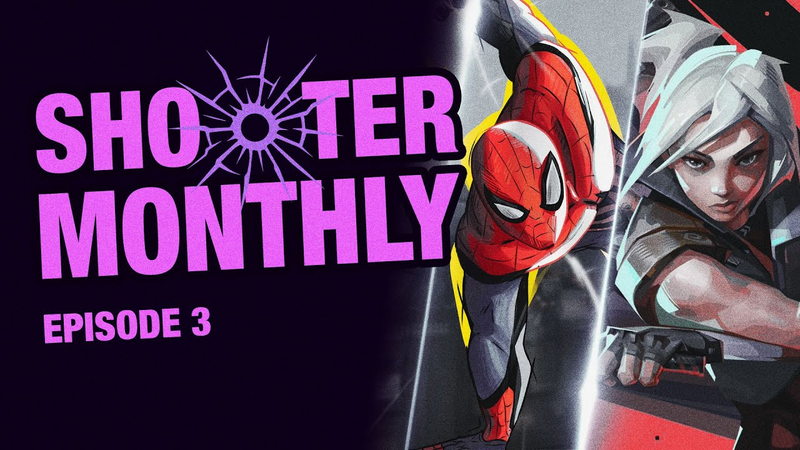
Shooter Monthly #3 Marathon vs the Market, Valorant Goes Massive, Marvel Rivals Misreads Progression
Deconstructor of Fun · 2025
Two & a Half Gamers
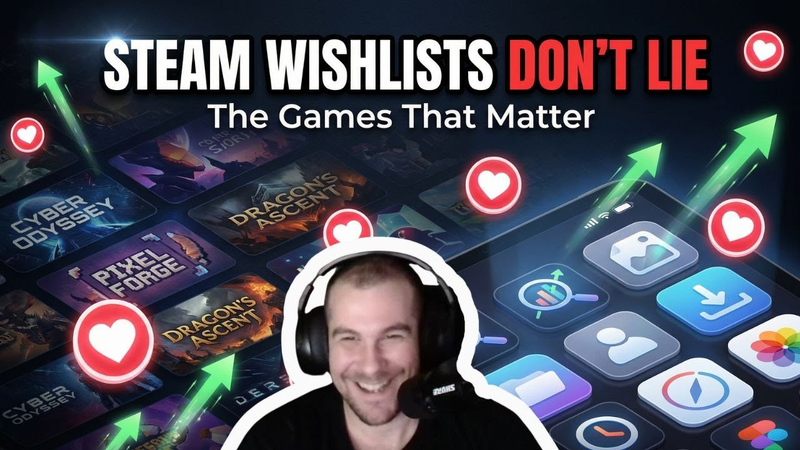
Steam Wishlist Scanner: The games that matter by Jakub Remiar
Two & a Half Gamers · 2025
Two & a Half Gamers
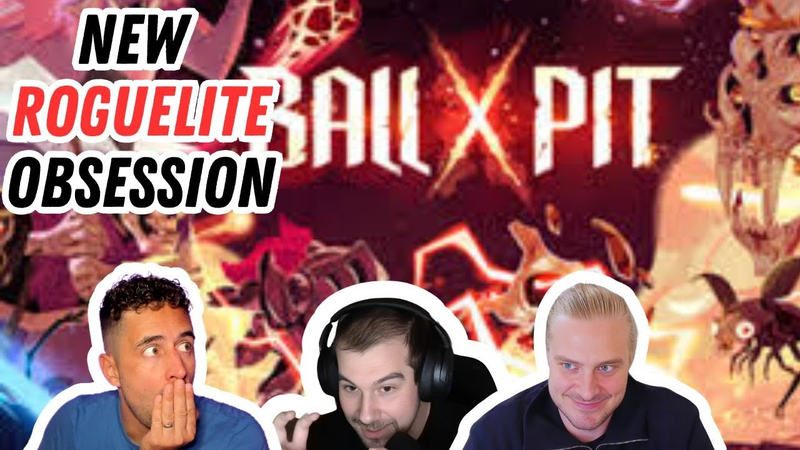
Ball X-Pit Review: The Most Innovative Game of 2025?
Two & a Half Gamers · 2025

Game Developers Conference
Top Differences Between Mobile and AAA Live Service Games (Scott Hartsman Interview)
Game Developers Conference · 2025
Extra Credits
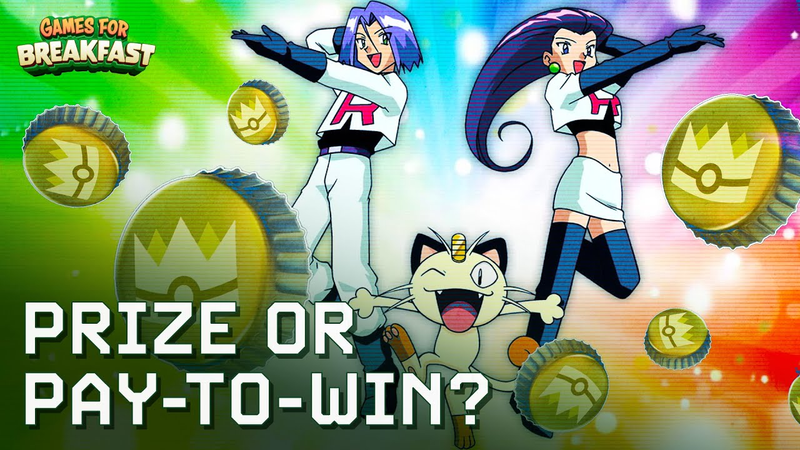
Pokemon GO Raises the Price Cap, Console Kill Switches & C.S. Mott Makes Children's Lives Better!
Extra Credits · 2025
Deconstructor of Fun
TWIG Bonus Episode: Holiday Special (UEFN, Royal Kingdom, and the Steam race)
Deconstructor of Fun · 2024
Deconstructor of Fun
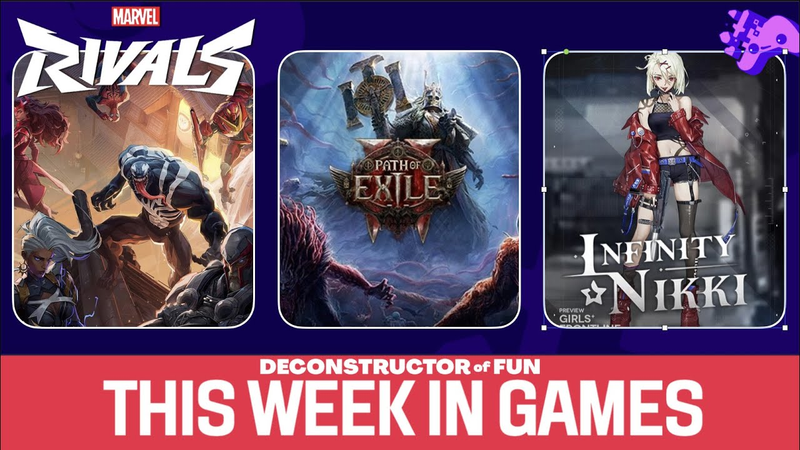
TWIG #312 THE GREATEST WEEK IN F2P. EVER? EVER!
Deconstructor of Fun · 2024
Deconstructor of Fun
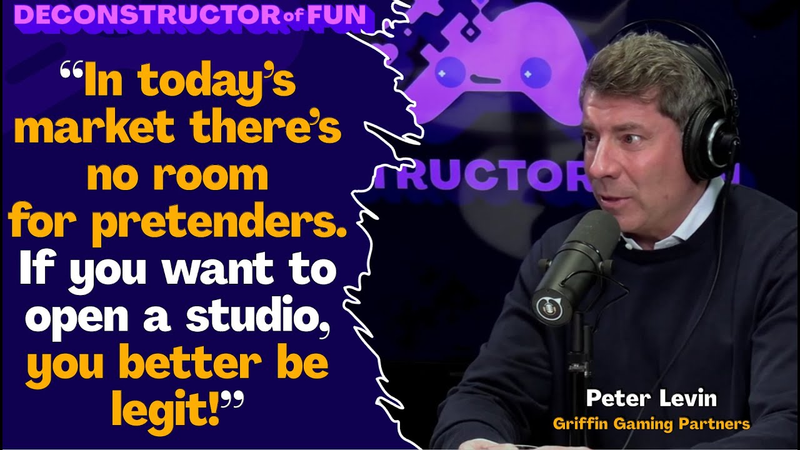
Peter Levin on Transmedia Trends, the Future of Global Gaming and Finland’s Gaming Legacy
Deconstructor of Fun · 2024
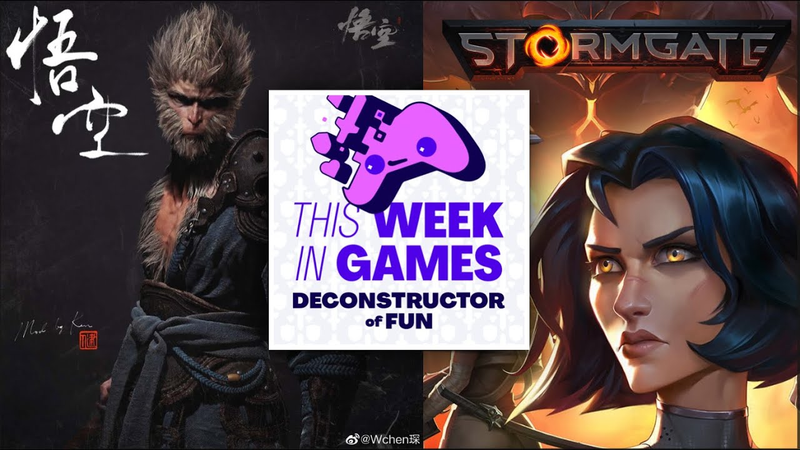
Deconstructor of Fun
TWiG #296: THE RETURN OF LONG LOST HOST + Black Myth Wukong Goes Ape Shit and Stormgate Flops
Deconstructor of Fun · 2024

GameMakers
Mastering F2P Cosmetics Monetization in Games
GameMakers · 2024