The global gaming market reached $188 billion in 2024, reflecting a 2.1% year-over-year increase. While public gaming markets outperformed the S&P 500 with growth up to 50%, the venture capital landscape faced significant headwinds. Q4 2024 recorded the lowest funding level in over five years at $286 million, representing a 47% decline from the previous quarter. This downturn was primarily driven by a reduction in growth-stage investments and a steep decline in "graduation" rates, where only 4% of gaming startups that raised seed rounds since late 2021 successfully progressed to Series A.
Geographically, North American funding remained relatively flat for the year, while Asia saw a 33% drop. Conversely, Europe experienced a 10% increase in funding. Despite the VC slowdown, the industry maintains a healthy environment for mergers and acquisitions, with public gaming companies and tech giants holding approximately $236 billion in combined cash and equivalents. Notable sector trends include an increasing allocation of capital toward AI—accounting for 10% of 2024 funding—and a continued interest in extended reality (XR) following Google’s announcement of the Android XR operating system.
The industry also faces significant regulatory and structural shifts. Key developments include U.S. antitrust actions against Google that could force the divestiture of Chrome or Android, and ongoing legal battles regarding a potential U.S. ban on TikTok. Additionally, there is heightened global scrutiny regarding child protection, exemplified by Australia’s social media ban for minors and new safety protocols implemented by Roblox. In hardware, the Nintendo Switch became the most sold console in U.S. history, reaching 46.6 million units. This analysis utilizes data from CB Insights, Carta, and Circana to provide a comprehensive overview of the private and public gaming sectors through the end of 2024.
Konvoy · 2025
Konvoy · 2024
Konvoy · 2024
Konvoy · 2024
Konvoy · 2024
Konvoy · 2023
Konvoy · 2023
Konvoy · 2023
Konvoy · 2022
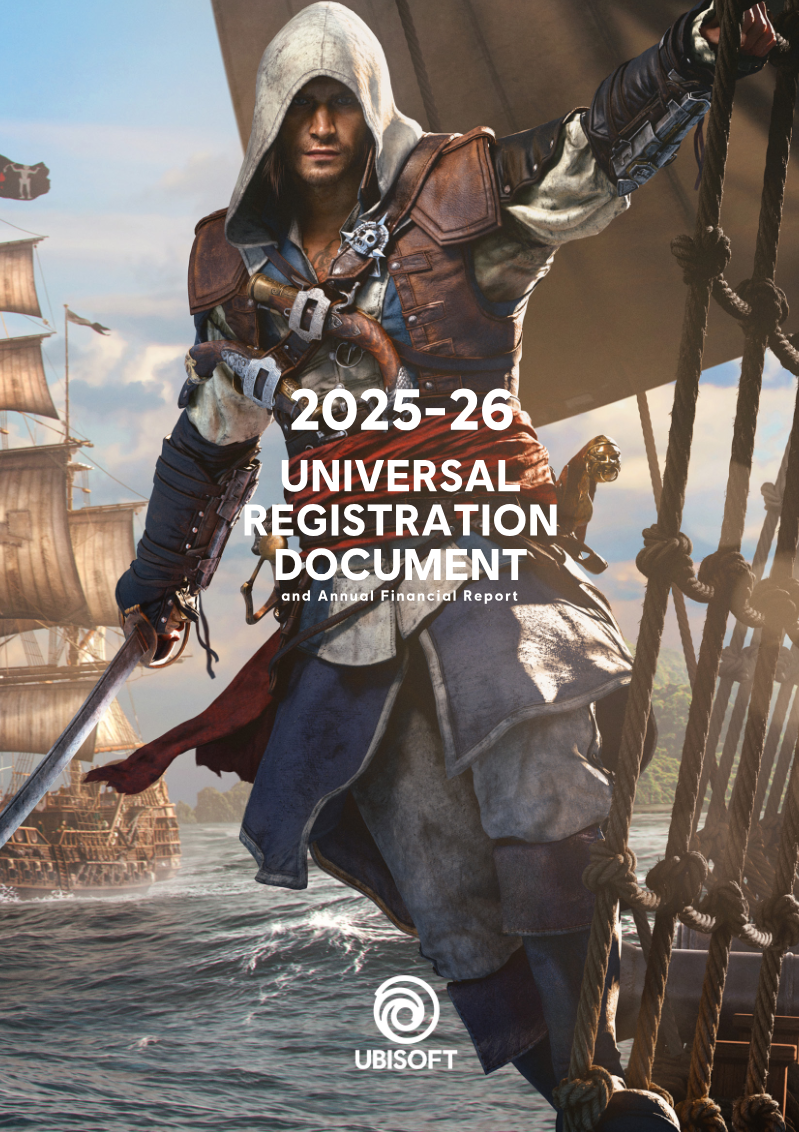
Ubisoft · 2026
Sony Group Corporation · 2026
Enthusiast Gaming Holdings · 2026
Drake Star Partners · 2026
Aream & Co · 2026
Capcom · 2026
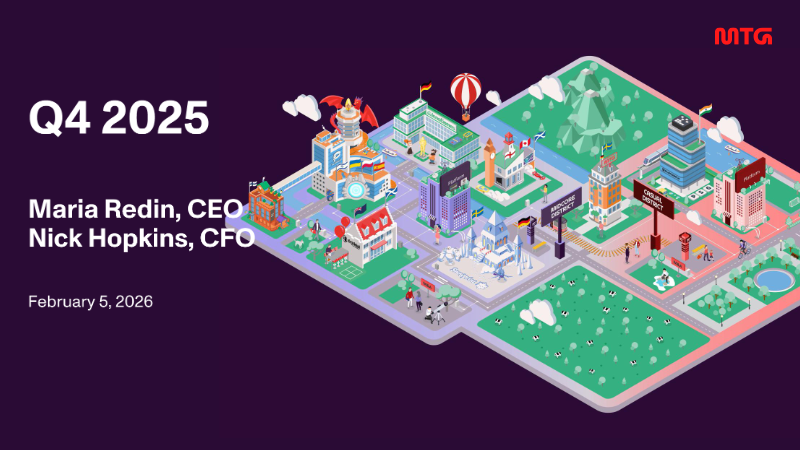
Modern Times Group · 2026
Bandai Namco · 2026
Aream & Co · 2026
Take-Two Interactive · 2026
Take-Two Interactive · 2026
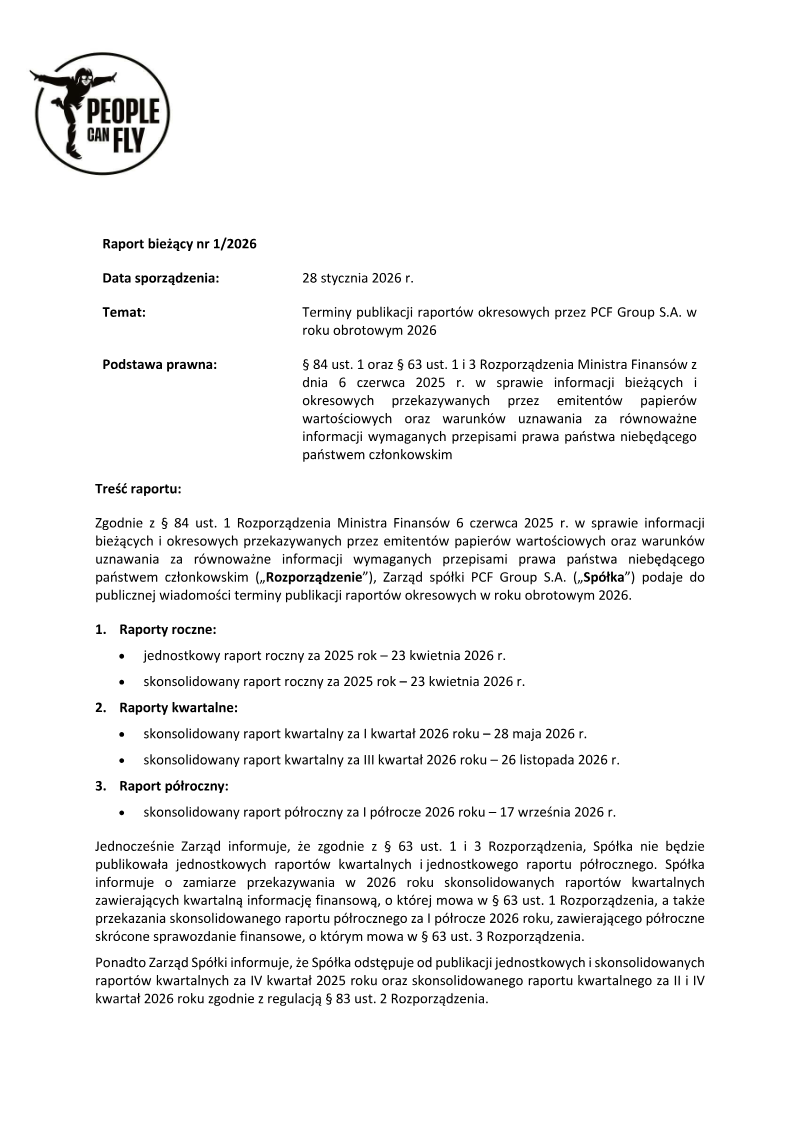
PCF Group · 2026