GREE’s financial results for the second quarter of fiscal year 2016 reflect a strategic transition toward native game development and diversified service platforms. The company reported net sales of ¥18.1 billion and an operating income of ¥4.0 billion, surpassing internal targets despite a year-over-year decline in revenue. This performance was driven by successful cost-control measures, including a ¥3.2 billion reduction in fixed costs compared to the previous year, and the stabilization of coin consumption in overseas markets.
The geographic scope focuses primarily on Japan, with significant operational updates regarding North American and European markets. In the native game segment, the company highlighted the success of domestic titles like Shometsu Toshi, which achieved record monthly sales following a targeted television advertising campaign. The development pipeline remains robust with 11 titles in progress, including high-profile collaborations and first-party projects scheduled for release in the second half of the fiscal year. Conversely, the legacy web game business is being managed for steady profitability through the establishment of Funplex, a specialized game operations subsidiary.
Beyond gaming, there is a clear expansion into home-related services and health and fitness platforms. The Renoco online renovation service and the Lespas fitness affiliate network both reported steady growth, with the company targeting multi-billion yen sales for these segments by fiscal year 2018. Additionally, the company is investing in emerging technologies, specifically through the GREE VR Studio, to secure early market positioning.
The financial outlook for the full fiscal year remains conservative, forecasting net sales of ¥72.0 billion and operating income of ¥14.0 billion. This guidance accounts for the natural decline of older web games while anticipating the gradual earnings contribution from new native titles and the continued scaling of non-gaming business lines. Management intends to maintain strict control over server and outsourcing costs while selectively investing in high-potential marketing opportunities.
GREE · 2026
GREE · 2026
GREE · 2026
GREE · 2025
GREE · 2025
GREE · 2025
GREE · 2025
GREE · 2025
GREE · 2025
GREE · 2025
GREE · 2025
GREE · 2025
Capcom · 2026
Capcom Co. · 2026
Capcom · 2026
Sony Group Corporation · 2026

Square Enix · 2026
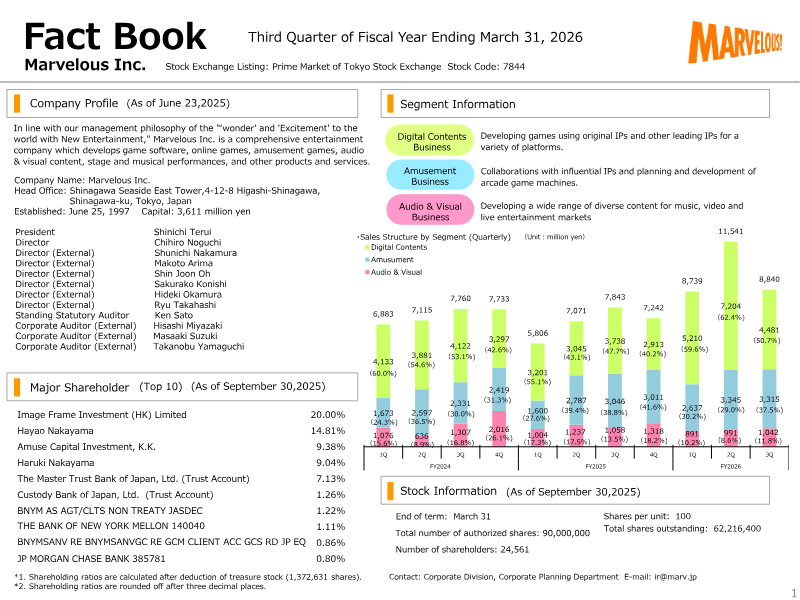
Marvelous · 2026
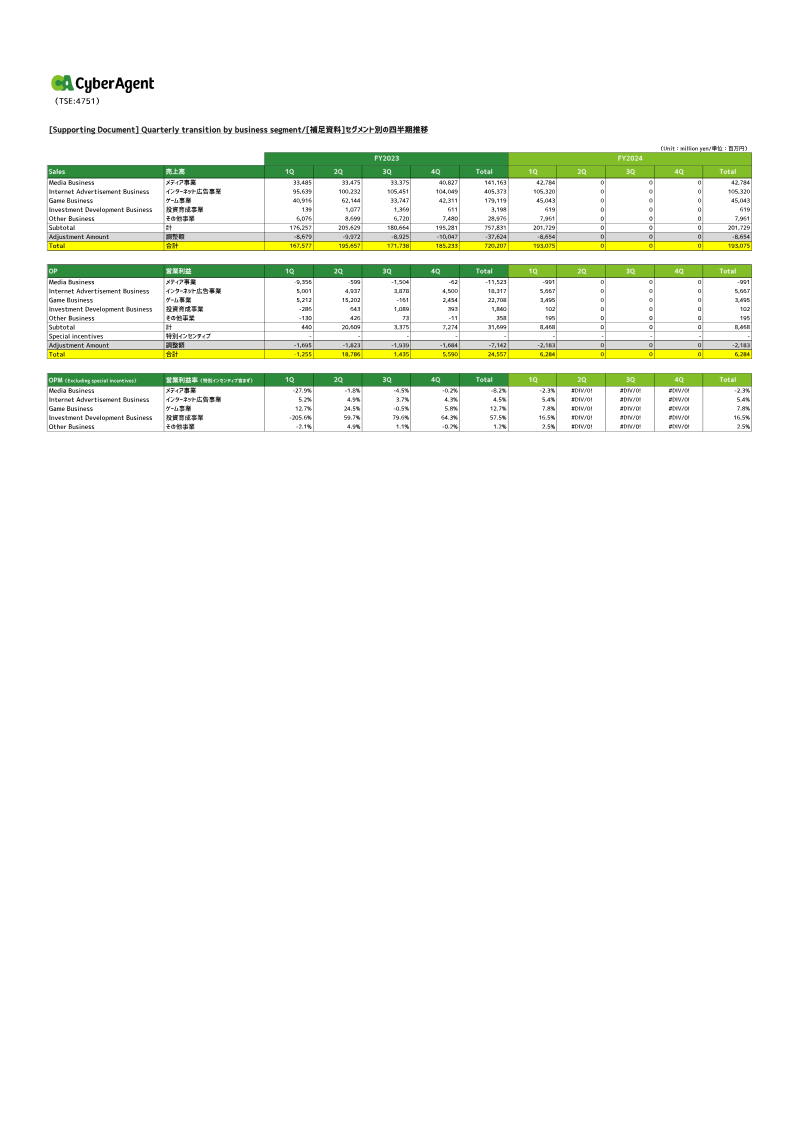
CyberAgent · 2026
Square Enix · 2026
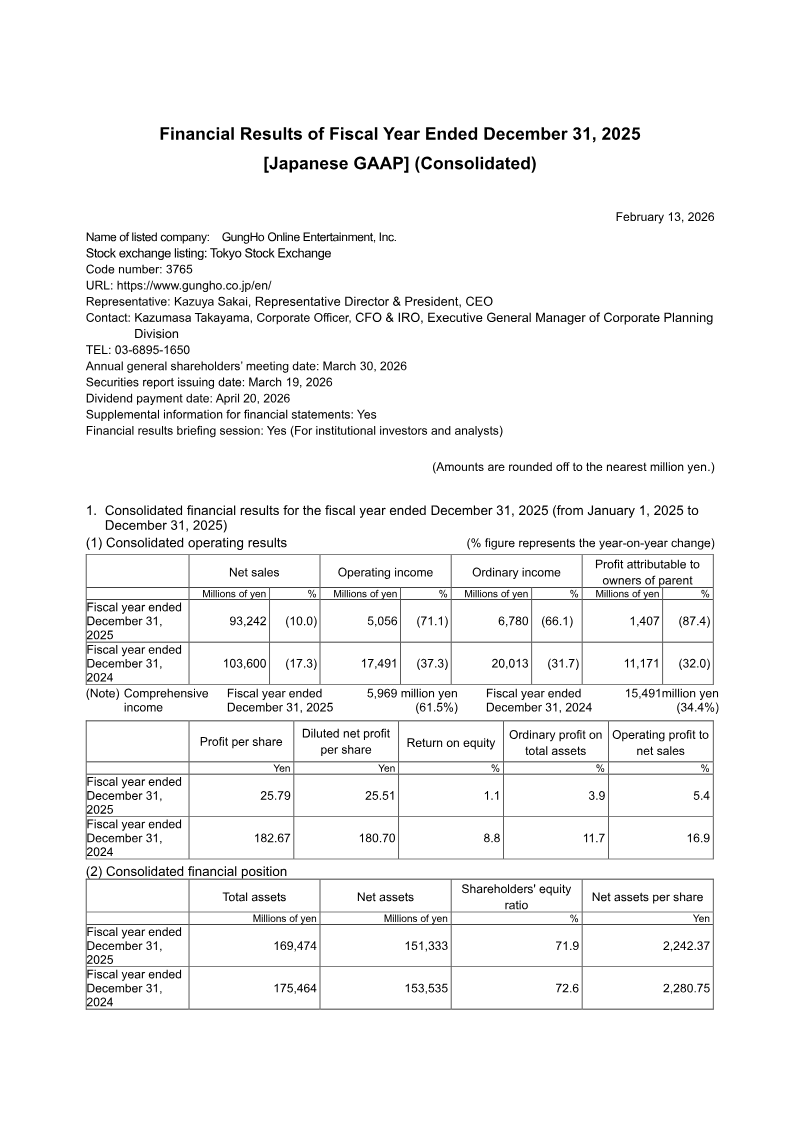
GungHo Online Entertainment · 2026
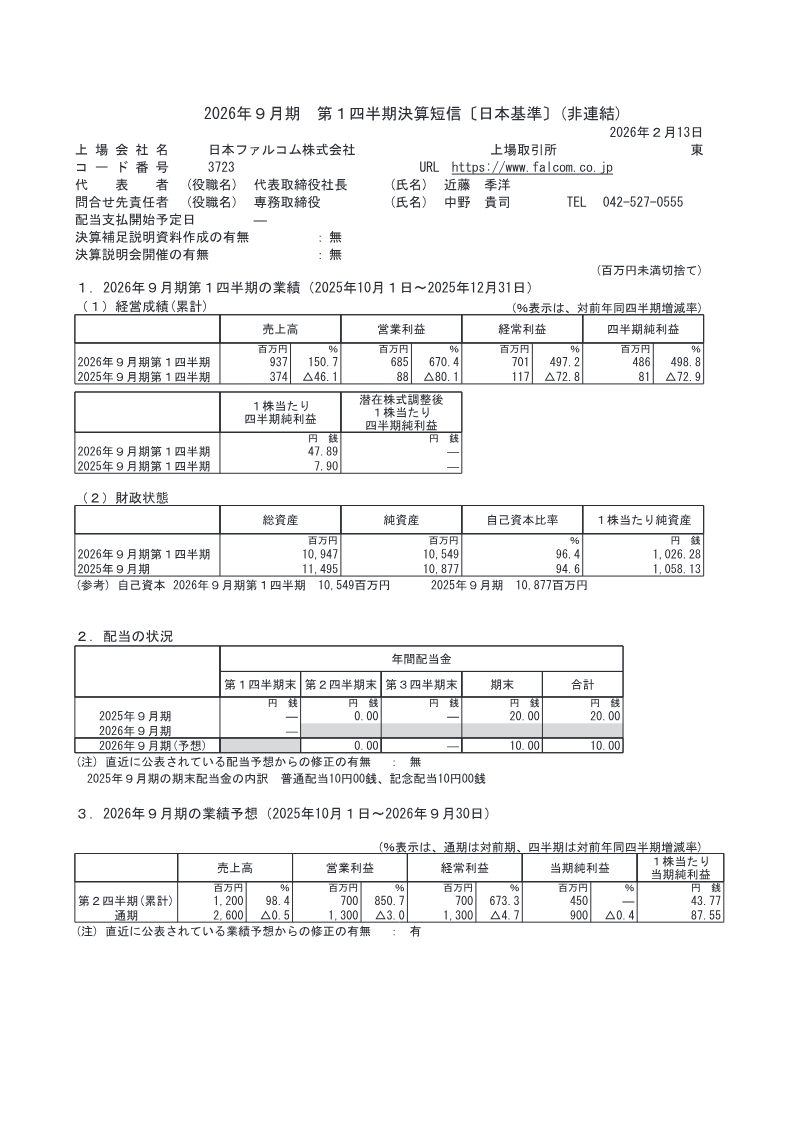
Nihon Falcom Corporation · 2026
Sega Sammy Holdings · 2026
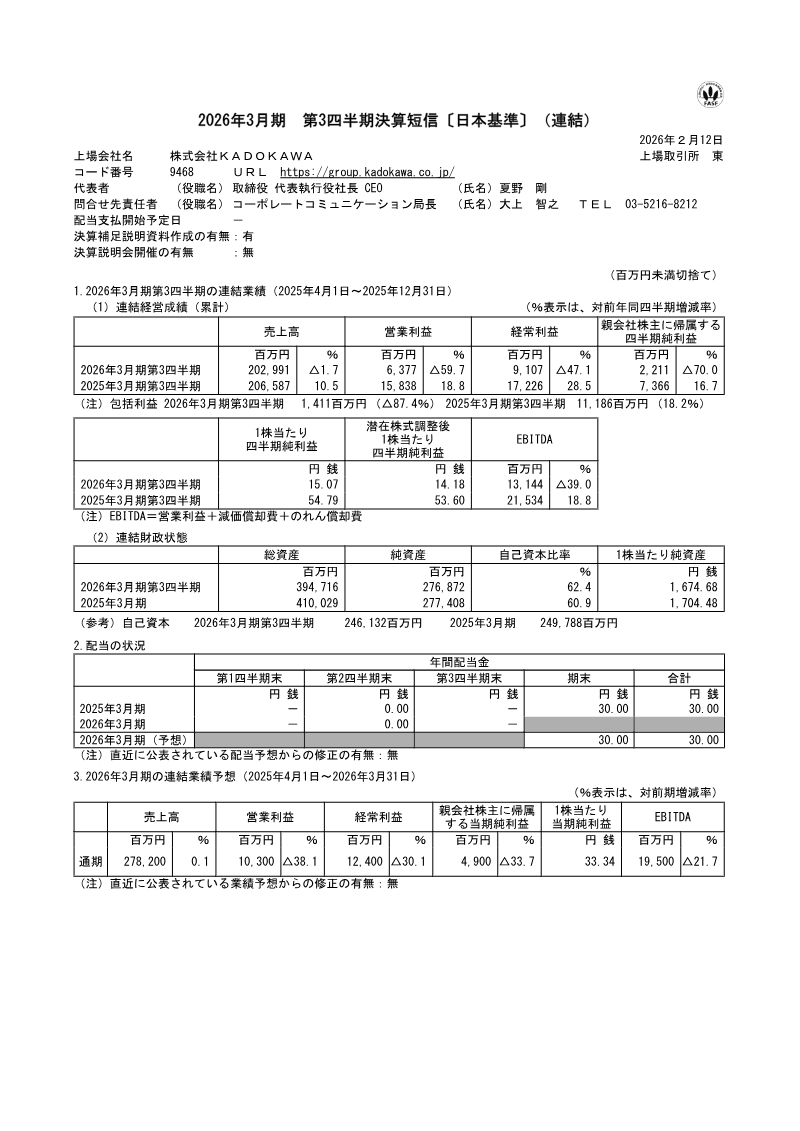
Kadokawa Corporation · 2026