FinancialKoei Tecmo
Financial Highlights for the Fiscal Year Ending March 2012 (FY2011)
20121 pages~1 min full read
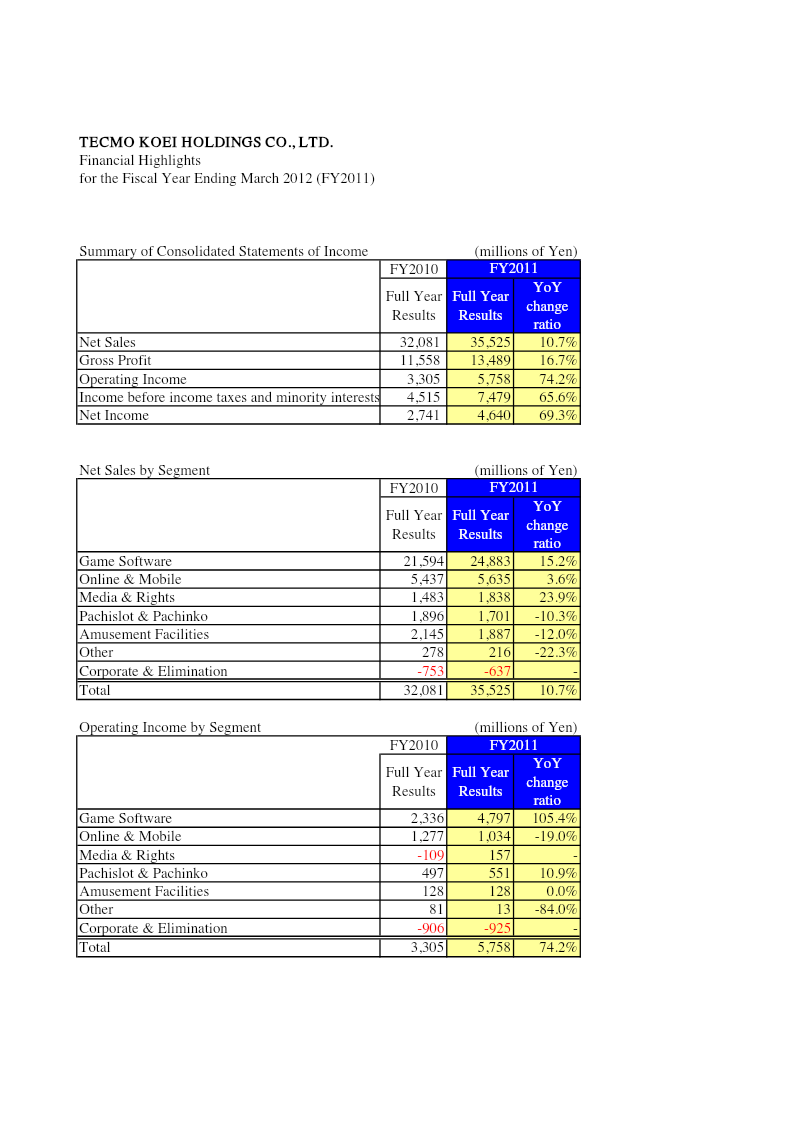
Tecmo Koei Holdings achieved significant financial growth during the fiscal year ending March 2012, characterized by a substantial increase in profitability across its core business operations. Net sales rose by 10.7% to reach 35,525 million yen, while net income experienced a dramatic surge of 69.3%, totaling 4,640 million yen. This performance was driven primarily by a 74.2% year-over-year increase in operating income, which climbed to 5,758 million yen. The results indicate a period of high operational efficiency and successful product delivery within the Japanese gaming and entertainment sectors.
The game software segment served as the primary engine for growth, contributing 24,883 million yen in sales, a 15.2% increase from the previous year. More notably, the operating income for this segment more than doubled, rising 105.4% to 4,797 million yen. While the online and mobile division saw a modest 3.6% increase in sales, its operating income declined by 19.0%, suggesting higher costs or shifting margins within the digital space. The media and rights segment demonstrated a successful turnaround, moving from an operating loss in the prior year to a profit of 157 million yen on the back of 23.9% sales growth.
In contrast to the success of software and media, the company faced challenges in its physical and traditional entertainment divisions. Sales in the amusement facilities and pachislot and pachinko segments declined by 12.0% and 10.3% respectively. Despite the drop in revenue, the pachislot and pachinko business managed to increase its operating income by 10.9%, while amusement facility profits remained flat. These figures reflect a strategic shift where high-margin software and intellectual property rights increasingly dominate the corporate portfolio, offsetting the contraction in legacy arcade and physical gaming segments.
Koei Tecmo · 2025
Koei Tecmo · 2025
Koei Tecmo · 2025
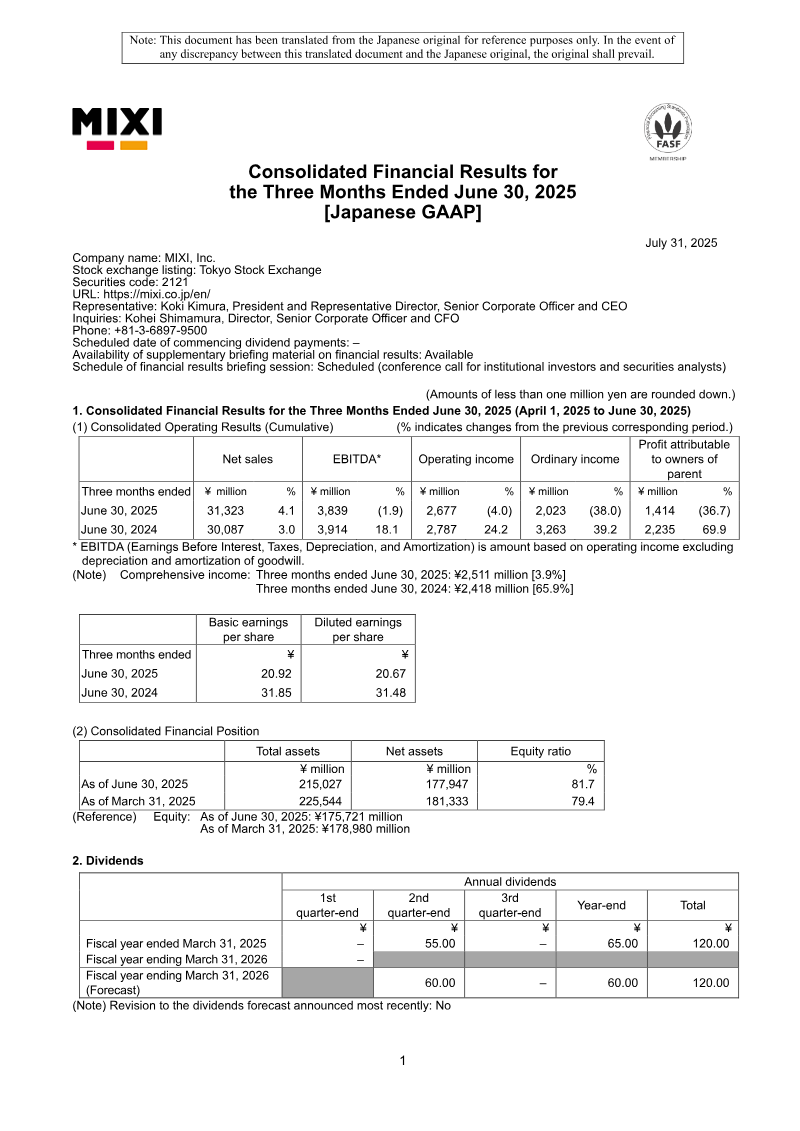
MIXI, Inc. · 2025
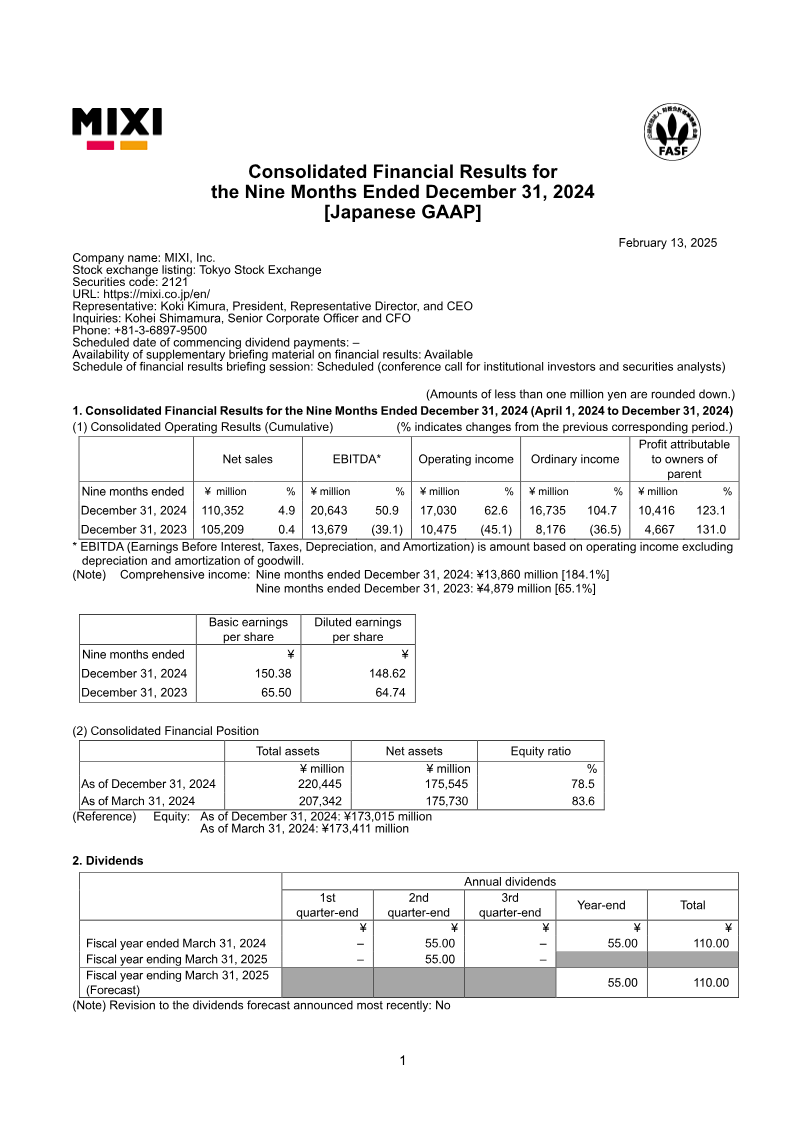
MIXI, Inc. · 2025
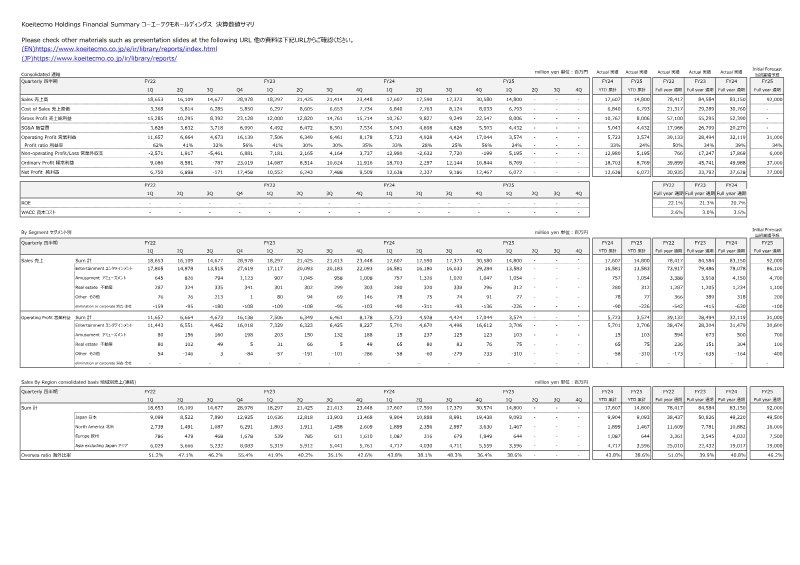
Koei Tecmo · 2025
Koei Tecmo · 2025
Koei Tecmo · 2025

Koei Tecmo · 2025
Koei Tecmo · 2025
Koei Tecmo · 2024

Koei Tecmo · 2024

Capcom Co. · 2026
Capcom · 2026
PlayWay · 2026
NEXON Co. · 2026
Bushiroad · 2026
Meridian Play · 2026
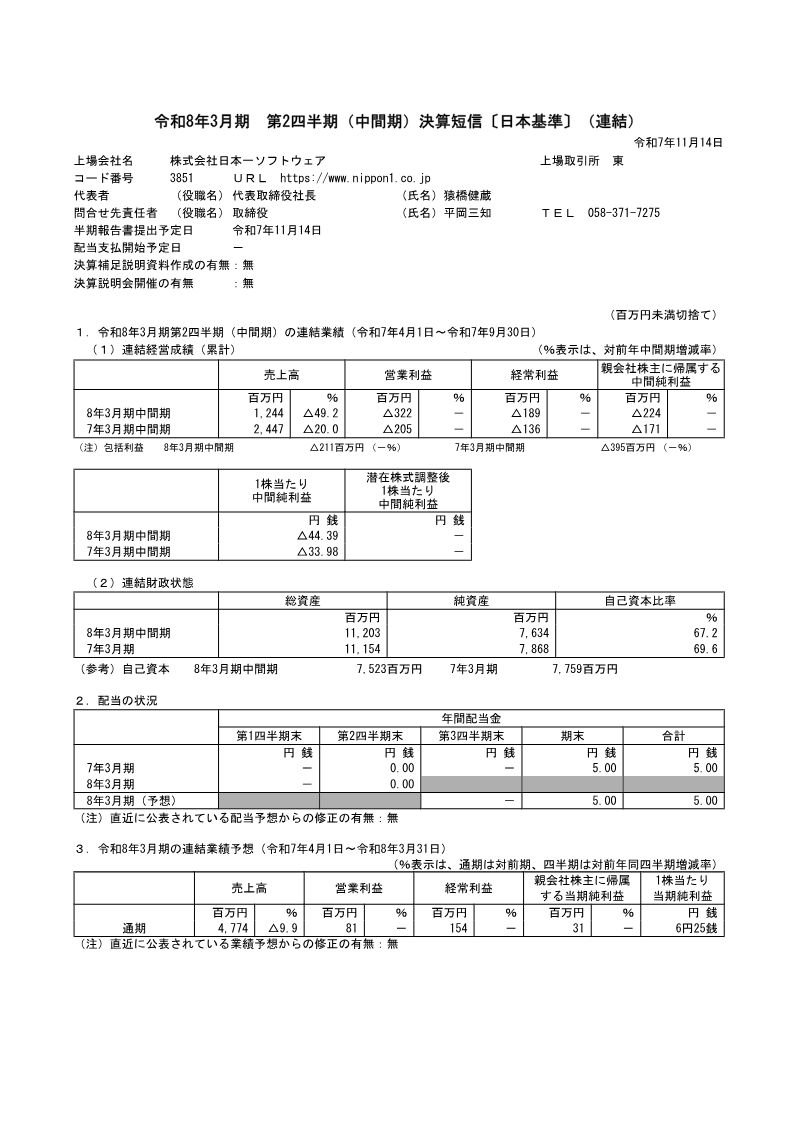
Nippon Ichi Software · 2025

Games Workshop Group · 2025
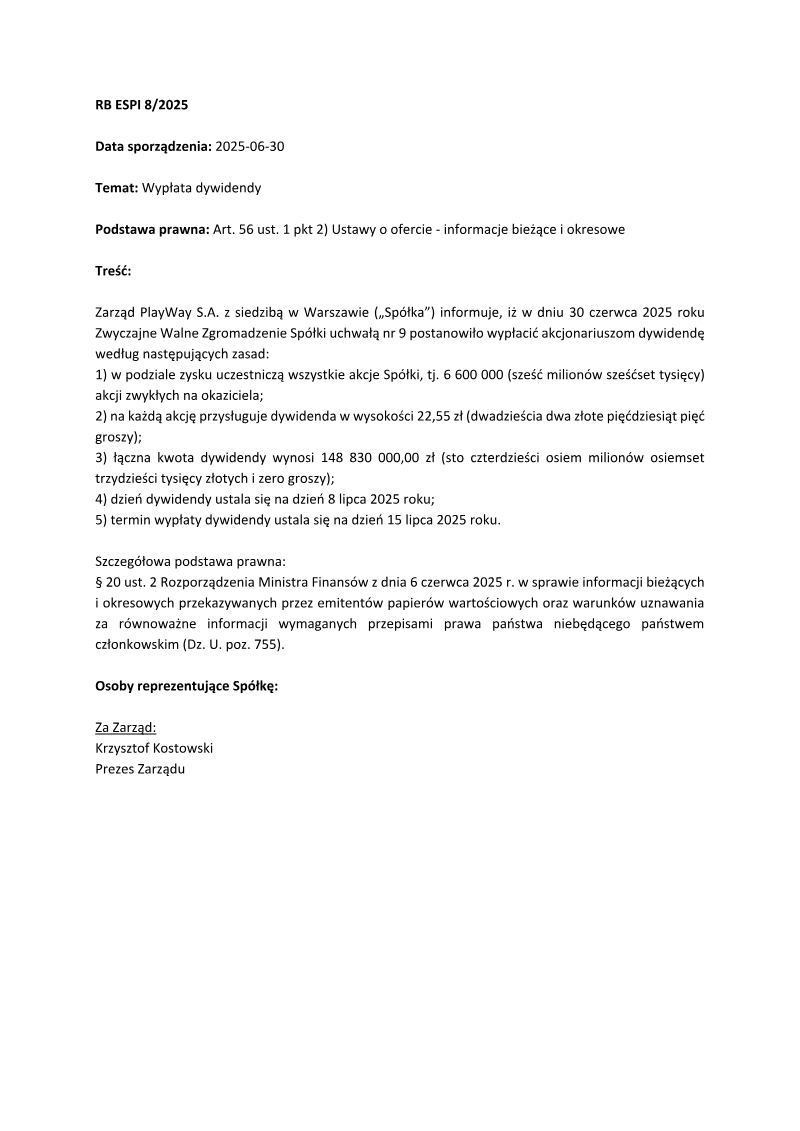
PlayWay · 2025
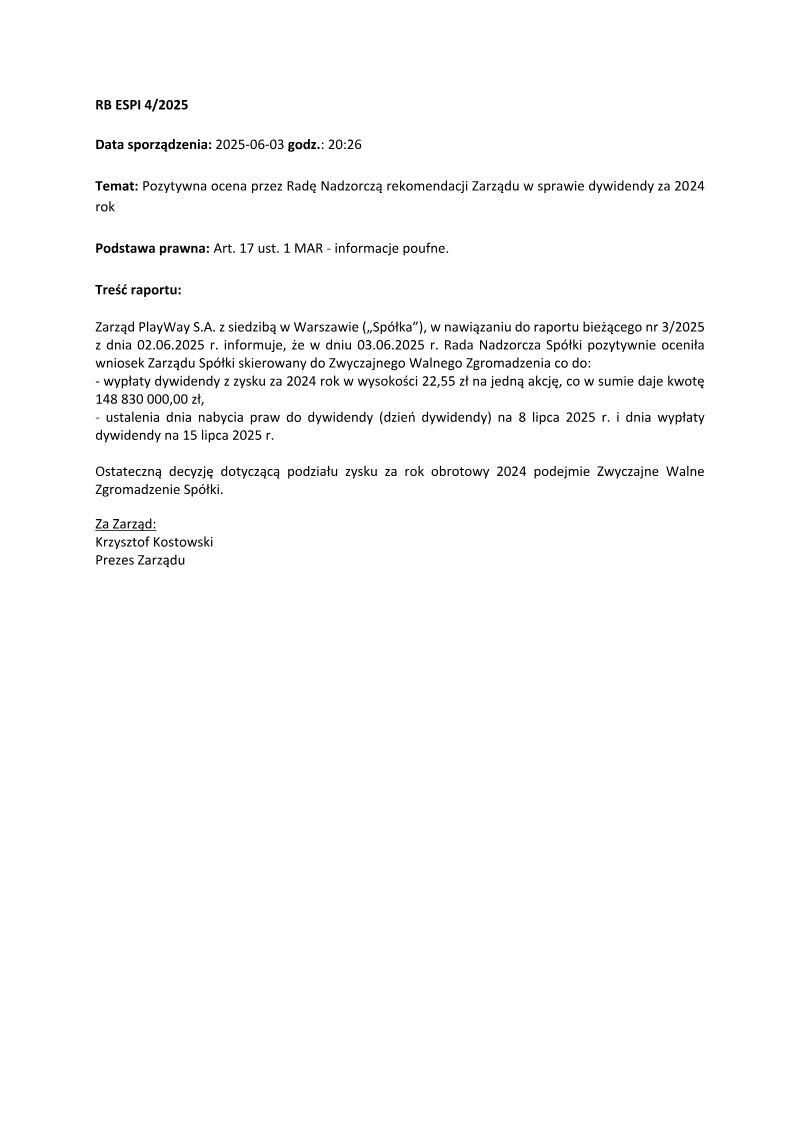
PlayWay · 2025
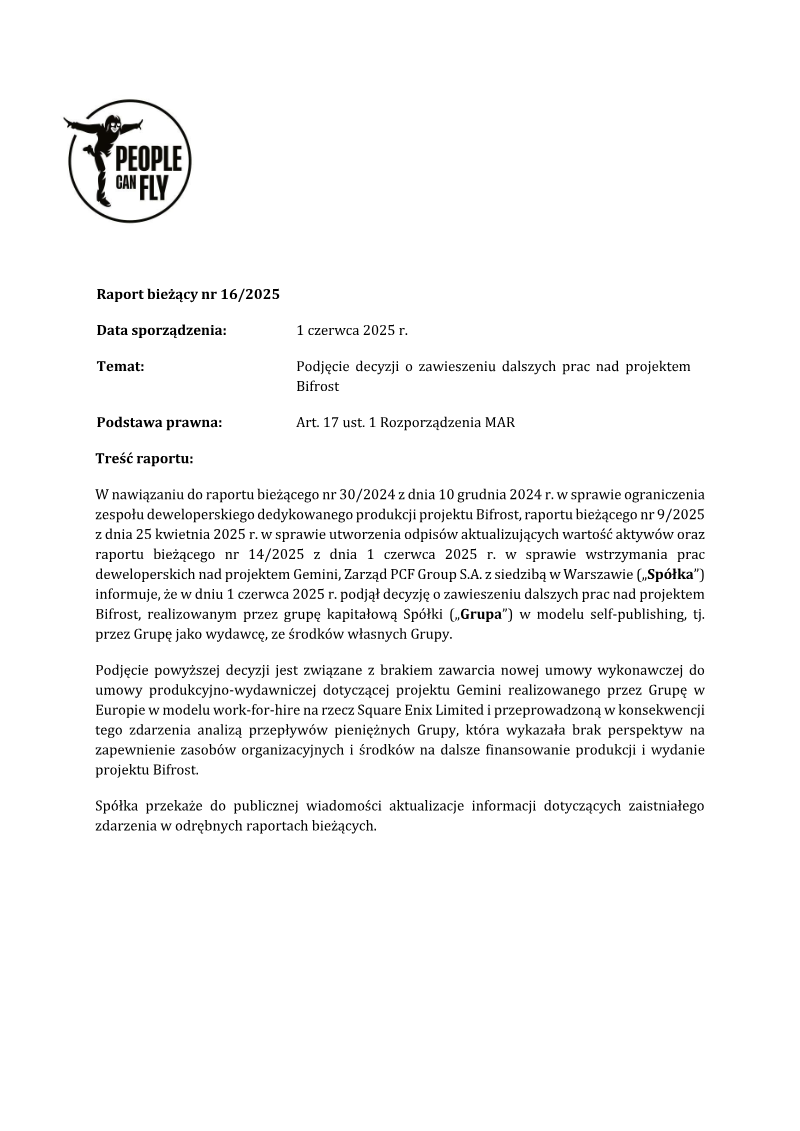
PCF Group · 2025
11 bit studios · 2025