1 free read left. Create a free account for unlimited reading + AI research.
Create free accountWhitepaper Press Start
1 free read left. Create a free account for unlimited reading + AI research.
Create free accountWhitepaperPress Start
Distilling the key insights…
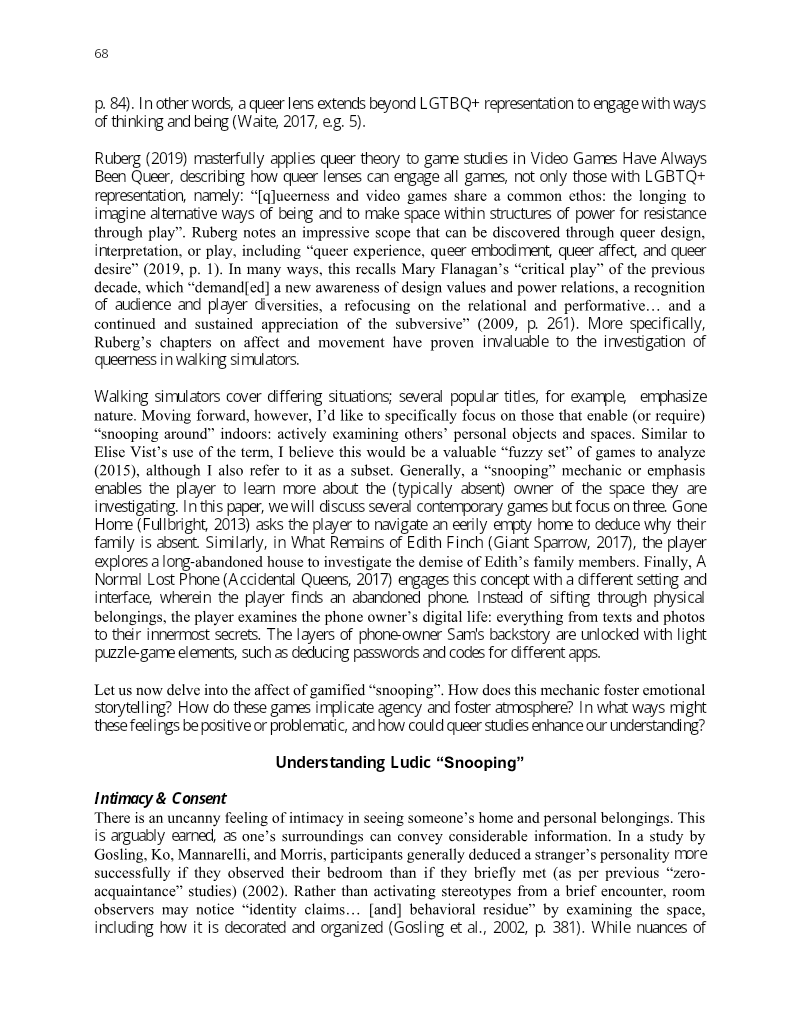
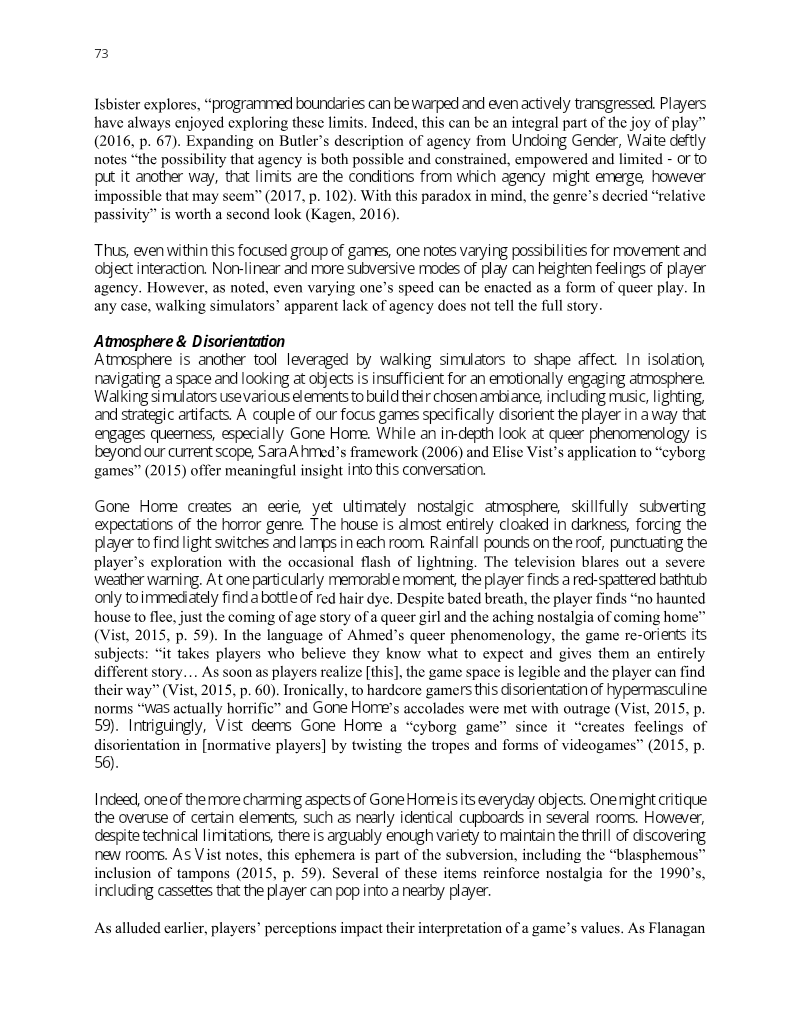
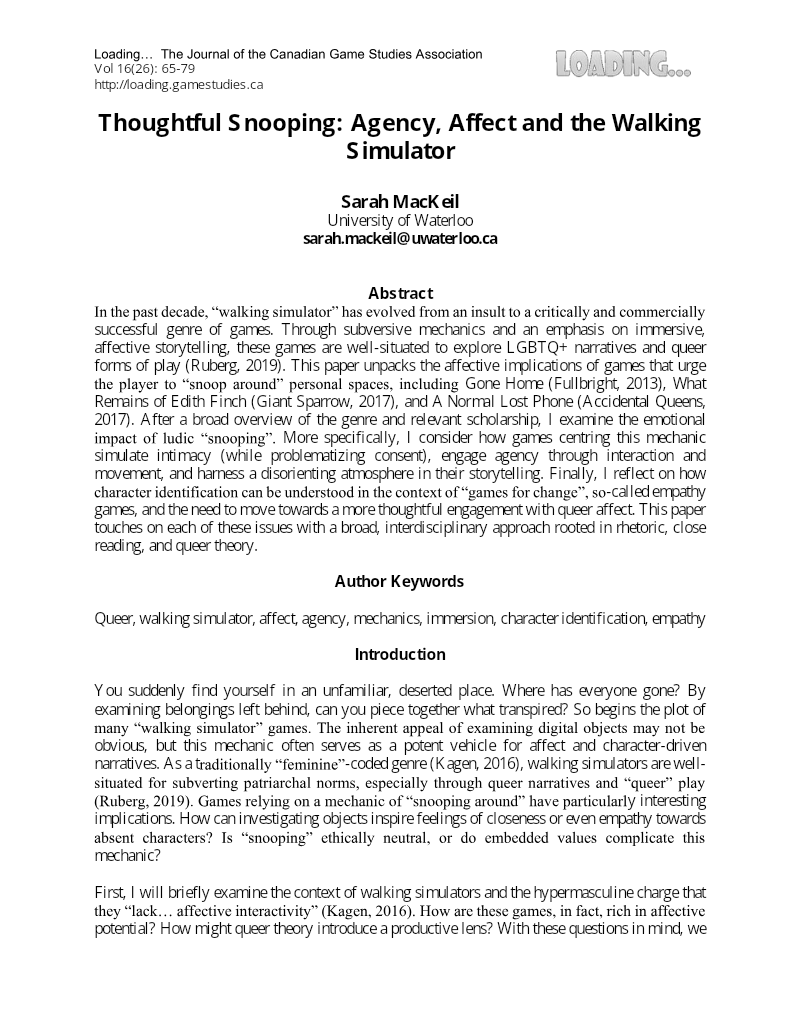
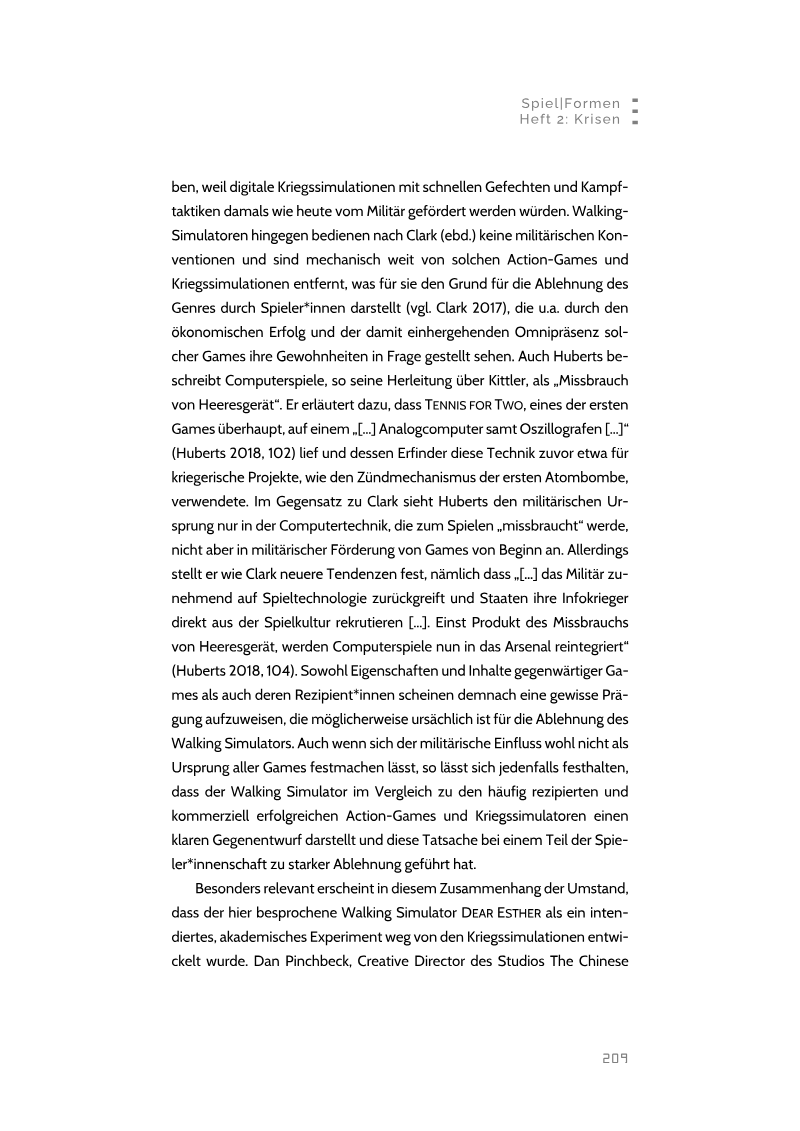
The narrative complexity of video games is often assumed to be higher in genres that prioritize storytelling over mechanical challenge, such as walking simulators. However, an analysis of thirty critically acclaimed titles across six distinct genres reveals that integrative complexity—a linguistic metric measuring the differentiation and integration of perspectives—is distributed evenly across the industry. Statistical testing via one-way ANOVA confirms that no single genre holds a monopoly on sophisticated narrative structure, indicating that high-quality writing is a pervasive feature rather than a niche characteristic of exploration-focused games.
This study covers a diverse range of mainstream and specialized video game genres, evaluating their linguistic output to determine if narrative depth correlates with specific design philosophies. By applying Automated Integrative Complexity (AutoIC) to these titles, the research challenges the prevailing industry assumption that walking simulators inherently possess superior narrative architecture compared to more action-oriented or traditional genres. The findings suggest that while walking simulators offer a unique player experience, their appeal is rooted in non-violent gameplay and an emphasis on exploration rather than a measurable advantage in textual complexity.
Ultimately, the research concludes that narrative excellence is a versatile element of game design that transcends genre boundaries. By grounding this analysis in established psychological frameworks and academic discourse, the study provides a robust perspective on how storytelling functions within interactive media. These results encourage a broader appreciation for narrative quality across the gaming landscape, suggesting that developers and critics should look beyond genre labels when evaluating the intellectual and literary contributions of modern video games.
Press Start · 2026
Press Start · 2026
Press Start · 2026
Press Start · 2026
Press Start · 2026
Press Start · 2026
Press Start · 2026
Press Start · 2026
Press Start · 2025
Press Start · 2025
Press Start · 2025
Press Start · 2024
Spiel|Formen · 2021