More on Game Design
View all


Whitepaper
Toward Ludic Gerontechnology: A Review of Games for Dementia Care
DiGRA · 2016
Whitepaper
Evaluating Interactive Entertainment Using Breakdown: Understanding Embodied Learning in Video Games
DiGRA · 2009

Two & a Half Gamers
🎮 Playable Trends: The Playable that NEVER ends
Two & a Half Gamers · 2026

Extra Credits
Reinstalling: Portal! | Design Club
Extra Credits · 2026

PocketGamer.biz
Block Blast Hit 300M Players — And Kills 95% of Ideas
PocketGamer.biz · 2026

Extra Credits
The First Hour: Blue Prince | Design Club
Extra Credits · 2026
Two & a Half Gamers
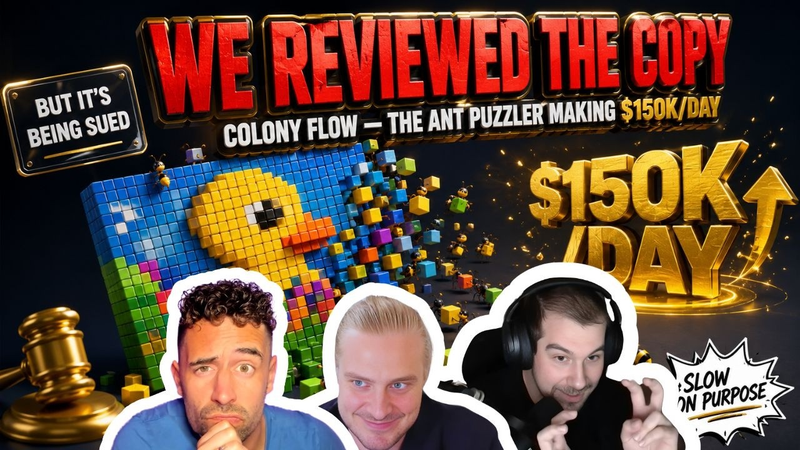
🐜 Colony Flow Breakdown: The Ant Puzzler getting sued & already taken DOWN from Android!
Two & a Half Gamers · 2026
Report
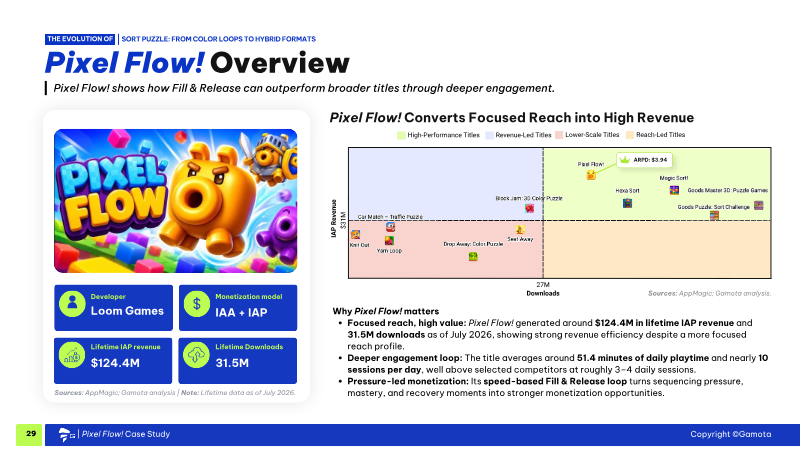
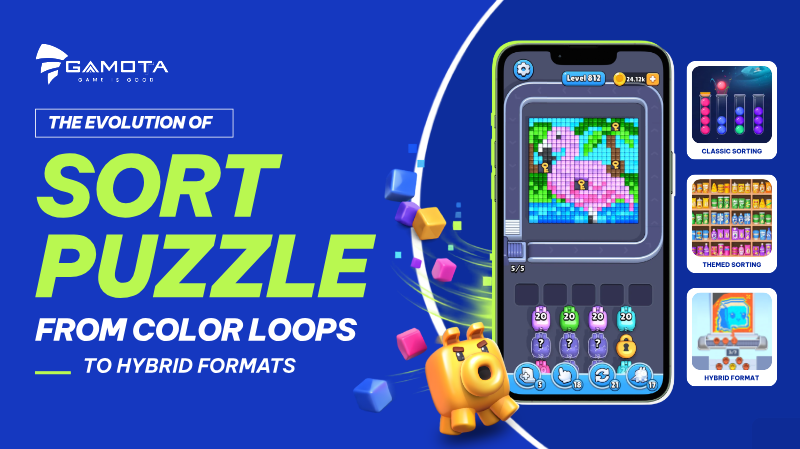
The Evolution of Sort Puzzle: From Color Loops to Hybrid Formats
Gamota · 2026

Naavik
Why Healthcare Is Gaming’s Next Trillion-Dollar Market
Naavik · 2026
Extra Credits
Leveling Up your Game Literacy | Design Club
Extra Credits · 2026

Two & a Half Gamers
Sandloop review: It looks simple. That’s the point.
Two & a Half Gamers · 2026
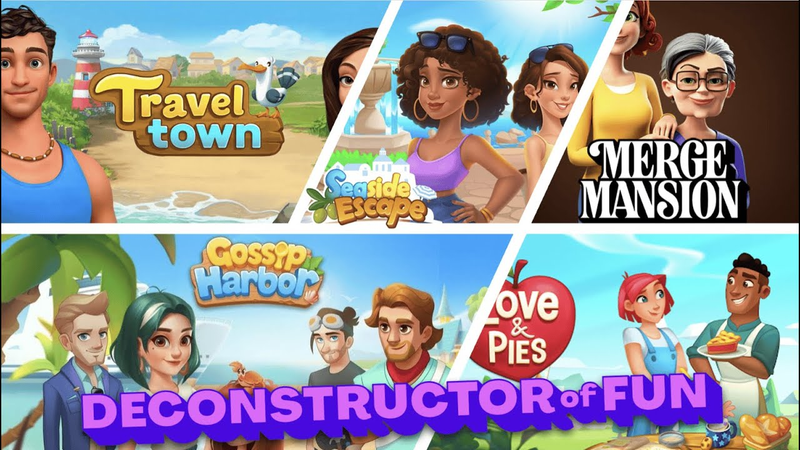
Deconstructor of Fun
What Makes Merge 2 Games So Popular in 2025?
Deconstructor of Fun · 2025