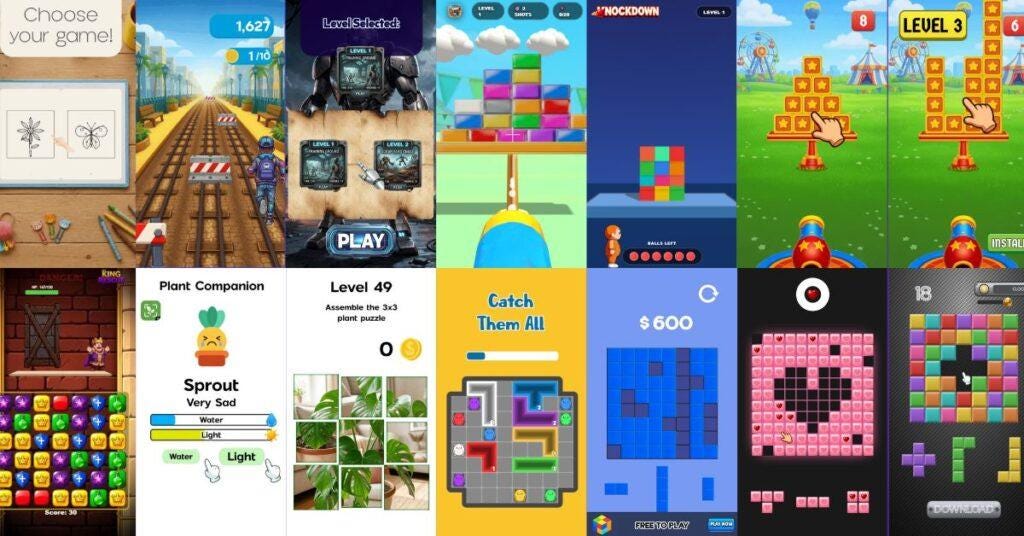
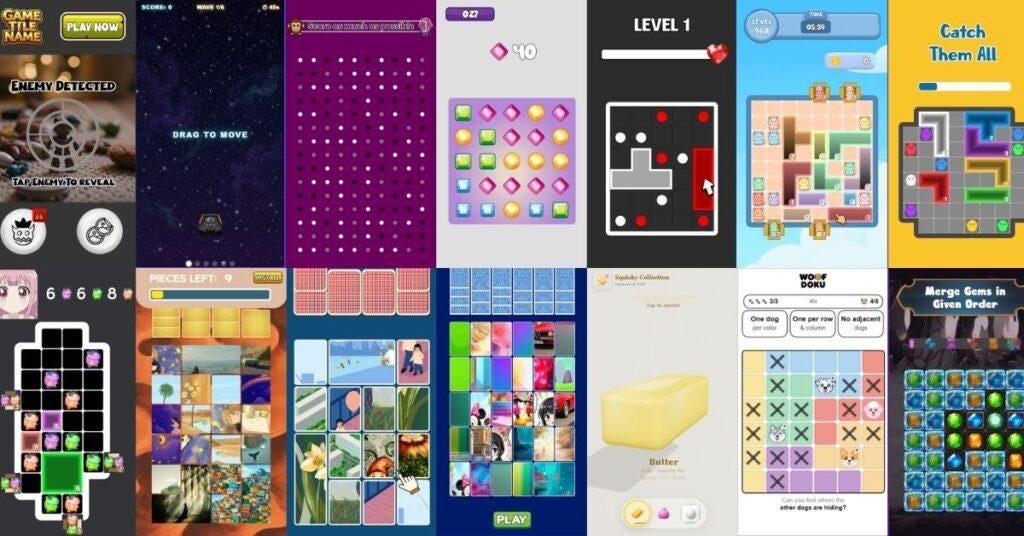
The hybrid-casual mobile gaming sector represents a significant growth opportunity, evidenced by five billion downloads in 2022. These titles merge the low-friction onboarding and simple mechanics of hyper-casual games with the deep progression and monetization systems of mid-core titles. A successful hybrid-casual strategy typically targets a revenue profile where 40-50% of income is driven by in-app purchases (IAP), with the remainder coming from ad revenue (IAA). This balance allows user acquisition (UA) managers to leverage blended Return on Ad Spend (ROAS) campaigns that optimize for both purchase events and ad-based value.
Effective UA channel management depends on budget scale and platform-specific strengths. Facebook is recommended for smaller budgets due to its robust targeting data, while TikTok offers lower Cost Per Install (CPI) through programs like the TikTok Creative Challenge. For larger scales, Google Ads—integrated with Firebase—unlocks advanced tROAS capabilities. High-performing campaigns also utilize AppLovin and Unity, particularly through AdROAS and blended ROAS models. On iOS, a minimum threshold of 88 daily installs per campaign is suggested to mitigate data loss from null conversions, while Android campaigns should prioritize value-based optimization.
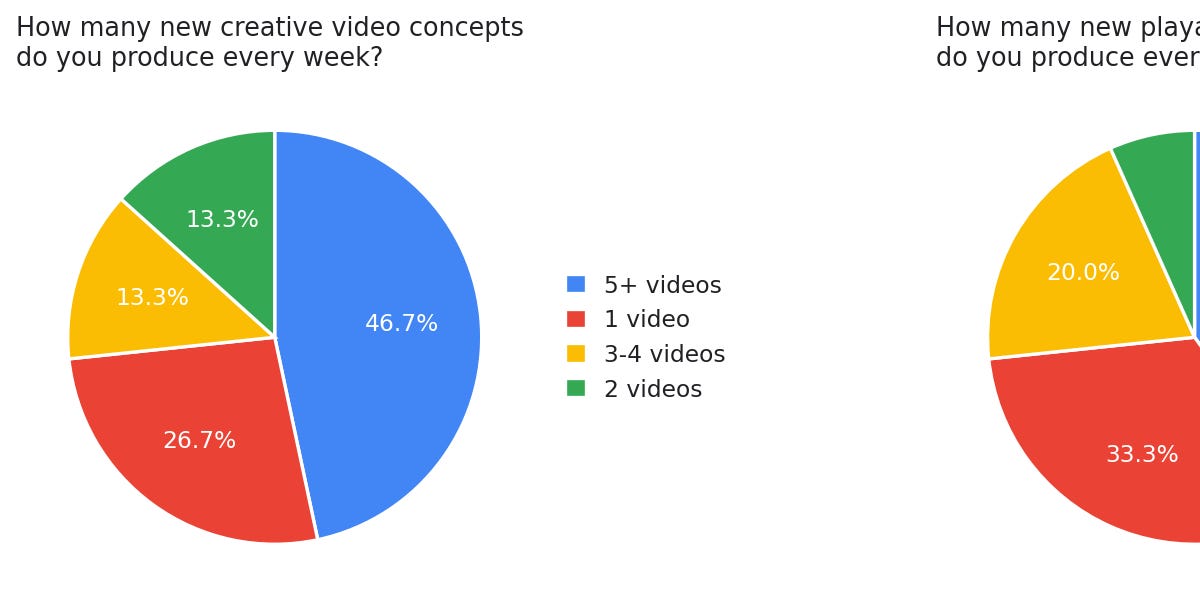
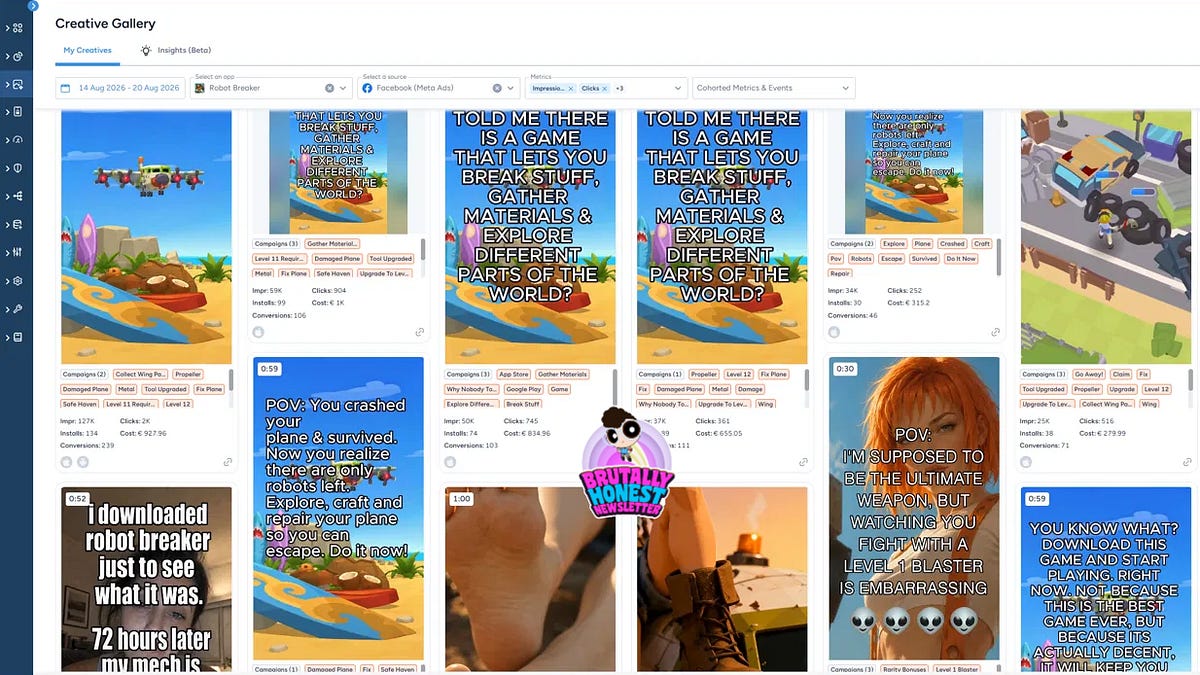
Creative strategy is the primary driver of performance, requiring constant iteration to combat fatigue. Successful tactics include utilizing "hooks" in the first three seconds of video, experimenting with AI tools like Midjourney for static concepts, and deploying User Generated Content (UGC) to build authenticity. While some developers use "fake ads" to lower CPI, the most sustainable approach involves aligning creative assets with actual gameplay to maintain user quality. The ultimate goal is to achieve the "hybrid" ideal: capturing the low CPIs characteristic of hyper-casual games while maintaining the high lifetime value (LTV) associated with mid-core depth.