This technical guide provides a comprehensive overview of Unity LevelPlay, a mobile ad mediation platform originally developed by ironSource. The primary objective is to instruct mobile developers and publishers on how to configure, manage, and optimize ad revenue through the platform. The scope focuses on the global mobile gaming market, specifically addressing integration for apps built within the Unity ecosystem and providing strategic advice for both Android and iOS platforms.
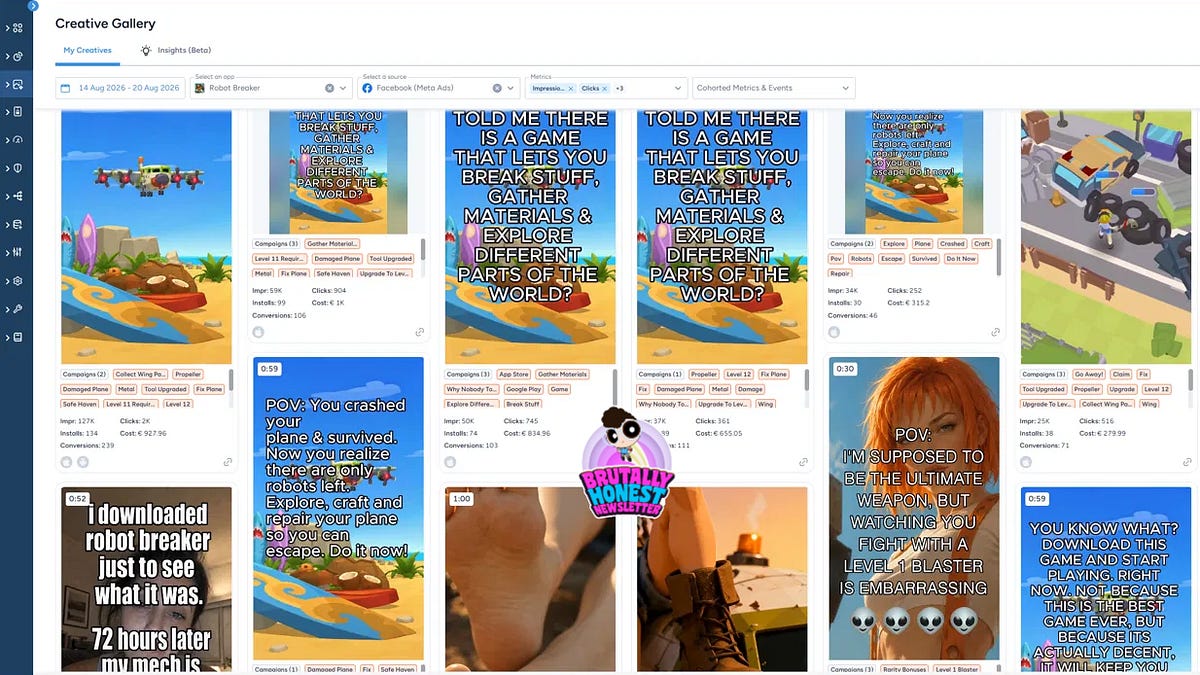
The analysis highlights several key advantages of LevelPlay, including its superior data manipulation dashboard, high eCPM performance for rewarded video and interstitial ads, and a robust creative review tool for monitoring ad quality. Conversely, the findings suggest that banner performance often lags behind competitors, and the aggressive nature of video end cards can negatively impact user retention. Strategic recommendations include setting banner refresh rates to 15 seconds to balance impressions per daily active user (IMP/DAU) with retention, and maintaining between four and five ad networks for apps earning up to $1,000 daily.
Methodologically, the guide emphasizes data-driven optimization using Share of Voice (SoV) and Share of Wallet (SoW) metrics. It advises that bidder networks should ideally contribute at least 5% of total revenue, while non-bidding instances should be adjusted if they fall below a 1% threshold. The guide also details the use of A/B testing for waterfall optimization, recommending test periods of five to ten days to ensure statistical significance. Key performance indicators identified for monitoring include Daily Engaged Users (DEU), Average Revenue per Engaged User (ARPDAEU), and Engagement Rate. Professional tips conclude the analysis, suggesting the use of the Ad Quality tool for user acquisition inspiration and leveraging the AdMob SDK to access Google Ad Manager demand without additional integration.