
Modern Times Group’s 2013 annual report presents a comprehensive picture of a media company in the midst of a strategic transformation aimed at “eradicating boredom globally.” The narrative emphasizes rapid scaling—over 4,000 employees operating in roughly 40 countries across four continents—and a content output of 880,000 broadcast hours, roughly twice that of its main European competitor. Expansion into emerging markets is a central theme, with new channels launched in the Czech Republic and Tanzania, the acquisition of Bulgaria’s Net Info, entry into Turkey, and further take‑overs in Norway, Latvia, Sweden and Denmark, underscoring a deliberate push to diversify geographic revenue streams.
Financially, the report details a disciplined governance framework and solid capital structure. Equity movements show a stable share‑premium of SEK 338 million and a fair‑value capital reserve of SEK 267 million, while the board proposes a cash dividend representing a notable percentage of net income. Variable remuneration is capped at 75 % of base salary, and a long‑term incentive plan granted 373,337 Class B shares, aligning executive interests with shareholder value. Debt positions and market‑risk exposures—interest‑rate, credit and currency—are disclosed with KPMG’s unqualified audit opinion confirming the fairness of the statements.
The board composition, dominated by independent non‑executive directors with extensive media, telecom and finance experience, reinforces oversight through dedicated audit, remuneration and corporate‑responsibility committees. This structure, together with an internal audit function reporting directly to the audit committee, supports robust risk‑management and internal controls.
Overall, the 2013 data illustrate a company that has successfully broadened its global footprint, strengthened its financial base, and instituted rigorous governance, positioning MTG for continued growth despite anticipated competitive pressures in key markets such as the Czech Republic.
Modern Times Group · 2026
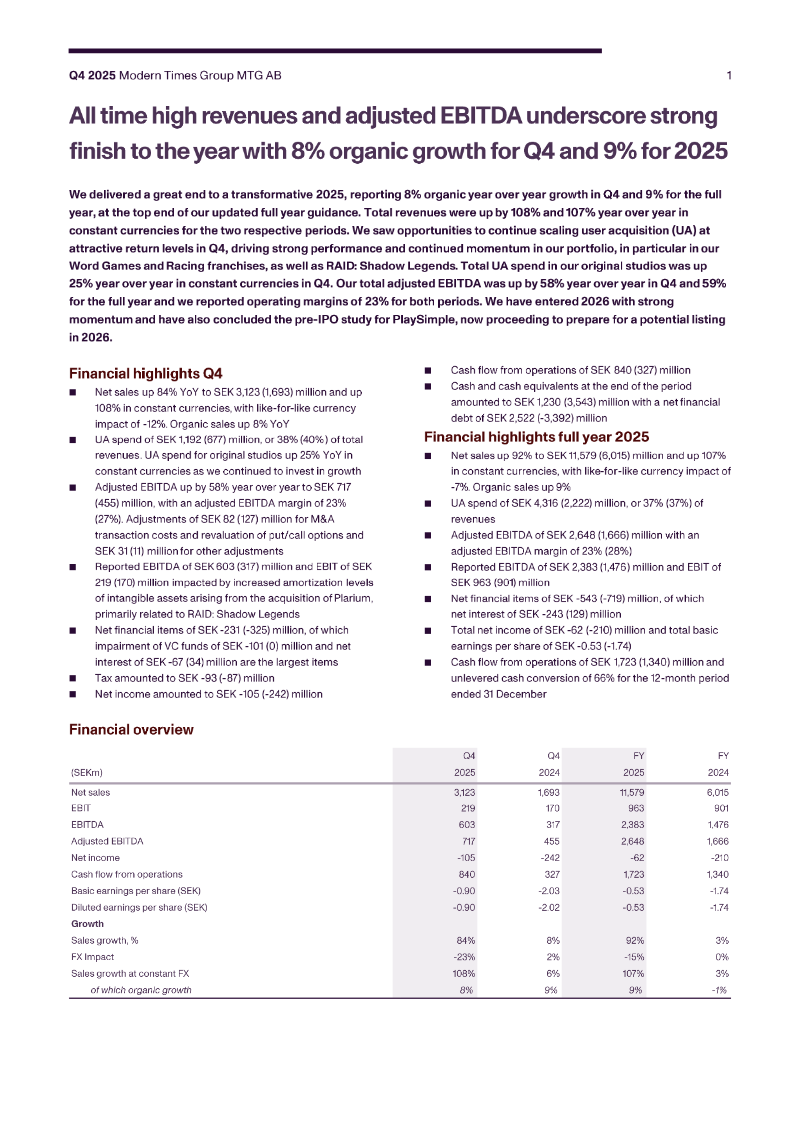
Modern Times Group · 2026
Modern Times Group · 2025
Modern Times Group · 2025
Modern Times Group · 2025
Modern Times Group · 2023
Modern Times Group · 2019
Modern Times Group · 2019
Modern Times Group · 2018
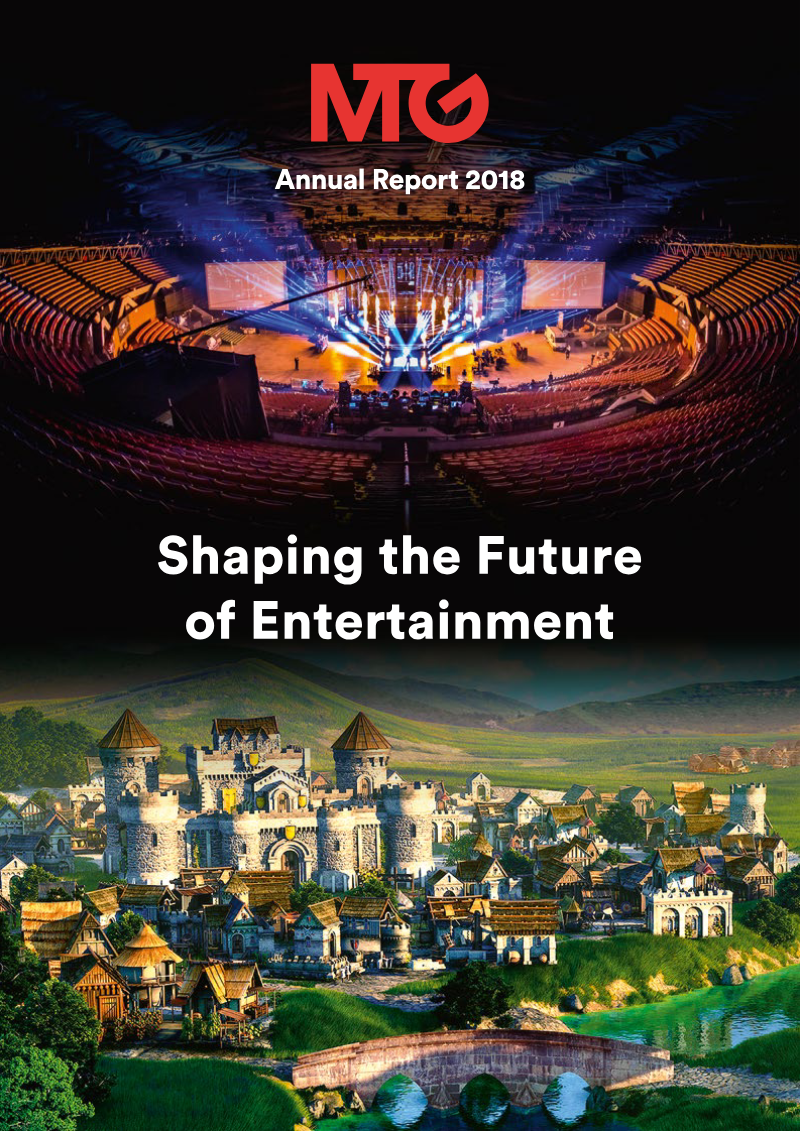
Modern Times Group · 2018

Modern Times Group · 2017
Modern Times Group · 2017

Modern Times Group · 2016

Thunderful · 2025
Enad Global 7 AB · 2024
Stillfront · 2022
Modern Times Group · 2014
Modern Times Group · 2012
Modern Times Group · 2011
Modern Times Group · 2008
Coffee Stain Group AB
Modern Times Group
Embracer Group AB
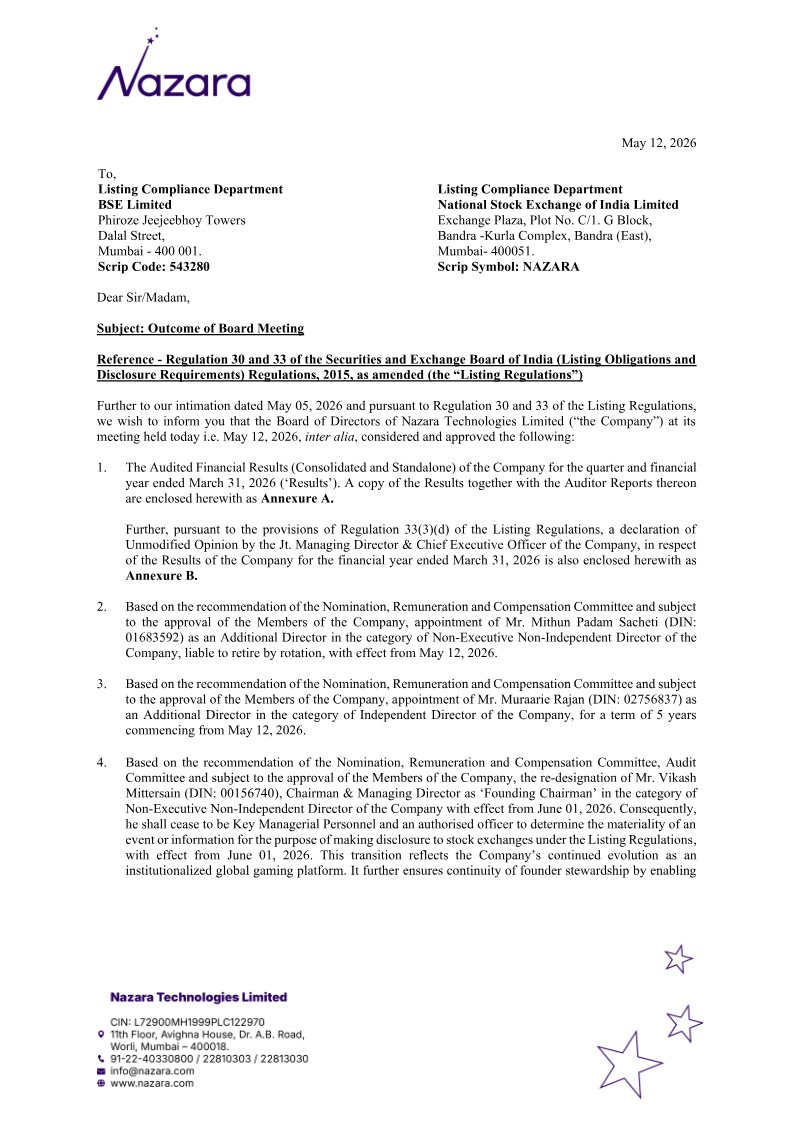
Nazara Technologies · 2026