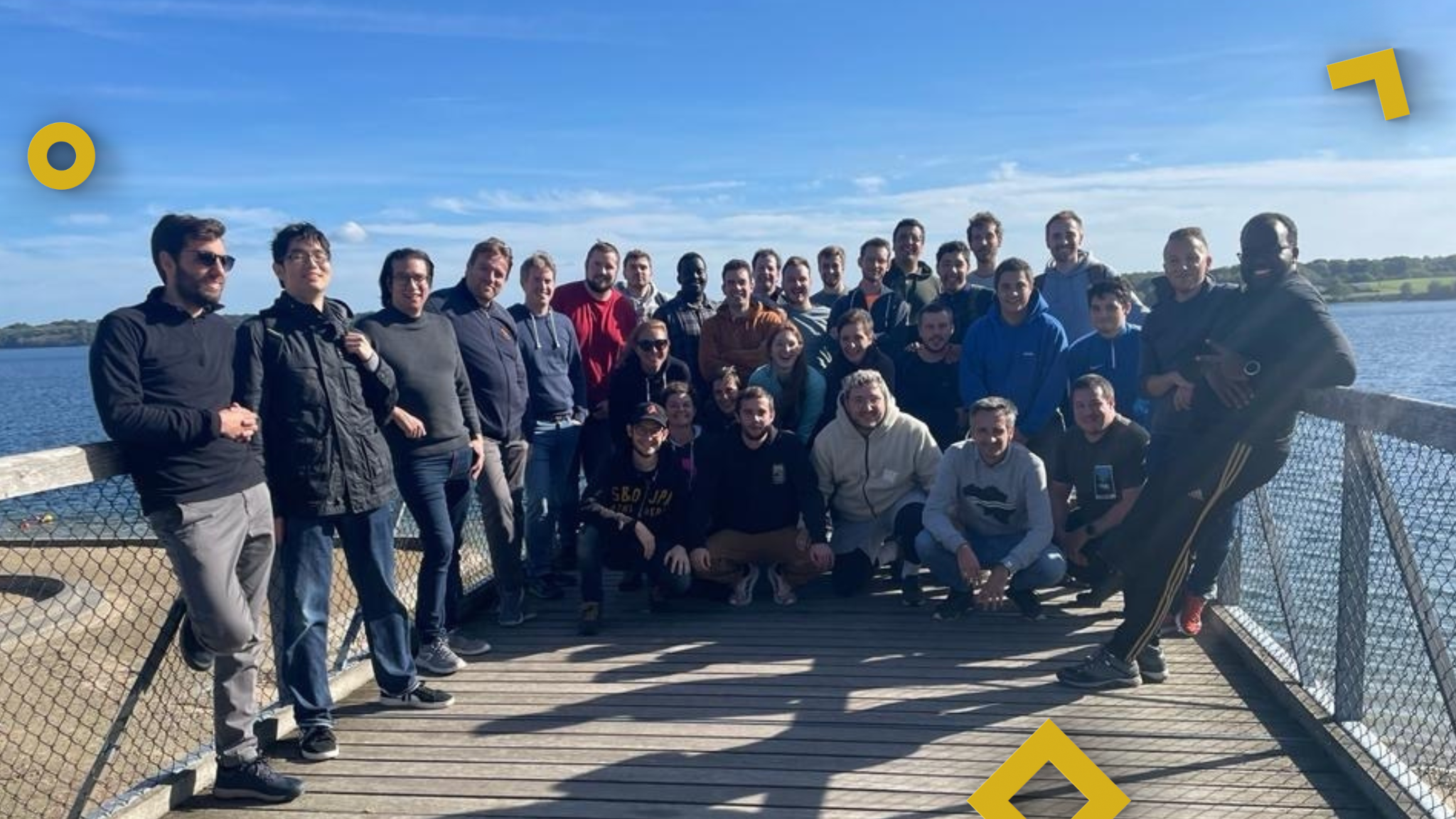
The Club Committee serves as an internal employee-led initiative at Sparkers, a company specializing in entertainment data and market insights. Established in late 2019, the committee’s primary purpose is to foster workplace culture and strengthen interpersonal connections among staff through the organization of diverse team-building activities. By providing a social outlet distinct from daily professional responsibilities, the committee aims to enhance employee engagement and morale across the company’s various offices.
The committee typically consists of six to nine volunteer members who manage a range of events, from informal office after-work gatherings to large-scale, multi-day retreats. Notable past initiatives include a 24-hour off-site excursion in Belgium, which featured professional team-building exercises and collaborative workshops, and digital events designed to bridge the gap between geographically dispersed teams. Planning timelines for these events vary significantly based on complexity; while simple social gatherings require only a few weeks of preparation, major events like the annual Christmas party or off-site retreats necessitate several months of coordination, including venue booking and logistical alignment.
The committee operates with a flexible, informal structure, welcoming new members without a formal application process. By offering a creative and collaborative environment that operates outside the pressures of client deadlines or technical bug fixes, the committee provides its members with a unique opportunity to contribute to company culture while diversifying their own professional experiences. Future objectives include continuing the tradition of annual holiday celebrations and exploring new locations for company-wide retreats to maintain high levels of internal cohesion.
The primary purpose of this profile is to highlight the role of a Data Management Agent within Sparkers, a company specializing in entertainment and gaming market data. The narrative serves as an internal look at the operational workflows involved in data enrichment, emphasizing the technical and linguistic requirements necessary to maintain high-quality, accurate market insights for global territories.
The core function of a Data Management Agent involves the systematic enrichment of sales data, ensuring that information received from various markets is accurate, well-presented, and ready for client use. The workflow is dynamic, fluctuating based on market sale volumes and requiring close collaboration between agents and analysts. The scope of this work is international, covering diverse regions such as Italy, Russia, Spain, and Portugal. The process relies on a combination of technical training, such as web development skills, and linguistic proficiency to navigate and process market-specific data efficiently.
The analysis underscores that data quality is the paramount objective for the organization. By maintaining a rigorous standard for data presentation and accuracy, the team supports the broader mission of providing actionable market intelligence. The profile also reflects the company culture, noting that the workforce is largely composed of video game enthusiasts, which fosters a collaborative and transparent environment. This internal perspective illustrates how individual roles contribute to the broader goal of delivering reliable entertainment data to stakeholders.
The weekly briefing delivers a concise snapshot of recent developments across the global gaming landscape, focusing on corporate moves, product launches, regulatory actions, and new releases. A key headline notes the merger of Maze Theory with Pluto Digital to create Emergent Entertainment PLC, valuing the entity at over $65 million and positioning it for a forthcoming IPO. Sony’s introduction of the Mocopi motion‑tracking kit, priced at £300 and featuring six wearable sensors, is highlighted as a new tool for animating avatars in real‑world settings. PlayStation’s expansion of its tournament feature to PS5, with titles such as FIFA 23 and NBA 2K23, signals a renewed emphasis on competitive play.
Regulatory attention is underscored by Australian MP Andrew Wilkie’s proposed loot‑box legislation, which would impose R18+ ratings or denial of rating for games containing such mechanics and require parental warnings. A Newcastle‑Loughborough University report reinforces this stance, citing financial and emotional harm to children from loot‑box spending. In the EU, a non‑binding resolution seeks increased investment in gaming, recognition of esports as a distinct industry, and support for small studios.
The briefing also lists new releases from late November to early December 2022, covering a range of genres and platforms—from Metroidvania titles like The Knight Witch to first‑person shooters such as Warhammer 40,000: Darktide. Microsoft’s ongoing Activision Blizzard acquisition review is noted, with a potential concession guaranteeing Call of Duty availability on PlayStation for ten years. Overall, the document provides a snapshot of corporate strategy, regulatory trends, and product pipelines shaping the industry during this period.