Institute of Digital Games
The Institute of Digital Games is an organization that conducts research and publishes reports on various aspects of digital games, including procedural content generation and cultural appropriation.
Documents
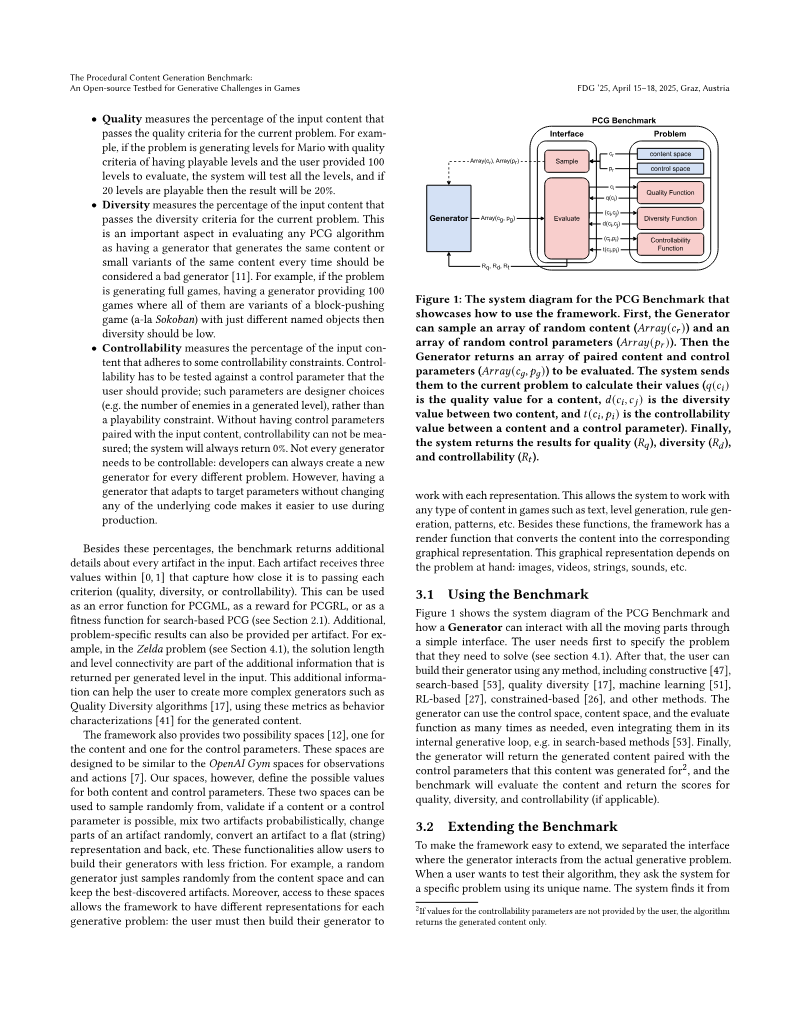
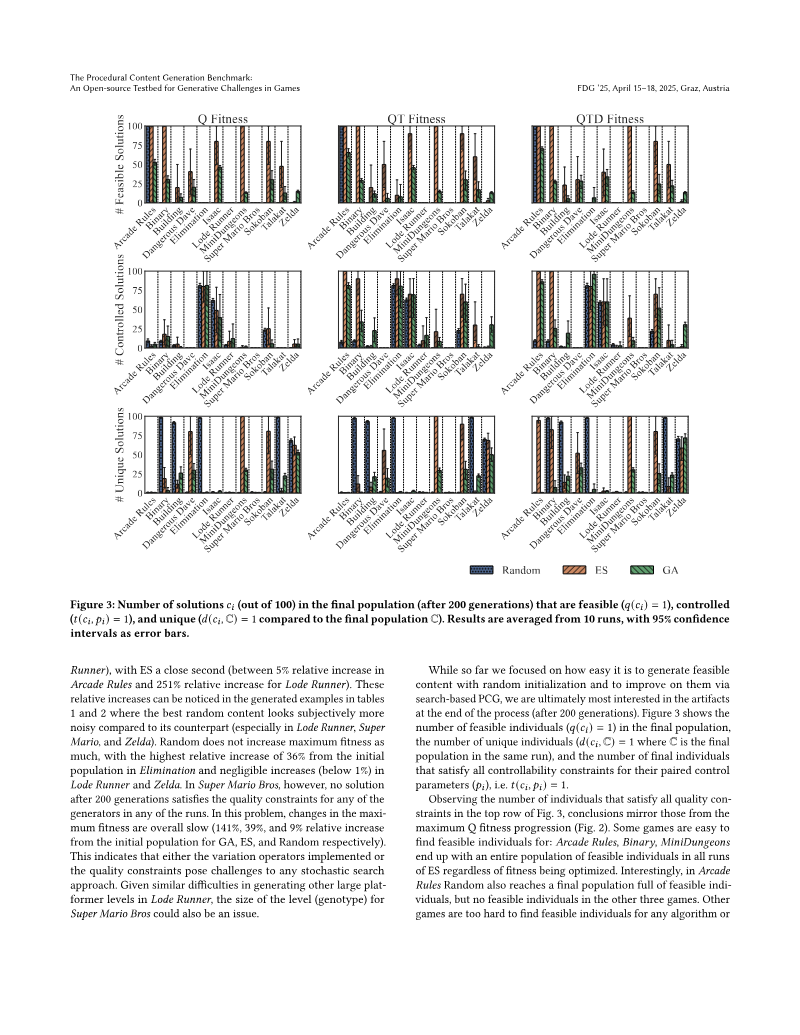
The Procedural Content Generation Benchmark: An Open-source Testbed for Generative Challenges in Games
The Procedural Content Generation (PCG) Benchmark establishes a standardized, open-source framework to address the historical lack of unified evaluation protocols in game artificial intelligence.
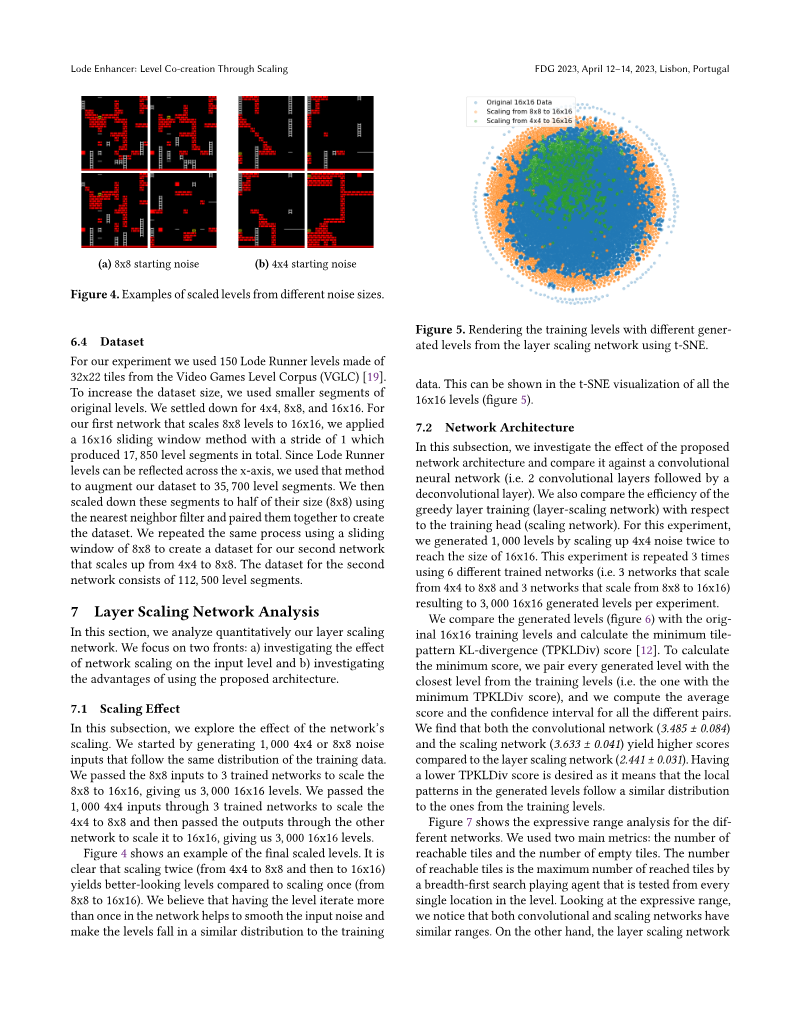
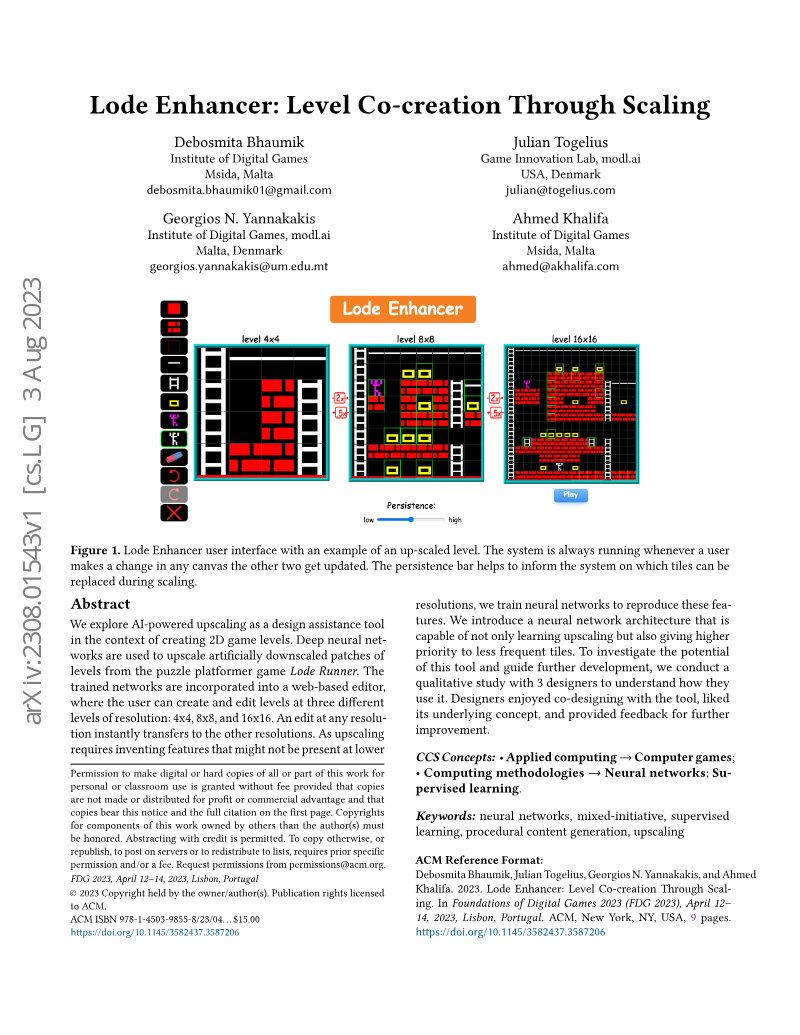
Lode Enhancer: Level Co-creation Through Scaling
Lode Enhancer functions as a mixed-initiative design tool designed to streamline the creation of Lode Runner levels through neural network-driven upscaling.
- Lode Enhancer utilizes a neural network-driven mixed-initiative design tool to upscale low-resolution Lode Runner level segments into playable, high-resolution maps.
- The system employs a specialized layer-scaling neural network architecture designed to capture both micro-patterns and macro-patterns inherent in classic level design.
- A built-in persistence module allows designers to maintain granular control over the balance between manual creative edits and AI-generated modifications.
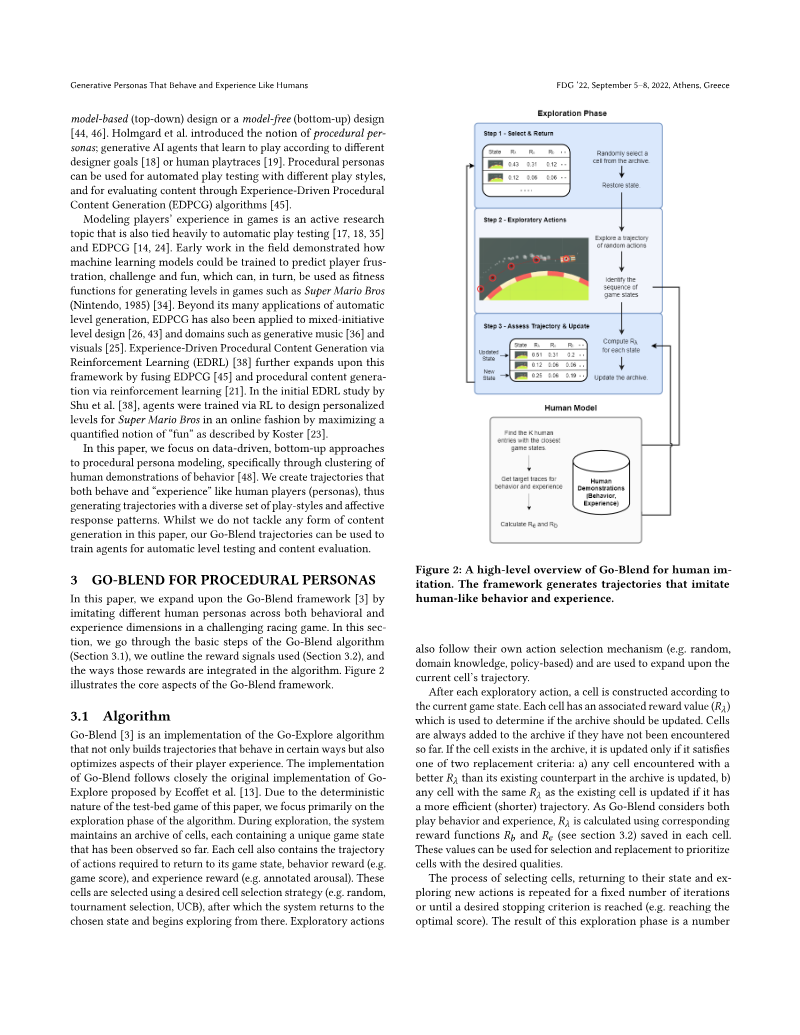
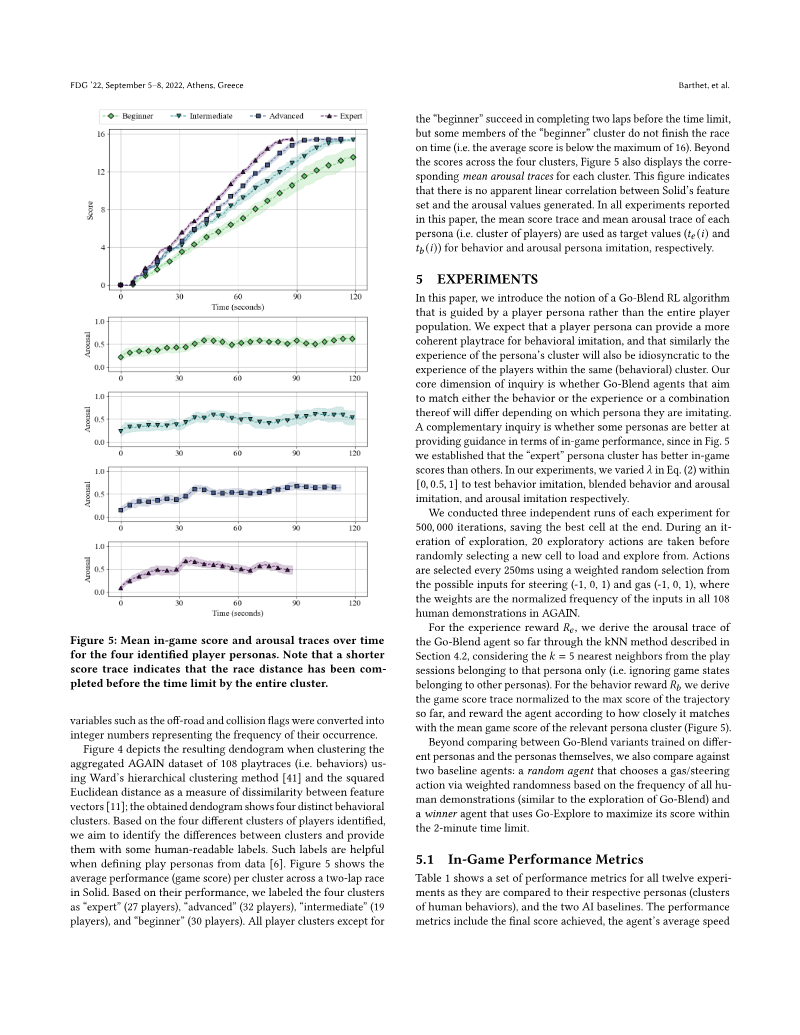
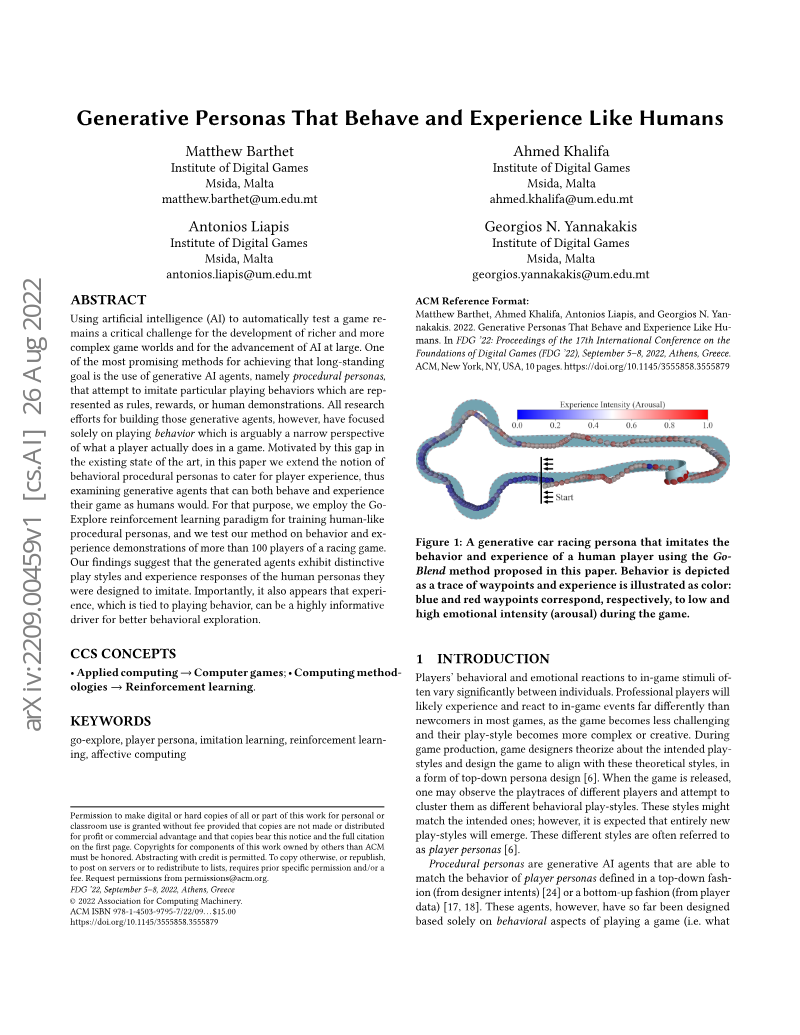
Generative Personas That Behave and Experience Like Humans
The Go-Blend framework advances automated game testing and procedural content generation by integrating reinforcement learning with human-centric behavioral and emotional modeling.
- The Go-Blend framework integrates reinforcement learning with human-centric emotional modeling to create AI agents that replicate both performance metrics and affective responses.
- By utilizing the Go-Explore algorithm and a dataset of over 100 human playtraces, the framework moves beyond mechanical efficiency to simulate the idiosyncratic nature of human play.
- Hierarchical clustering of the AGAIN dataset successfully identified and modeled four distinct player personas: Beginner, Intermediate, Advanced, and Expert.
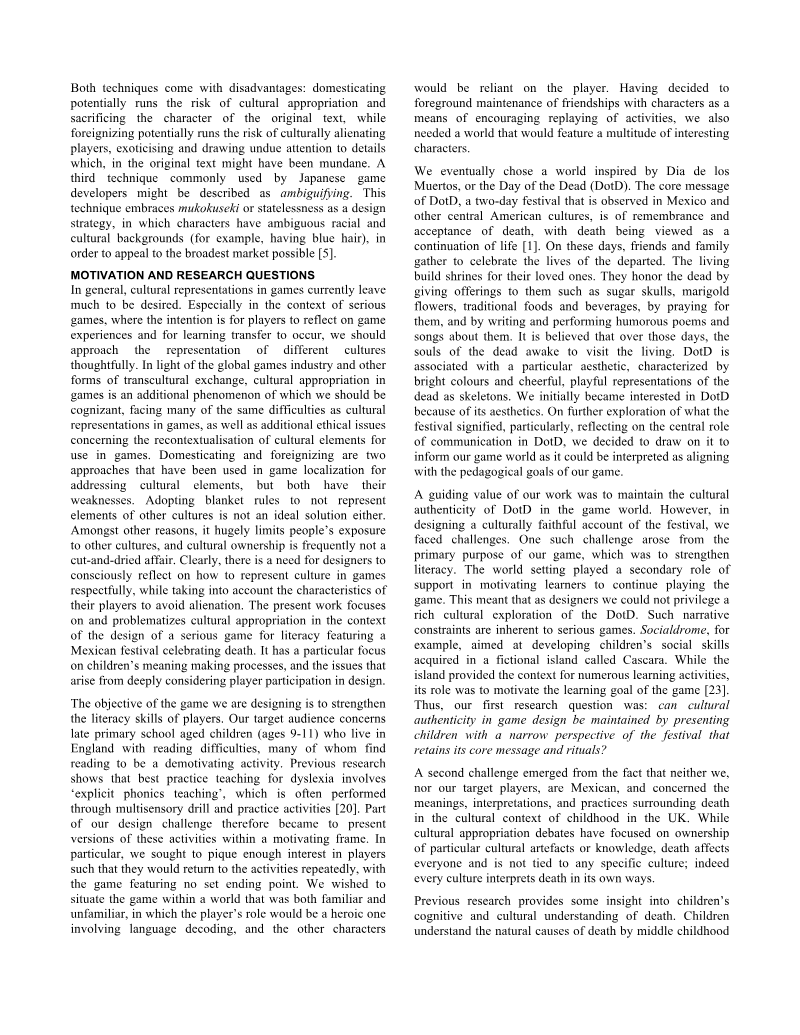
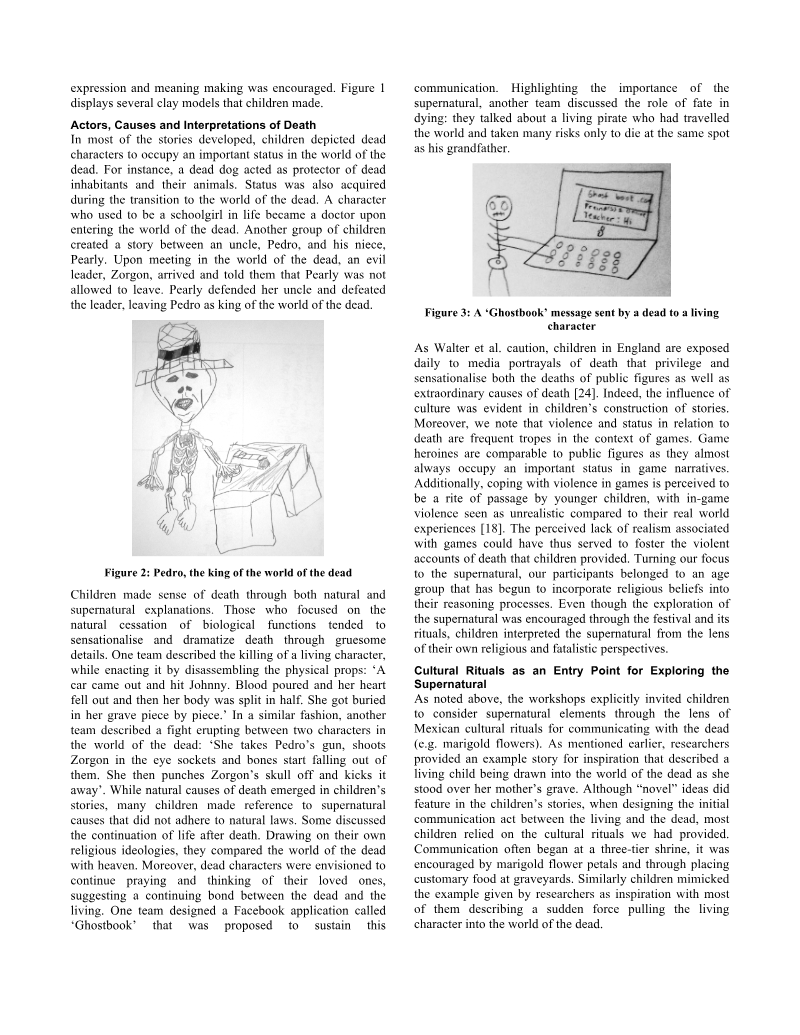
Problematizing Cultural Appropriation
Cultural appropriation in game design represents an unavoidable ethical challenge that requires designers to balance pedagogical objectives with the preservation of cultural authenticity.
- Designers must shift from attempting to eliminate cultural reinterpretation to adopting a more informed and sensitive design practice, as cultural appropriation is an inherent byproduct of cross-cultural interaction.
- Children aged nine to eleven do not passively consume cultural frameworks but actively synthesize them with their own existing tropes, such as religious fatalism, violence, and social status.
- Meaning in games is a hybrid product formed by the designer’s intent and the player’s personal, media-influenced background.
Do you work at Institute of Digital Games? Get a free report of how these documents are read and cited here.