Hokkaido University
3 reports, presentations and talks by Hokkaido University in the Game Industry Library, the newest “The Detrimental Effects of Punishment and Reward on Cooperation in the Industrial Waste Illegal Dumping Game” (2019).
Documents
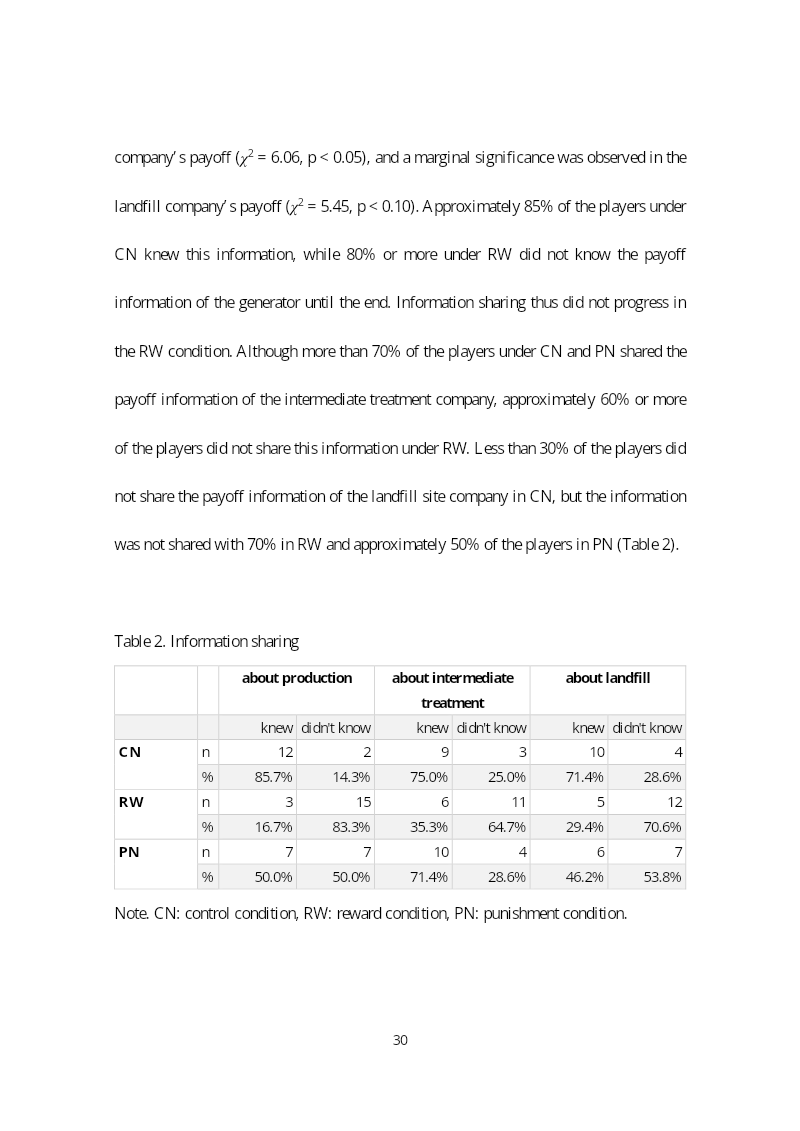
The Detrimental Effects of Punishment and Reward on Cooperation in the Industrial Waste Illegal Dumping Game
The Industrial Waste Illegal Dumping Game serves as a critical simulation to evaluate how regulatory interventions influence cooperative behavior within complex, interdependent industrial networks.
- External reward and punishment systems in the Industrial Waste Illegal Dumping Game frequently trigger non-cooperative behaviors that destabilize the waste management ecosystem.
- Reward-based incentives often increase illegal dumping by prioritizing individual profit acquisition over legal compliance among waste generators, treaters, and landfill operators.
- Mutual punishment mechanisms are ineffective due to the difficulty of surveillance and the delayed nature of consequences within complex industrial networks.
Persuasion Game: Cross-Cultural Comparison
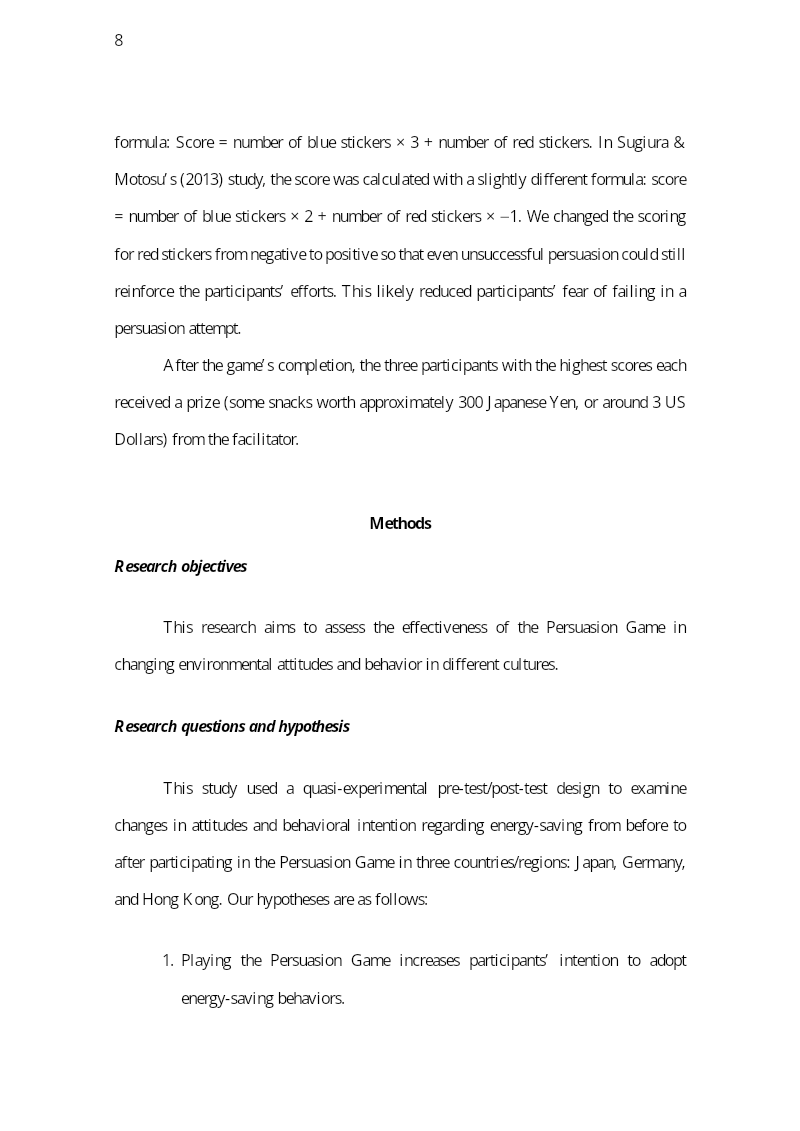
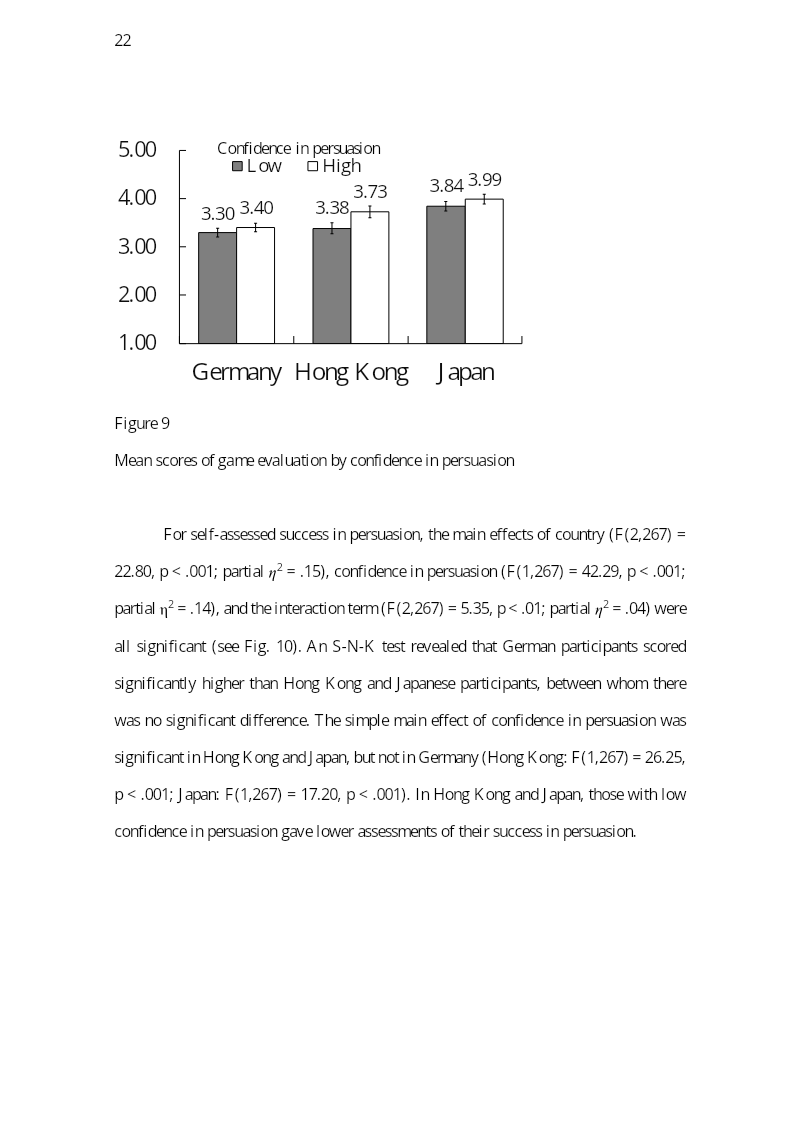
The Persuasion Game functions as a highly effective pedagogical tool for fostering environmental consciousness and encouraging energy-saving behaviors among university students.
- The Persuasion Game effectively mitigates pluralistic ignorance by normalizing sustainability discourse, allowing students to align personal environmental values with social interactions.
- Cross-cultural studies in Germany, Hong Kong, and Japan demonstrate that the game consistently increases both behavioral intentions and the perceived seriousness of environmental issues.
- Japanese participants, who initially reported the lowest confidence and frequency in environmental communication, experienced the most significant shifts in subjective norms after playing.
Universal Game Based on Traditional Children's Outdoor Games: Japan
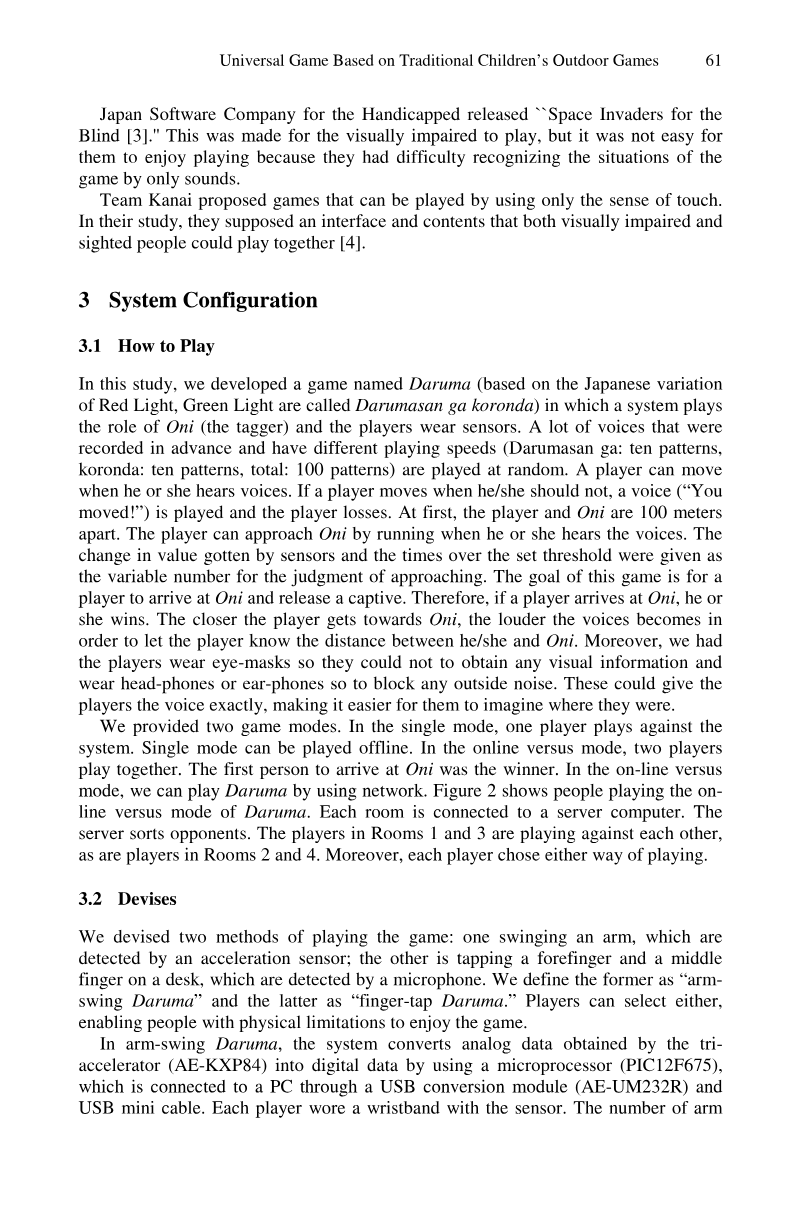
The development of a universal game, titled Daruma, aims to provide an inclusive gaming experience that accommodates individuals with physical limitations by adapting traditional children’s outdoor activities.
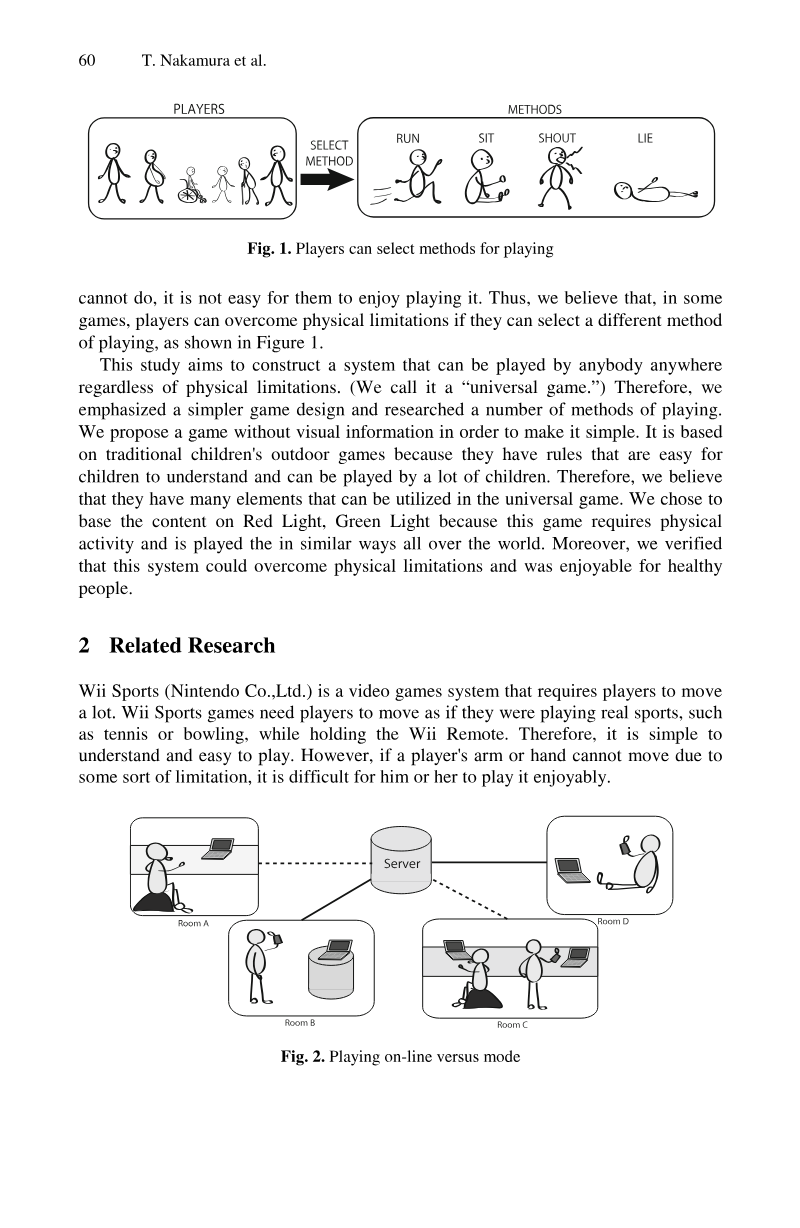
- The 'Daruma' project successfully adapted the Japanese game 'Red Light, Green Light' into a digital format that removes reliance on visual information to support users with physical and visual limitations.
- The system offers two flexible input methods—arm-swinging via acceleration sensors or finger-tapping via microphone—which experimental evaluations found to be equally viable for performance and user enjoyment.
- In testing with healthy participants using eye-masks to simulate visual impairment, 100% of respondents reported enjoying the experience and expressed a desire to play again.
Do you work at Hokkaido University? Get a free report of how these documents are read and cited here.