ReportSensor Tower
The State of OTT Advertising in the U.S.: An Analysis of OTT Ad Spending Trends and Top Advertisers
202331 pages~22 min full read
Over the course of late 2021 through 2022, the United States Over-the-Top (OTT) advertising market solidified its position as a critical component of the digital landscape, averaging $3.26 billion in quarterly expenditures. This investment represents nearly 15% of all digital advertising spend, signaling a maturation of the sector. While Financial Services previously led the market, Consumer Packaged Goods emerged as the primary spending category by mid-2022. Simultaneously, the automotive industry demonstrated aggressive expansion with a 74% year-over-year increase in ad spend, reflecting a broader trend of traditional industries pivoting toward streaming platforms to capture shifting consumer attention.
Platform dynamics reveal a competitive environment where established services and rising challengers cater to distinct demographics. Hulu and Peacock maintain a strong foothold among viewers under the age of 35, while Tubi has distinguished itself as the fastest-growing publisher, recording a 37% increase in ad revenue. This growth is mirrored by specific service sectors, particularly travel and food delivery, which utilized OTT to drive direct consumer actions. For instance, strategic campaigns from brands like Booking.com and UberEats resulted in measurable performance gains, such as significant spikes in mobile app installations following targeted high-spend periods.
The transportation and grocery sectors further illustrate the shift toward OTT-centric digital strategies. Companies like Turo now allocate more than half of their total digital budgets to streaming advertisements, while grocery delivery services saw a 14% year-over-year increase in investment. These trends underscore a broader industry conclusion: OTT has evolved from a secondary experimental channel into a primary driver for brand visibility and user acquisition across the American economy. As brands like United Airlines and Instacart dominate their respective niches, the ability to track creative impressions and seasonal spikes remains essential for navigating this high-growth advertising vertical.

Sensor Tower · 2026

Adjust · 2026

Sensor Tower · 2026

Sensor Tower · 2026

Sensor Tower · 2026
Sensor Tower · 2026
Sensor Tower · 2026

Sensor Tower · 2026

Sensor Tower · 2026

Sensor Tower · 2026

Sensor Tower · 2026

Sensor Tower · 2026

Mintegral · 2024
Sensor Tower · 2021
Competition · 2026
Gamesight · 2026
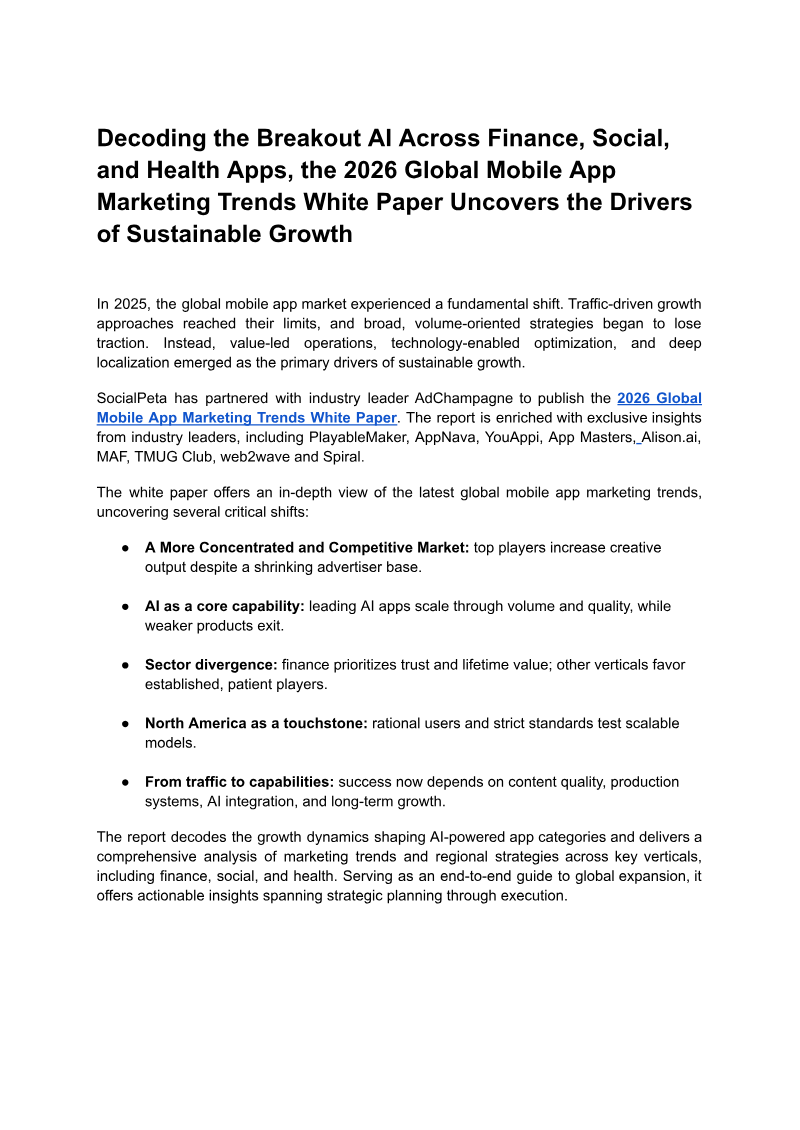
SocialPeta · 2026

SocialPeta · 2026

Anzu · 2026

Raptive · 2026
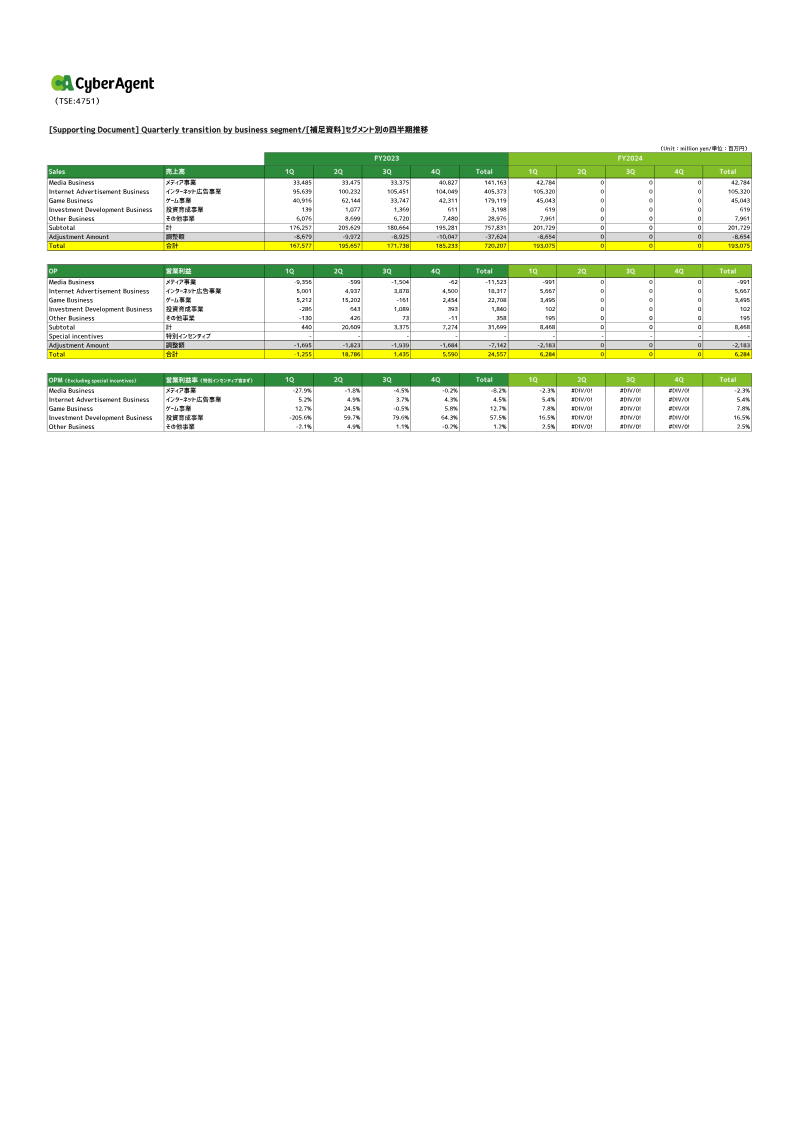
CyberAgent · 2026

Decision Lab · 2026

InvestGame · 2026
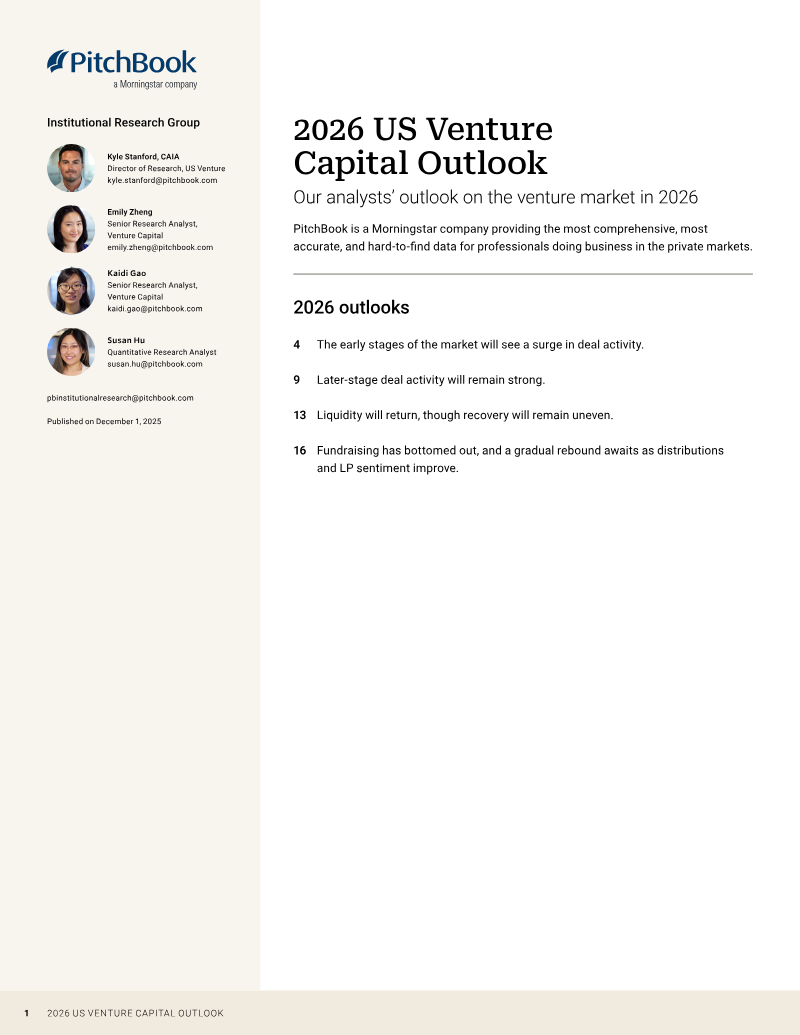
PitchBook · 2026