LegalPlayWay
Zawiązanie Septarian Games Sp. z o.o. z siedzibą w Warszawie: 2020
18 Jul 20201 pages~1 min full read
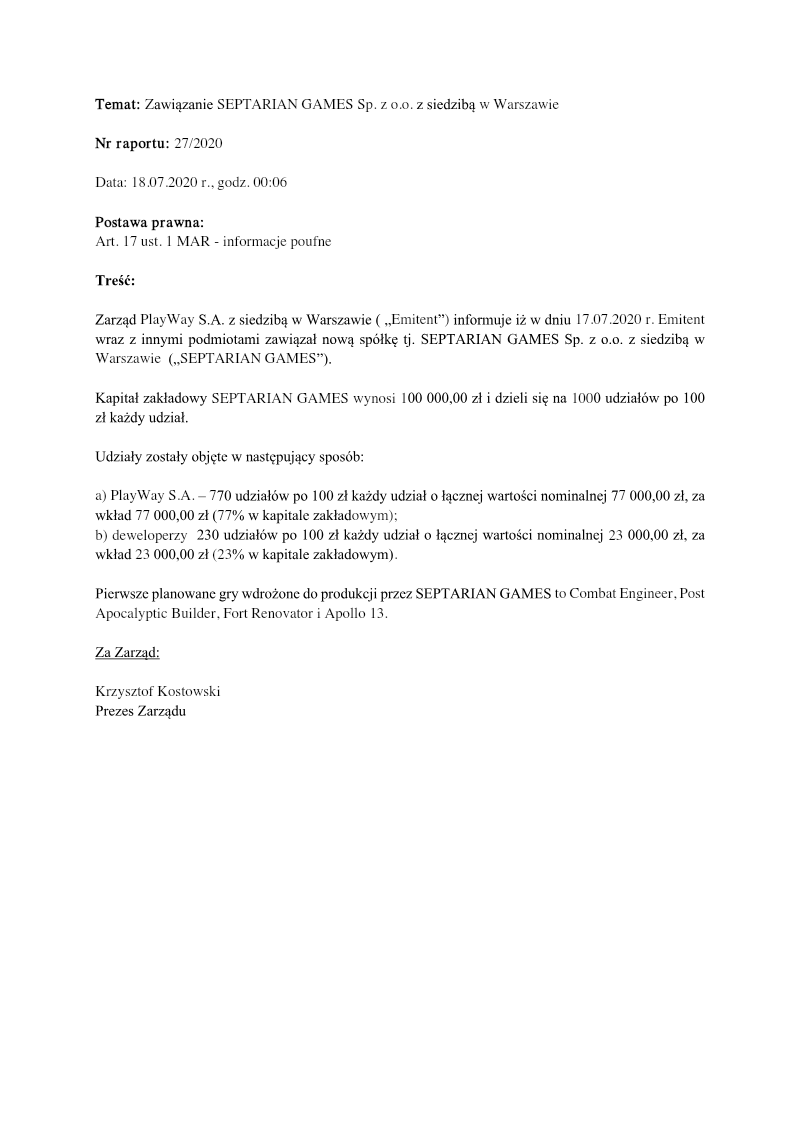
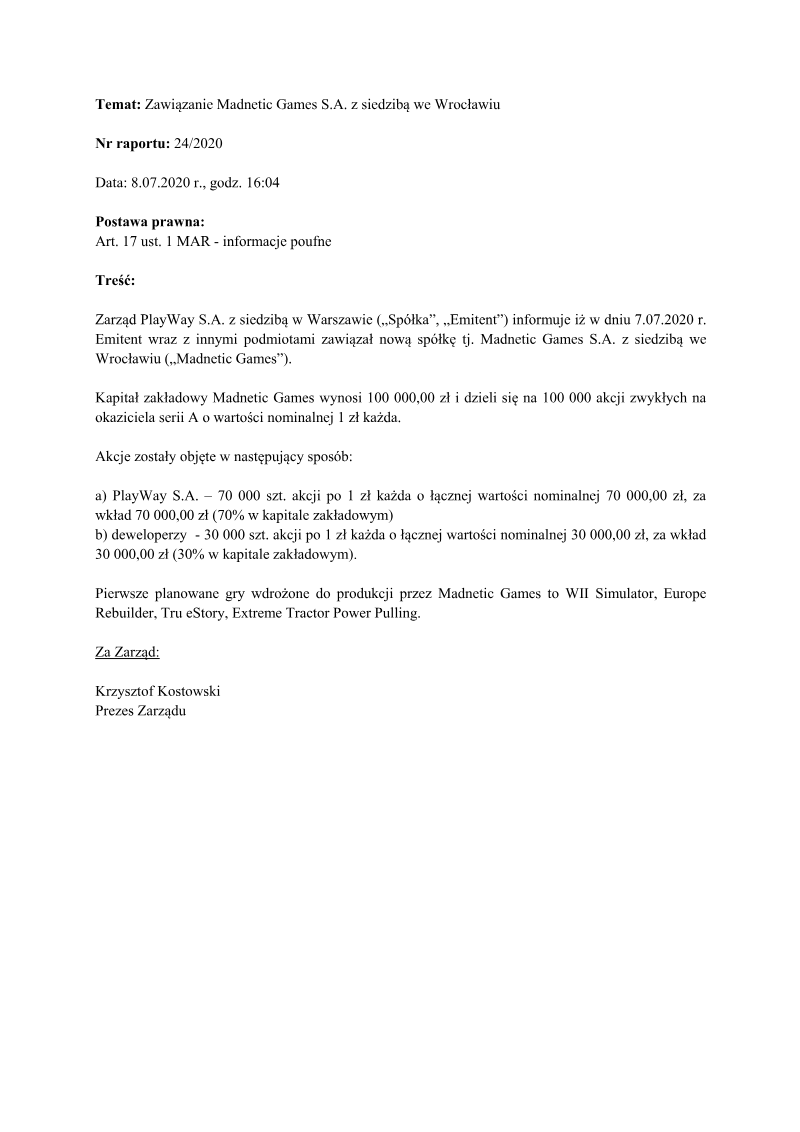
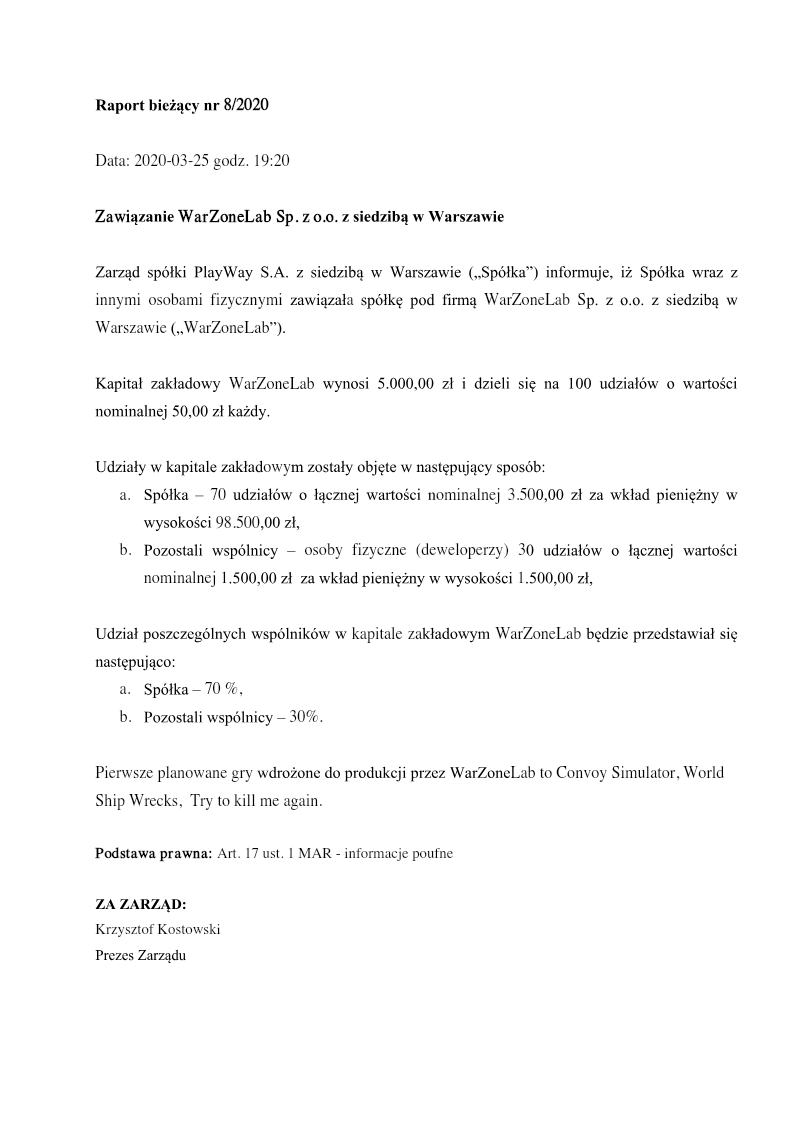
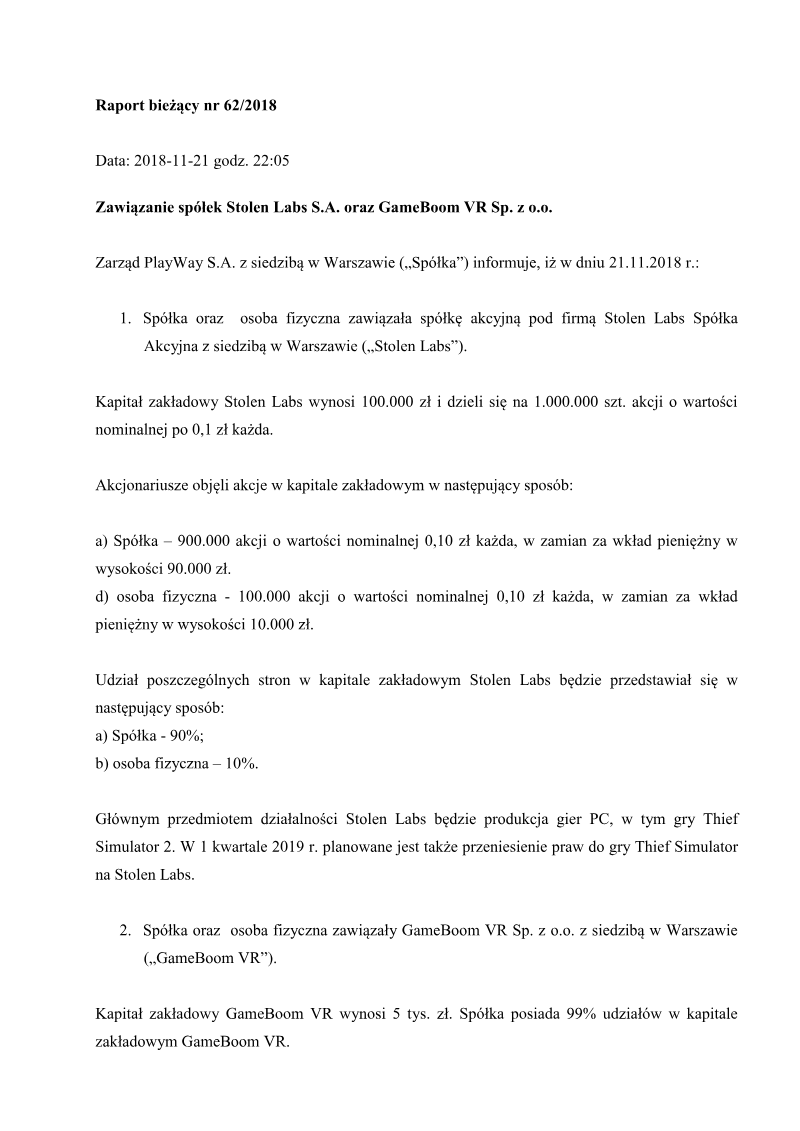
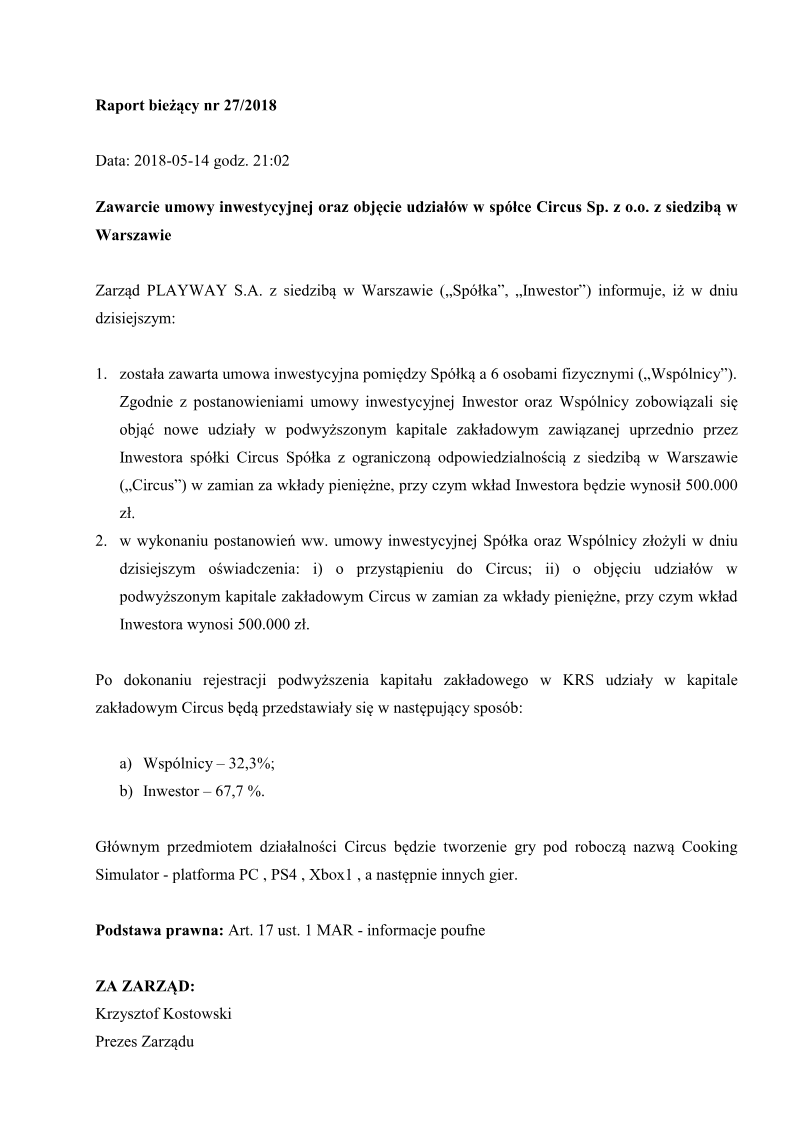
PlayWay S.A. expanded its corporate group through the establishment of a new subsidiary, Septarian Games Sp. z o.o., based in Warsaw, Poland. This strategic move, finalized on July 17, 2020, aligns with the parent company’s established business model of fostering specialized development teams to diversify its production portfolio. The new entity was formed with an initial share capital of 100,000 PLN, divided into 1,000 shares with a nominal value of 100 PLN each.
The ownership structure reflects a majority stake for PlayWay S.A., which holds 770 shares representing 77% of the share capital and voting rights. The remaining 230 shares, or 23% of the company, are held by the developers, ensuring an incentive-based partnership between the financiers and the creative talent. This capital injection was provided through cash contributions totaling the full nominal value of the shares.
Septarian Games is positioned to focus on the simulation and renovation genres, which are core strengths of the broader PlayWay ecosystem. The initial production slate for the studio includes four specific titles: Combat Engineer, Post Apocalyptic Builder, Fort Renovator, and Apollo 13. By launching with a defined pipeline of niche simulation projects, the studio aims to capture specific market segments within the PC gaming industry. This expansion highlights the ongoing trend of decentralization in Polish game development, where large publishers create smaller, agile subsidiaries to manage multiple concurrent projects.
PlayWay · 2026
PlayWay · 2026
PlayWay · 2026
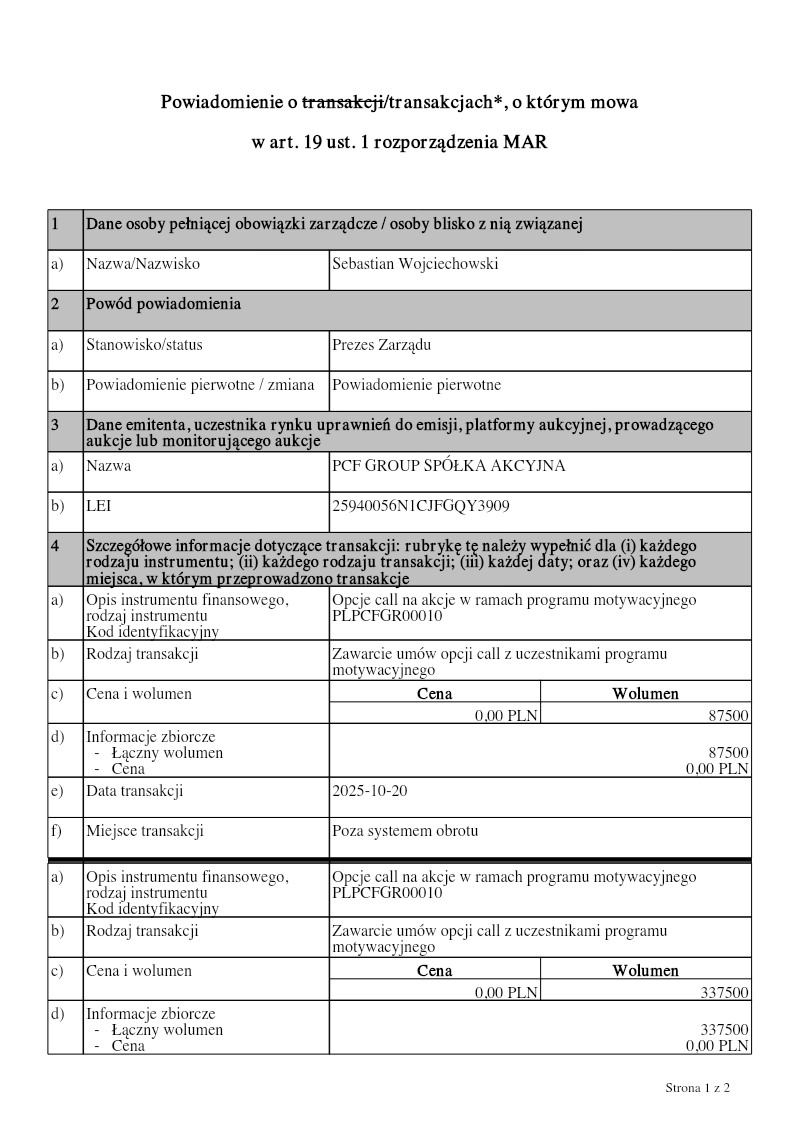
PCF Group · 2025
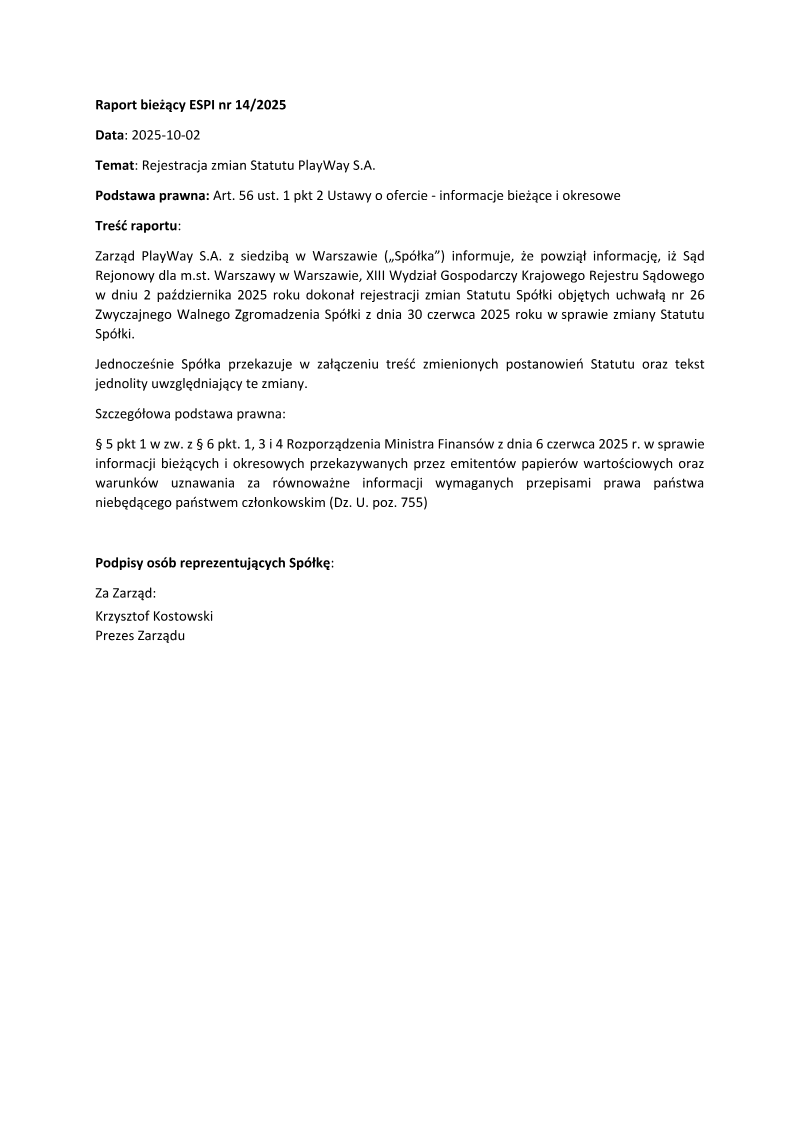
PlayWay · 2025
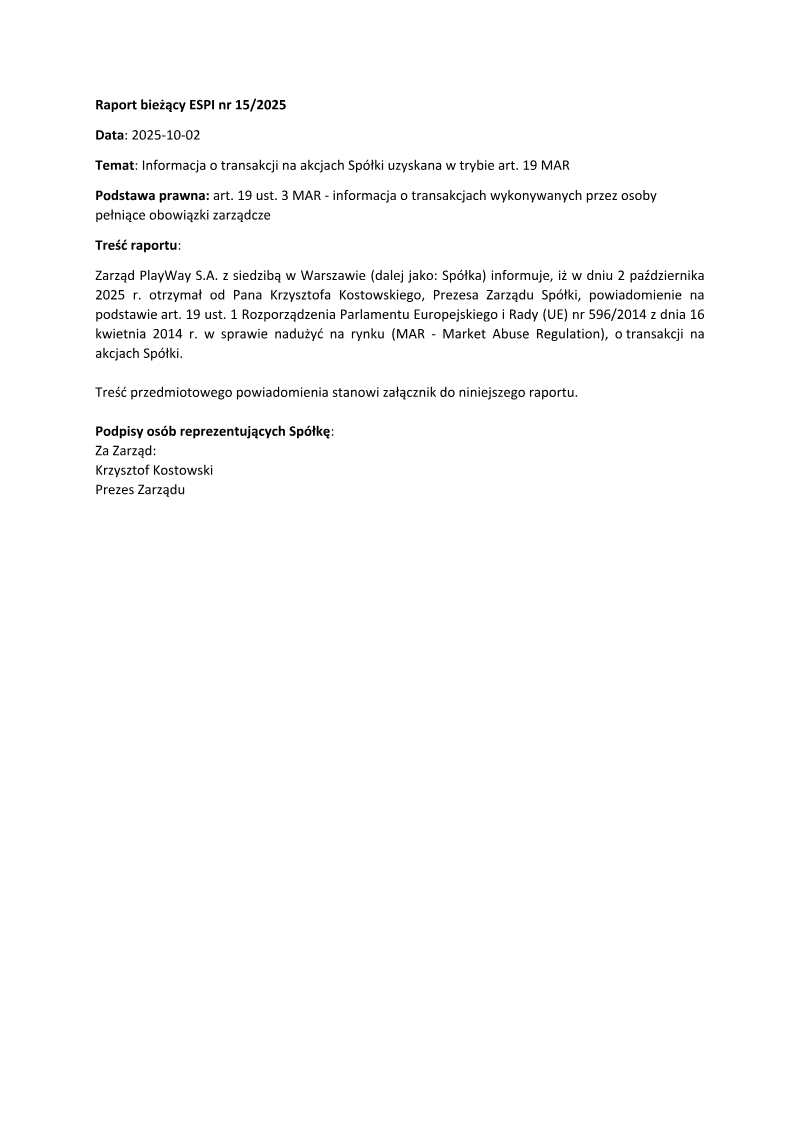
PlayWay · 2025
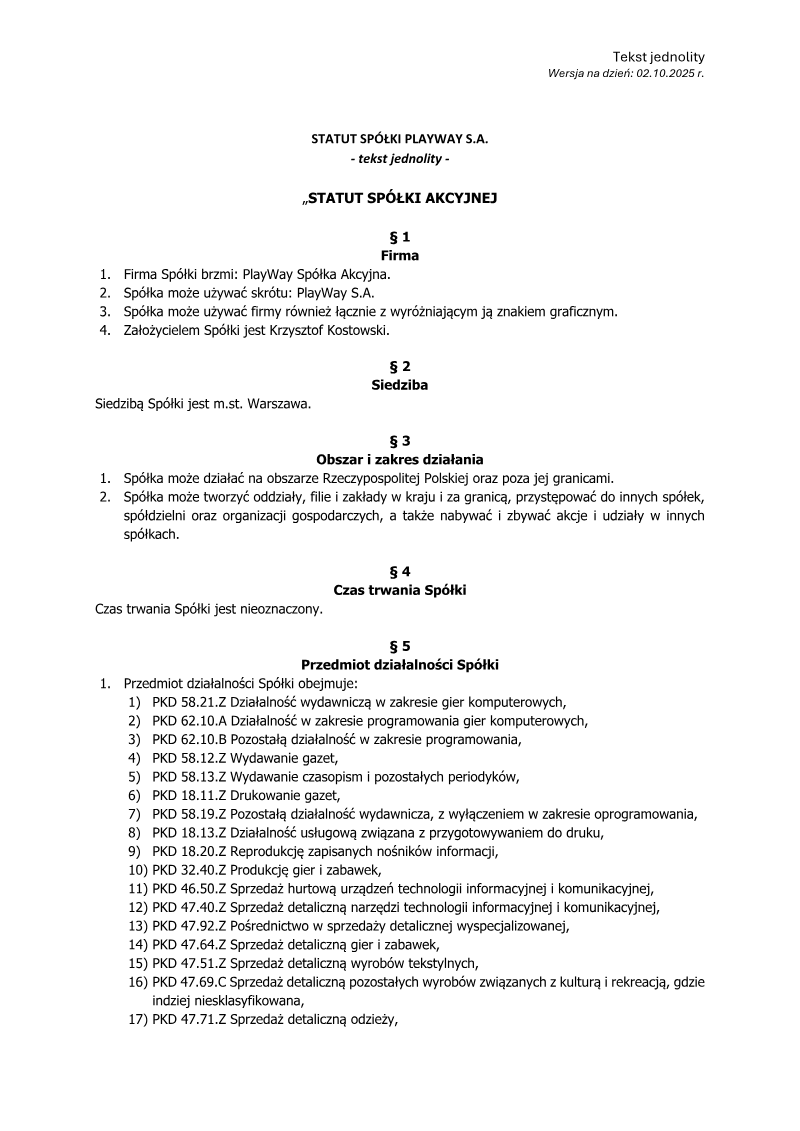
PlayWay · 2025
PlayWay · 2025
PlayWay · 2025
PlayWay · 2025
PlayWay · 2025
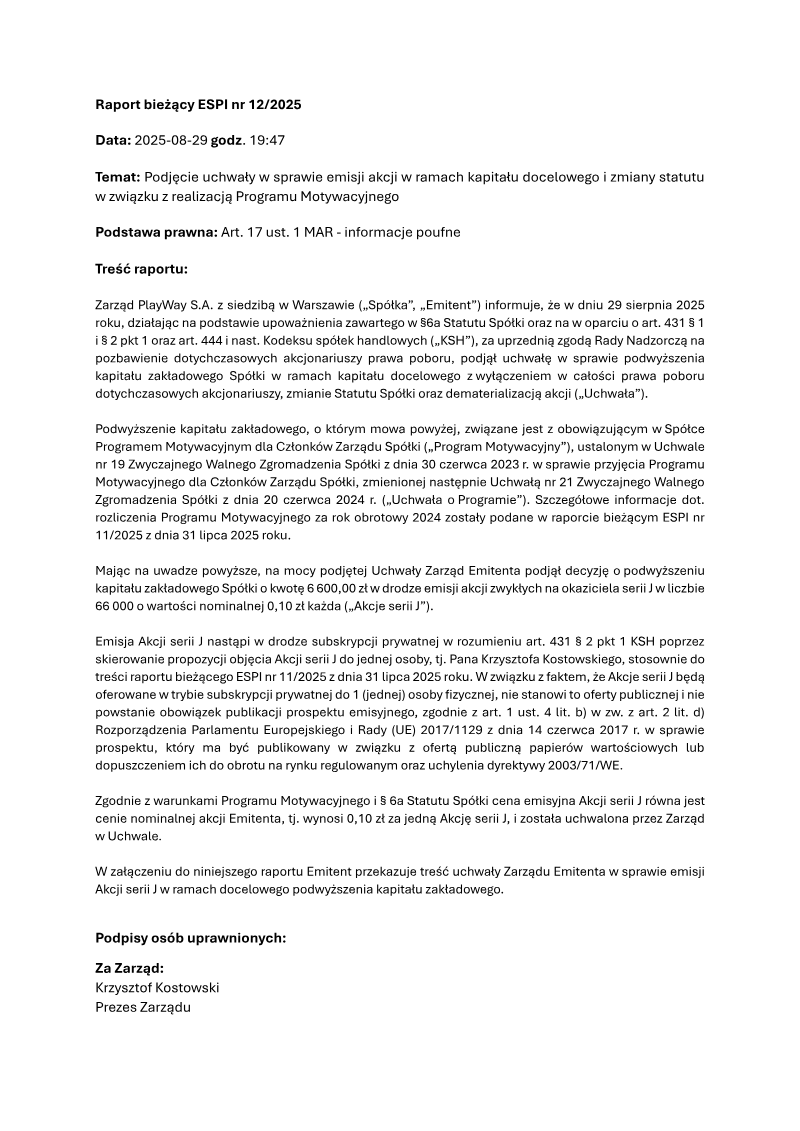
PlayWay · 2025
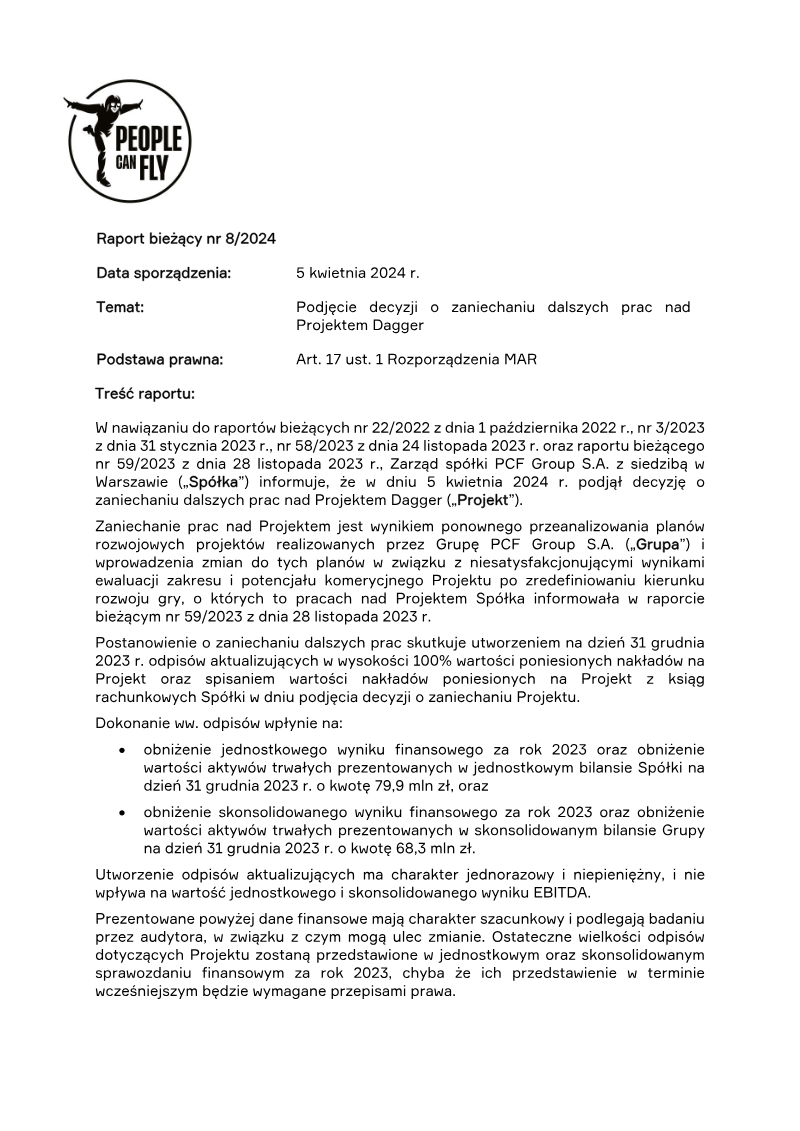
PCF Group · 2024
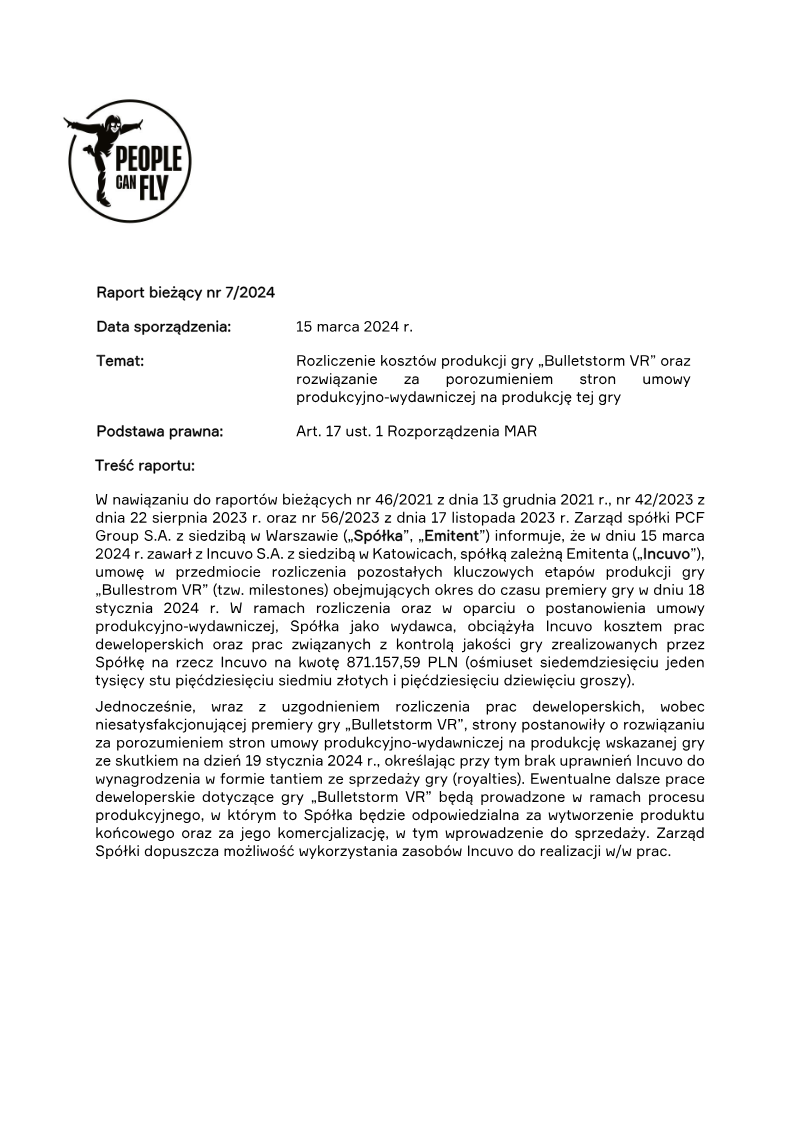
PCF Group · 2024
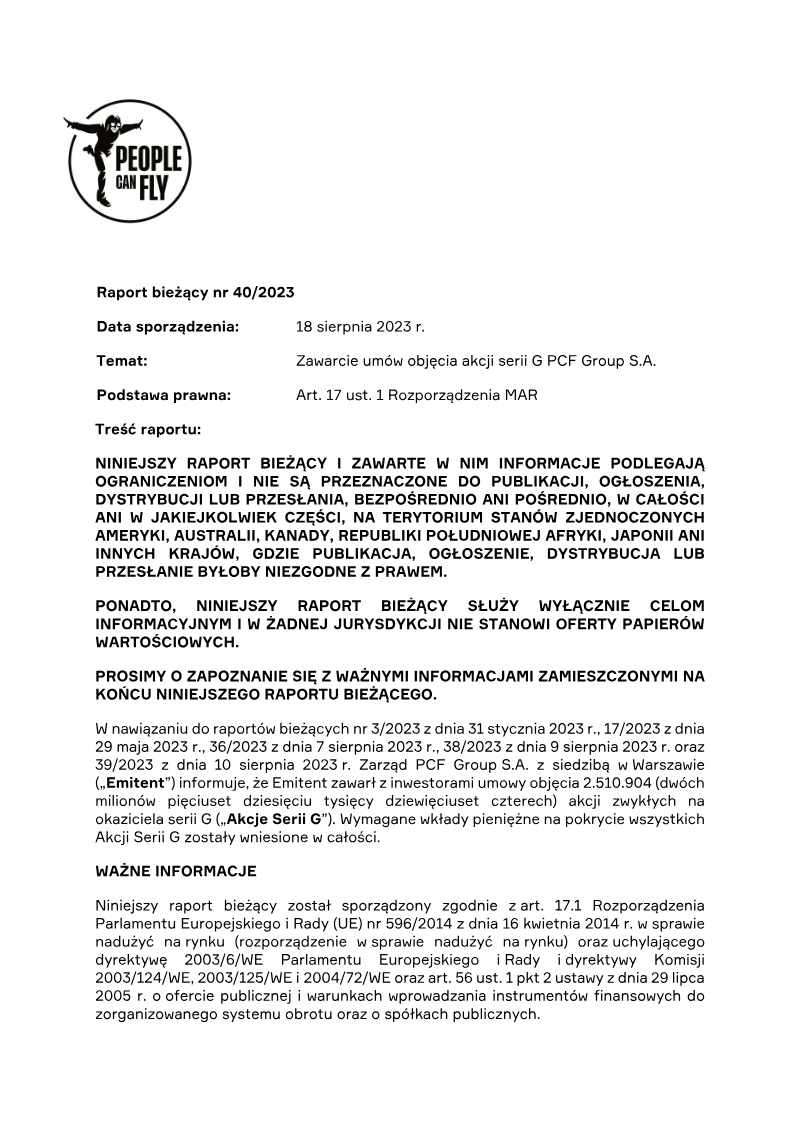
PCF Group · 2023
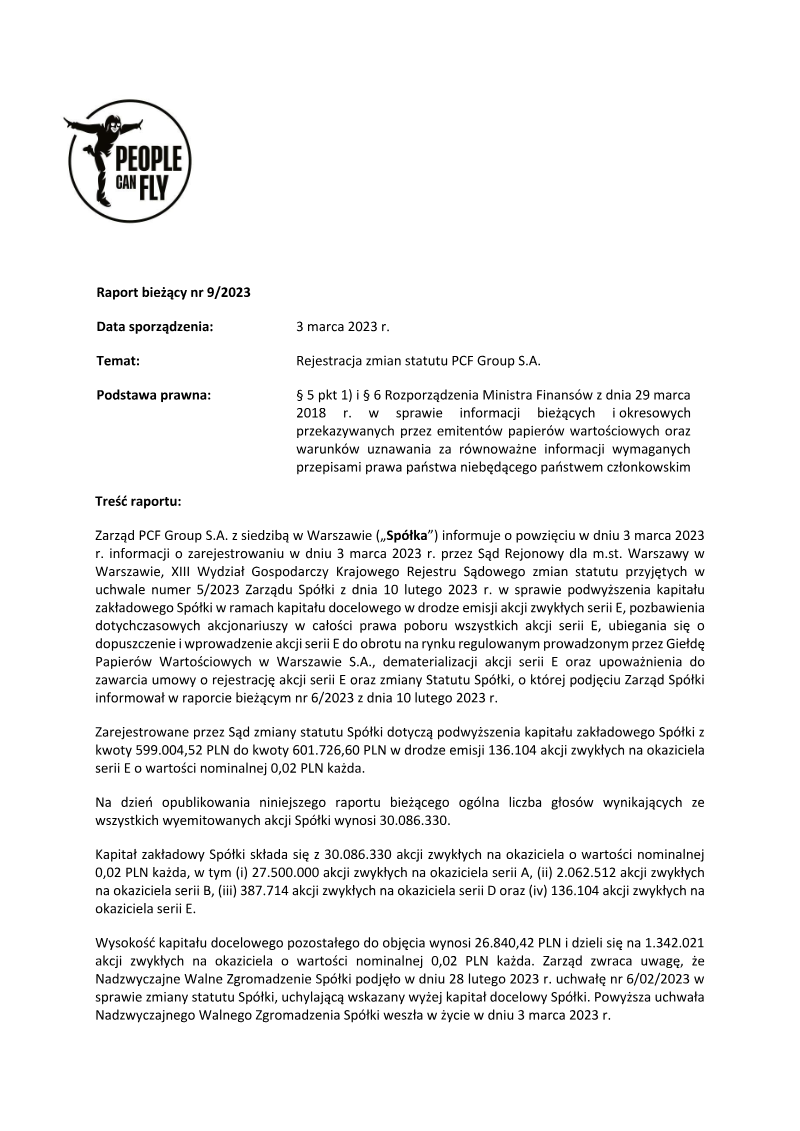
PCF Group · 2023
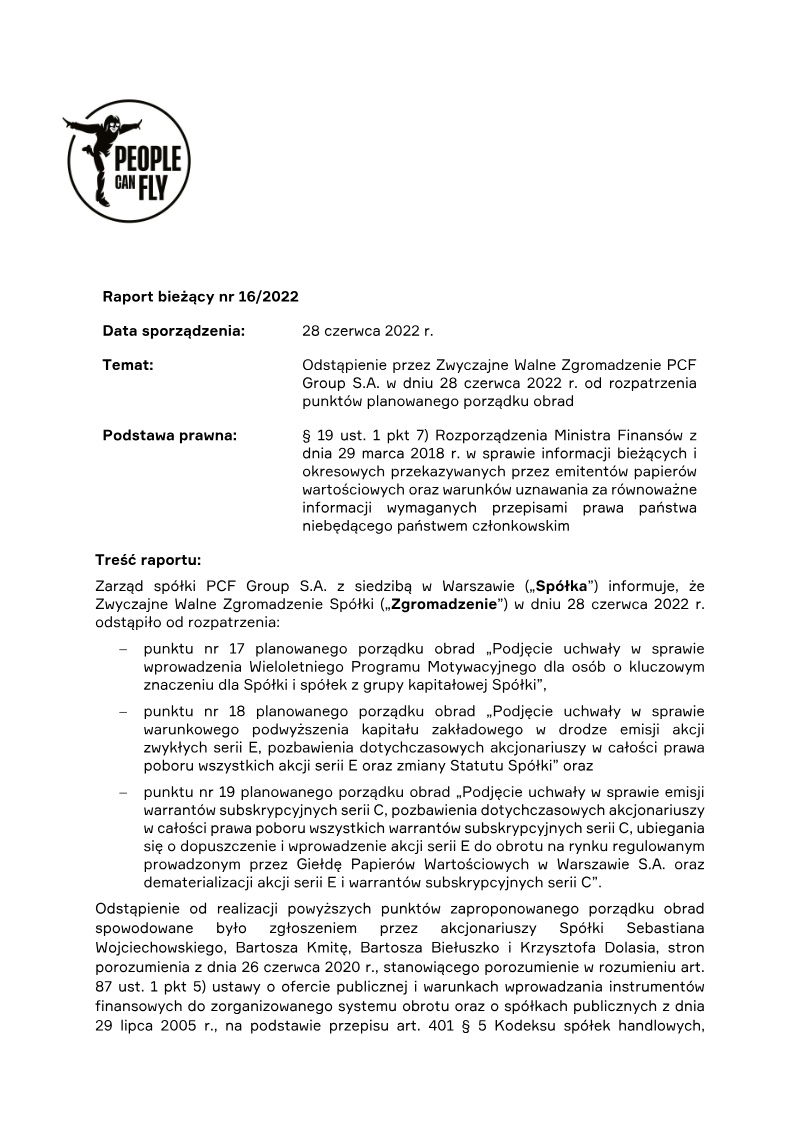
PCF Group · 2022
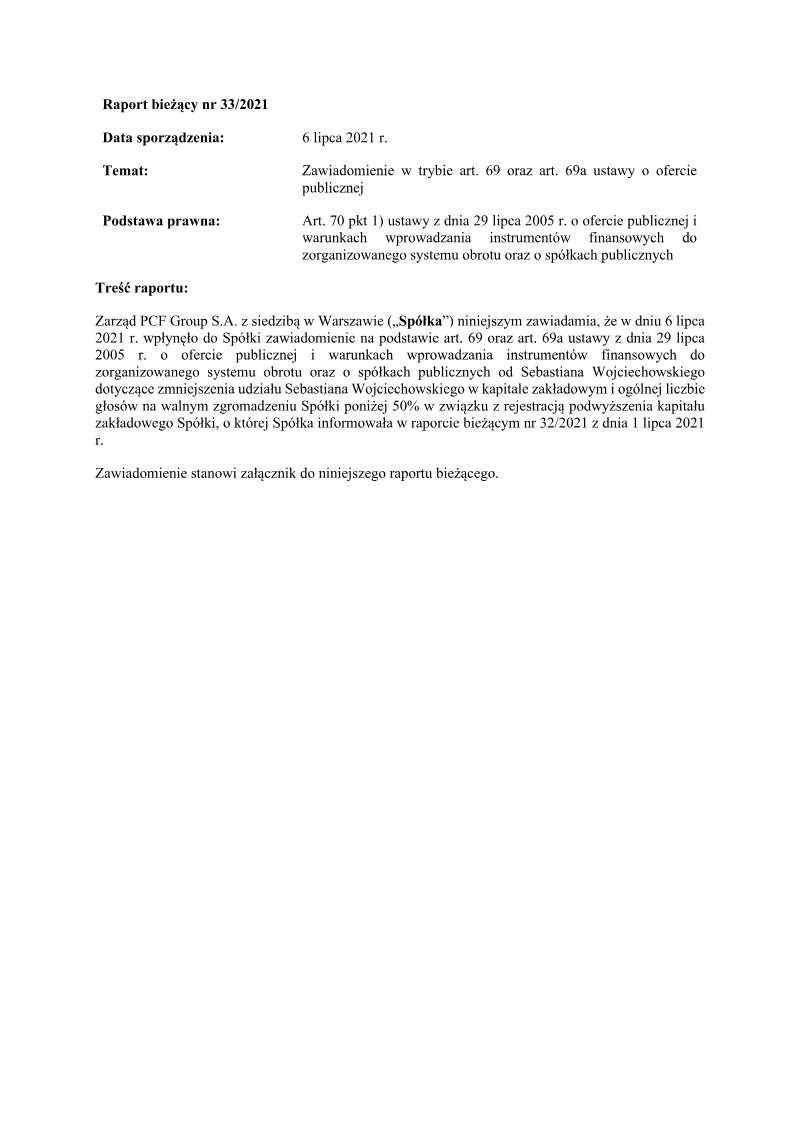
PCF Group · 2021
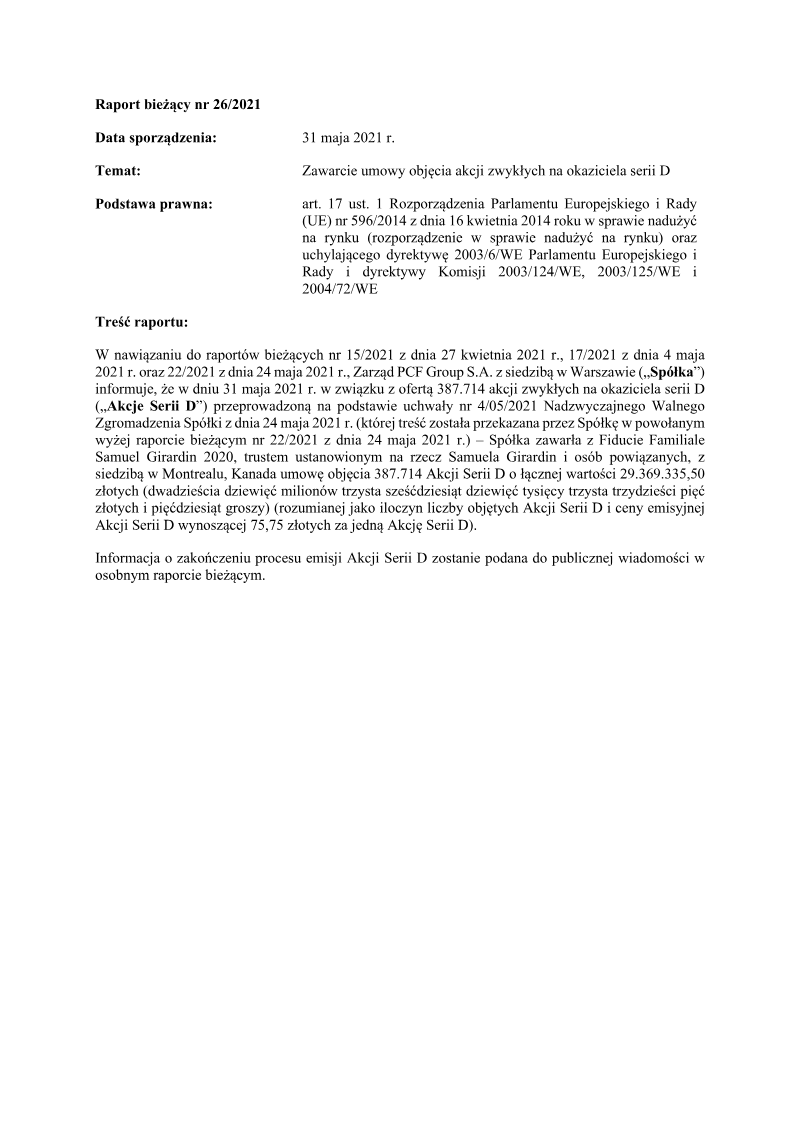
PCF Group · 2021
PlayWay · 2020
PlayWay · 2020
PlayWay · 2018
PlayWay · 2018
11 bit studios · 2025