LegalPlayWay
Jednostkowe Sprawozdanie Finansowe PlayWay S.A. za rok obrotowy zakończony 31 grudnia 2017 r.
23 Apr 201834 pages~77 min full read
PlayWay S.A. experienced a period of rapid financial and operational expansion during the 2017 fiscal year, solidifying its position as a major hub for game development and publishing in Poland. The company’s strategic focus centered on the aggressive growth of its capital group, which expanded to include controlling interests in 24 subsidiaries and significant influence over numerous associates. This ecosystem was bolstered by the establishment of new entities such as Sonka S.A. and DeGenerals S.A., alongside increased stakes in developers like Madmind Studio and Frozen District. These investments were funded through strong internal cash generation and a stable ownership structure led by CEO Krzysztof Kostowski and ACRX Investments Limited.
Financial performance in 2017 was characterized by exceptional growth across all key metrics. Net sales revenue nearly tripled, rising from 10.9 million PLN in 2016 to 32.1 million PLN, while net profit surged from 6.1 million PLN to 15.8 million PLN. This performance resulted in a significant increase in earnings per share, which rose to 2.39 PLN. The company maintained a robust balance sheet with total assets reaching 65.6 million PLN and a total equity of 64.3 million PLN. Notably, the firm operated with zero debt from loans or leasing, ending the year with a strong liquidity position of 36.9 million PLN in cash and equivalents.
The operational model relied heavily on the Steam platform for revenue generation and a disciplined approach to game development costs. These costs were capitalized as work-in-progress inventory, totaling 3.6 million PLN by year-end, which management expects to recover through future sales. Long-term financial investments grew to 18.7 million PLN as the company continued to provide loans and publishing services to its subsidiaries. All related-party transactions were conducted on standard market terms, ensuring a transparent financial framework as the company transitioned into a more complex corporate structure.
PlayWay · 2026
PlayWay · 2026
PlayWay · 2026
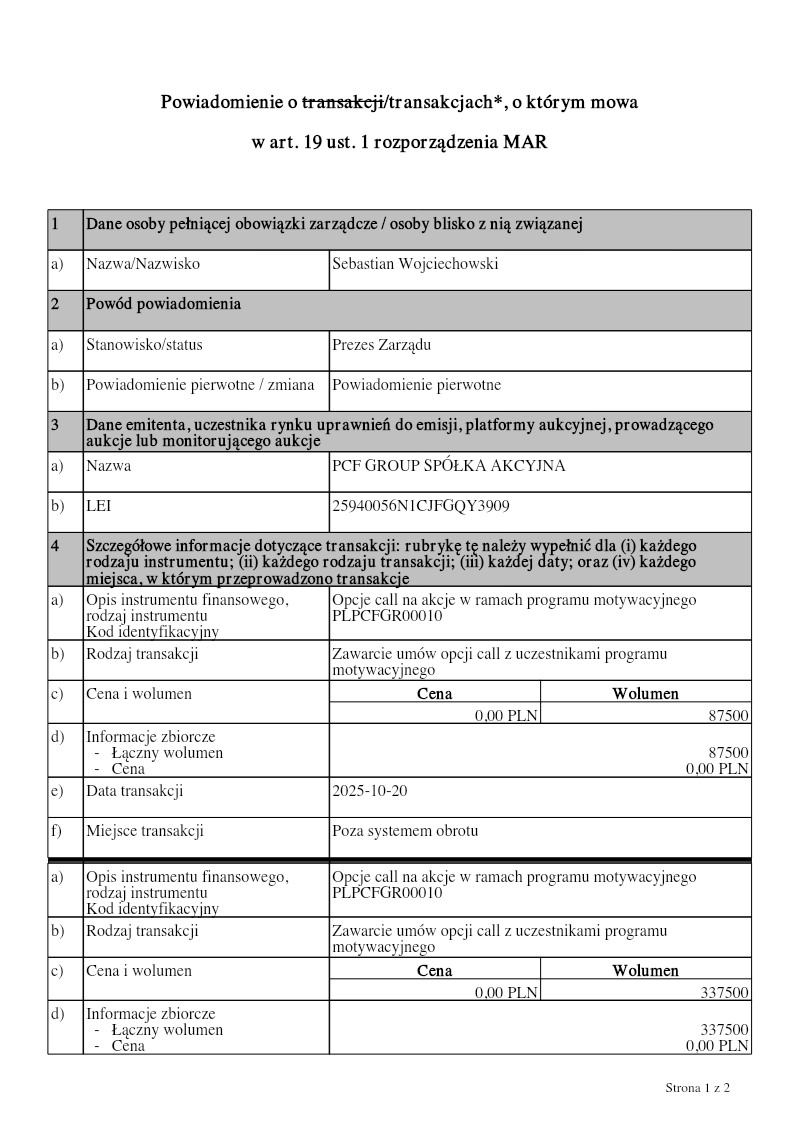
PCF Group · 2025
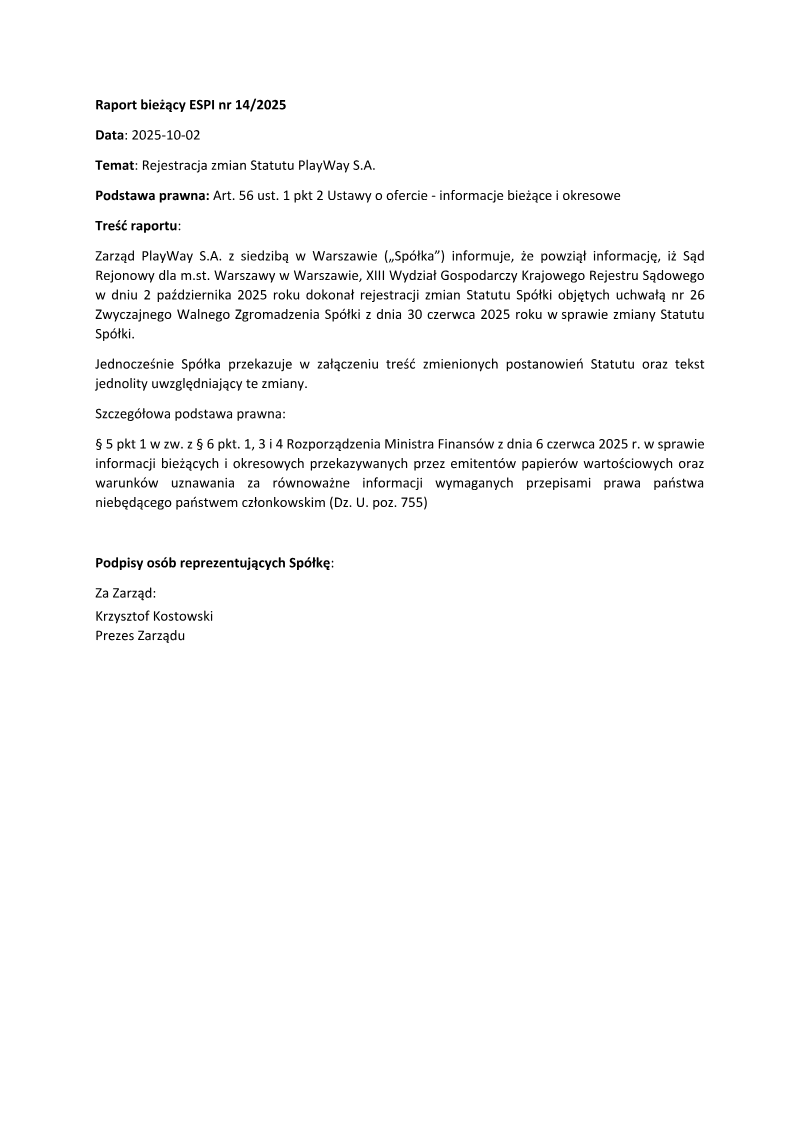
PlayWay · 2025
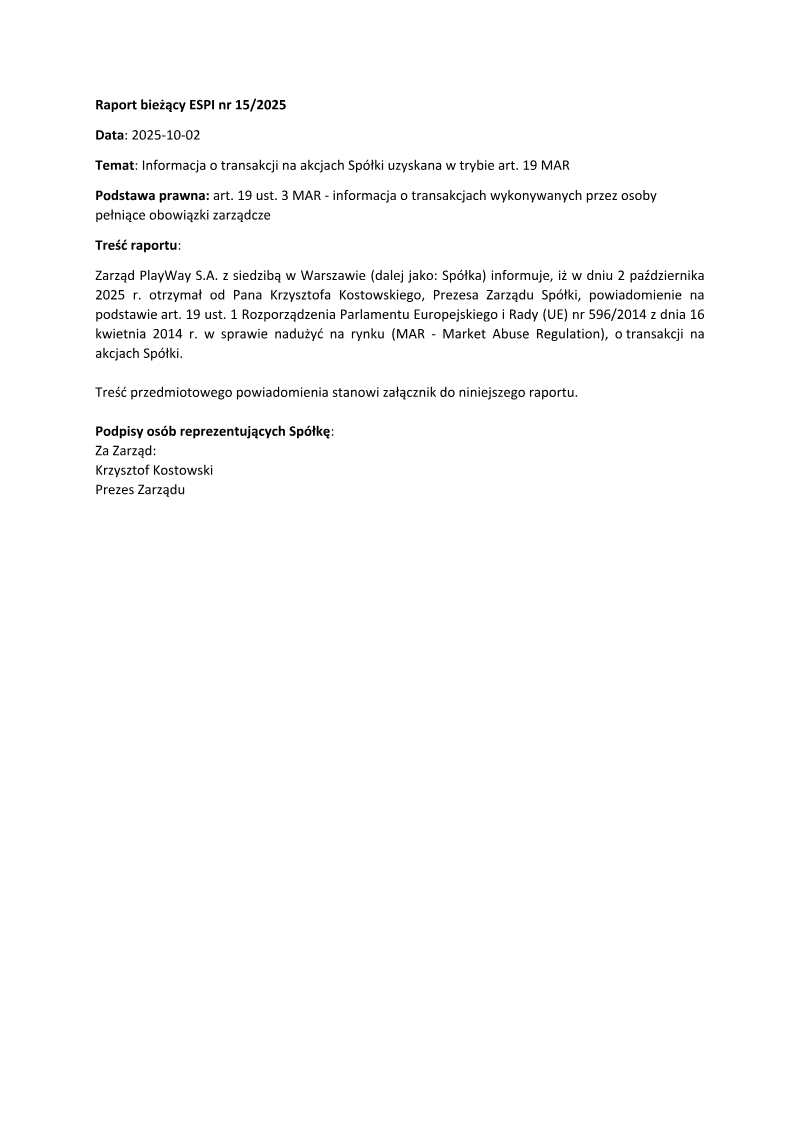
PlayWay · 2025
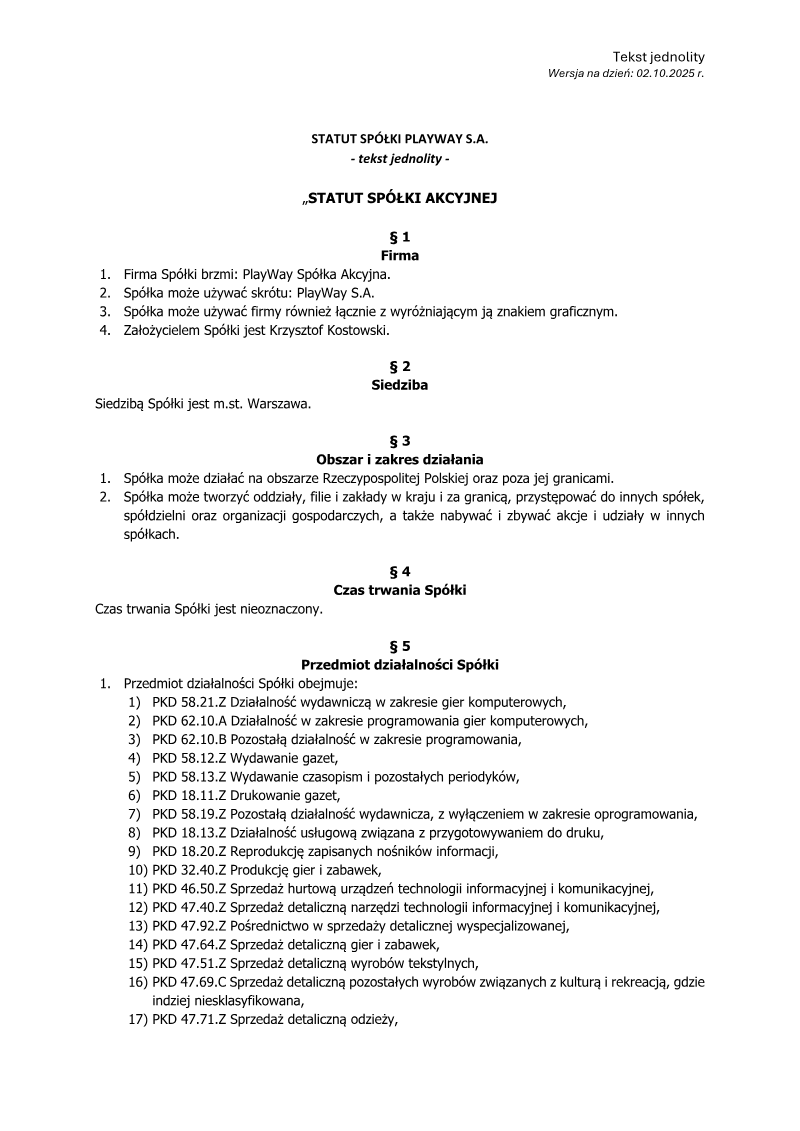
PlayWay · 2025
PlayWay · 2025
PlayWay · 2025
PlayWay · 2025
PlayWay · 2025
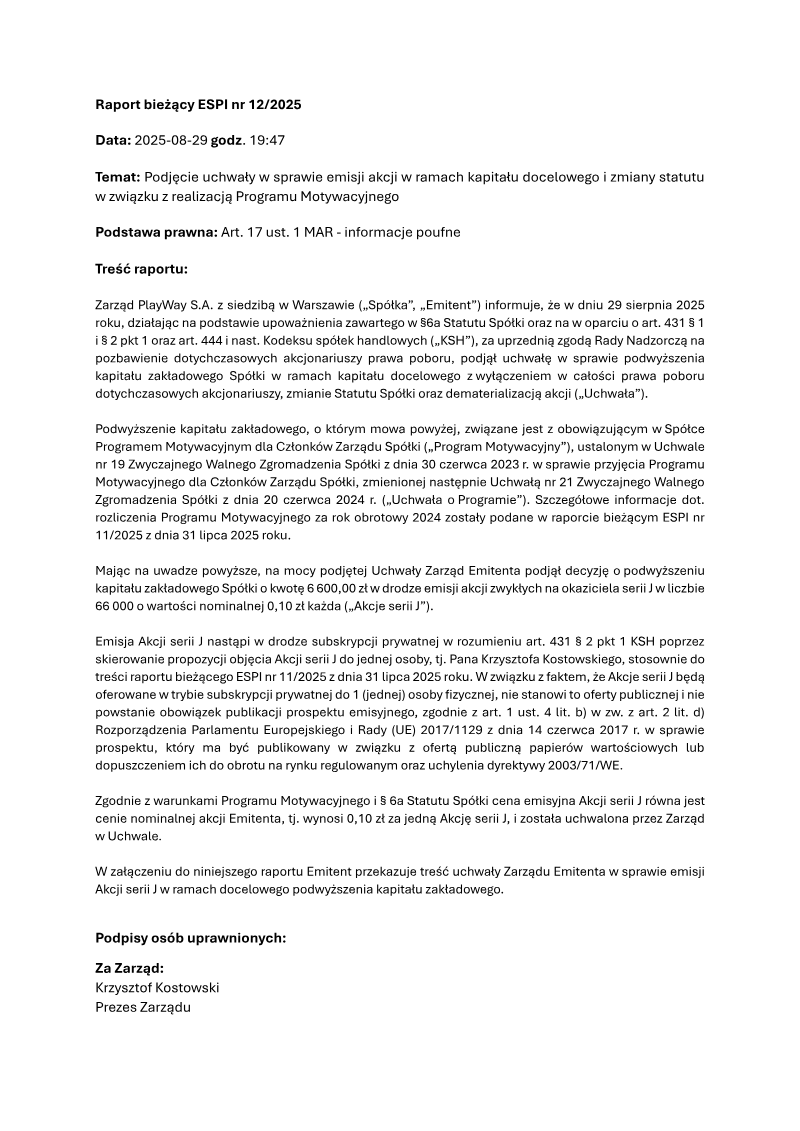
PlayWay · 2025
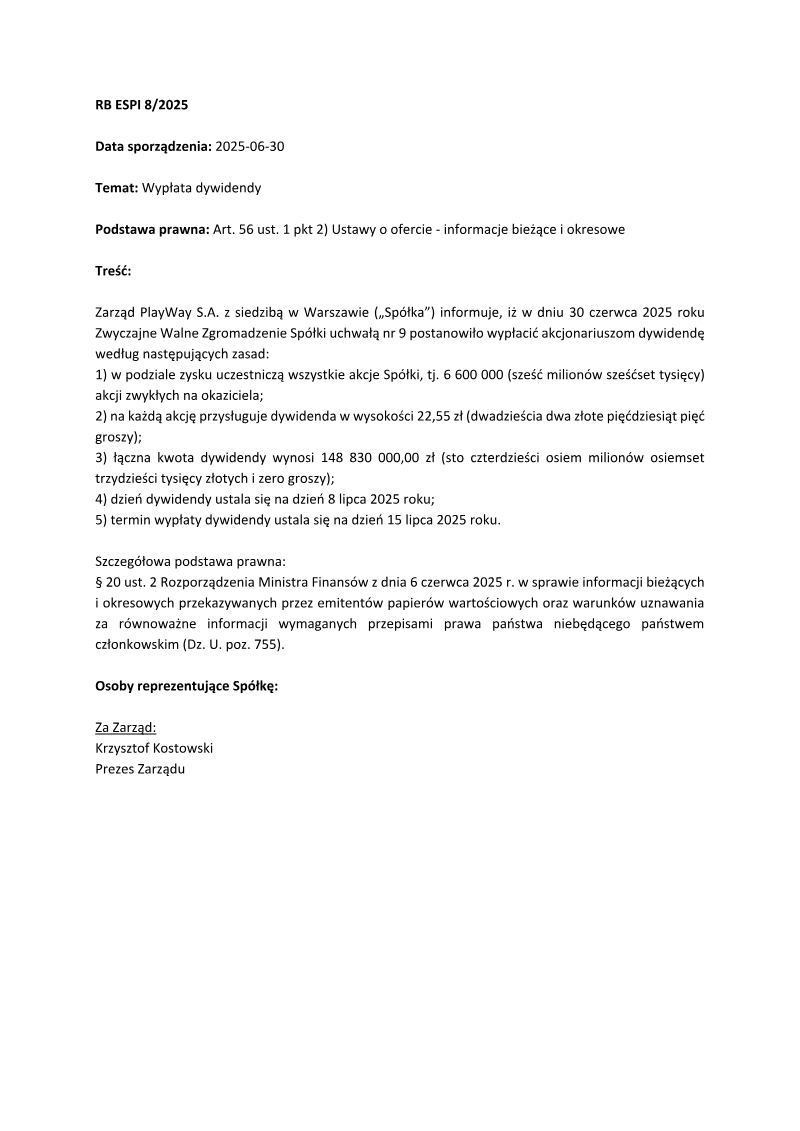
PlayWay · 2025
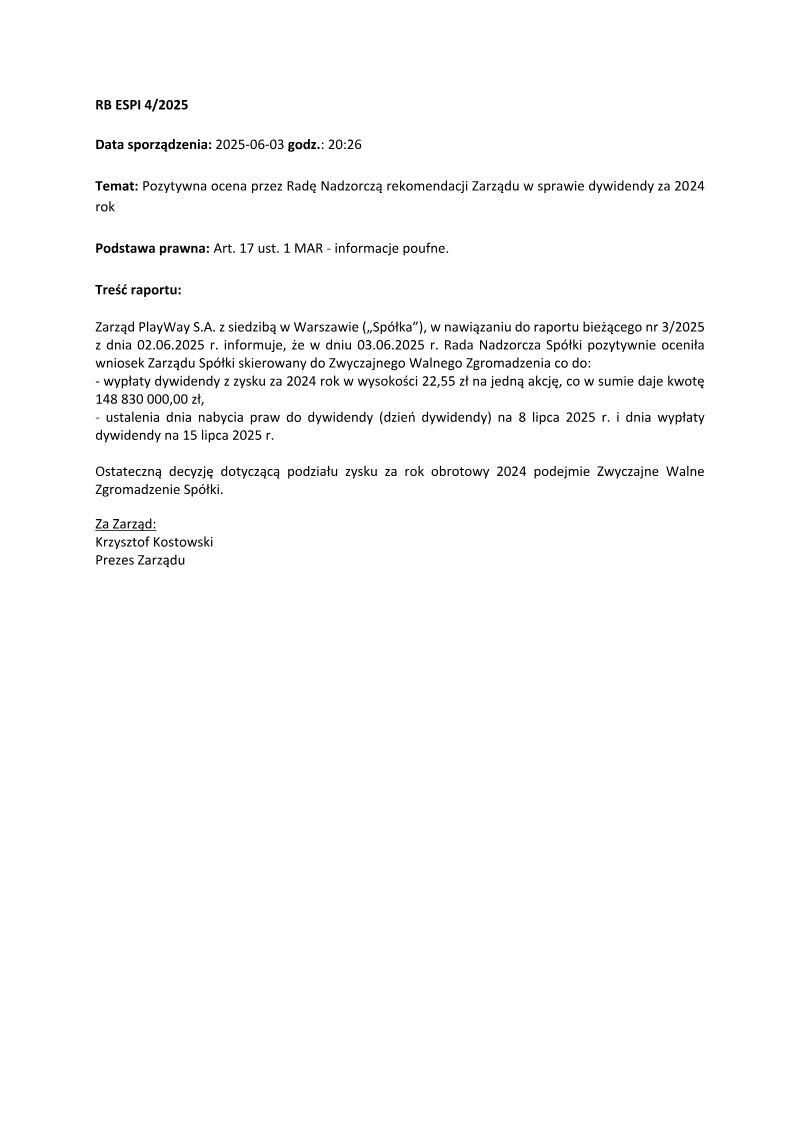
PlayWay · 2025
11 bit studios · 2025
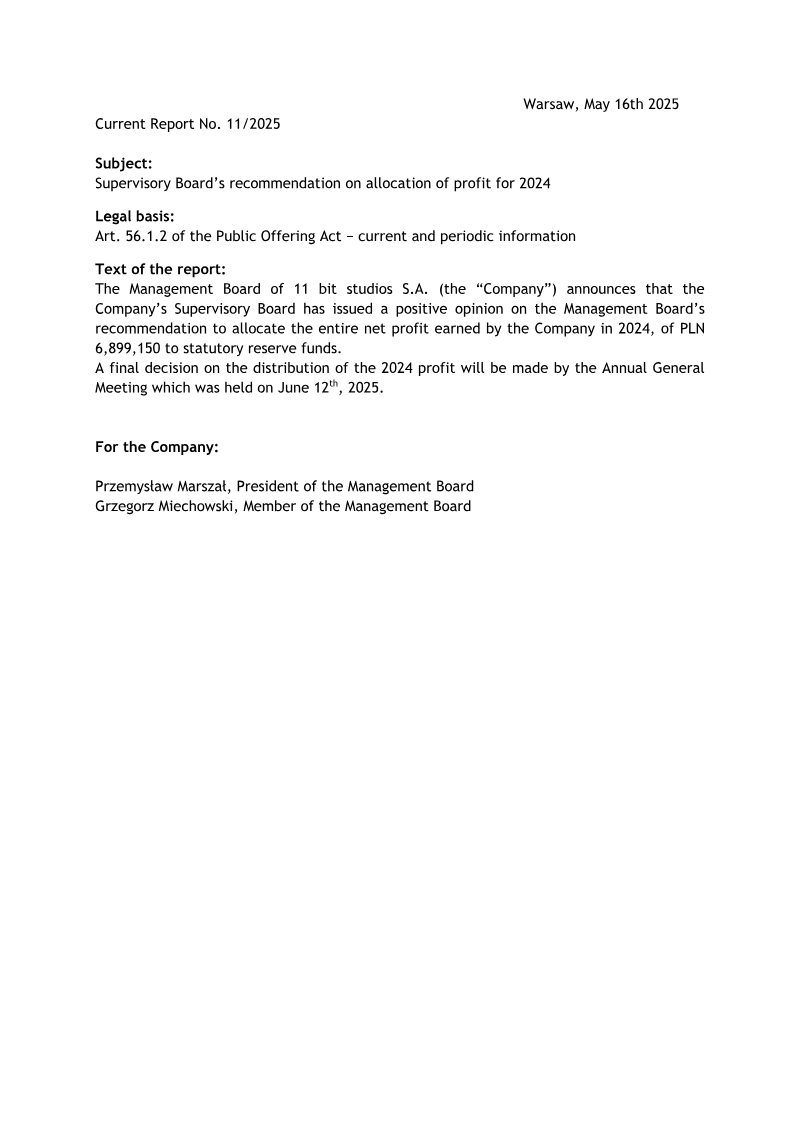
11 bit studios · 2025
PCF Group · 2025
11 bit studios · 2024
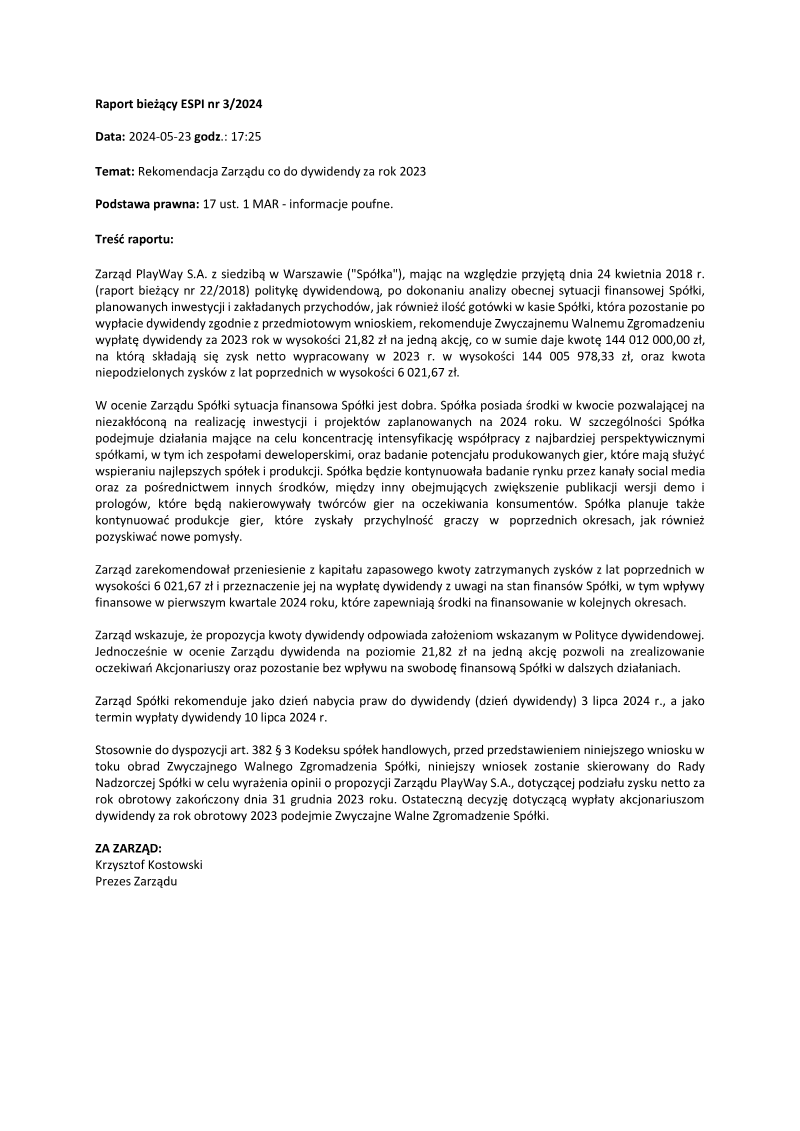
PlayWay · 2024
PCF Group · 2023
11 bit studios · 2023
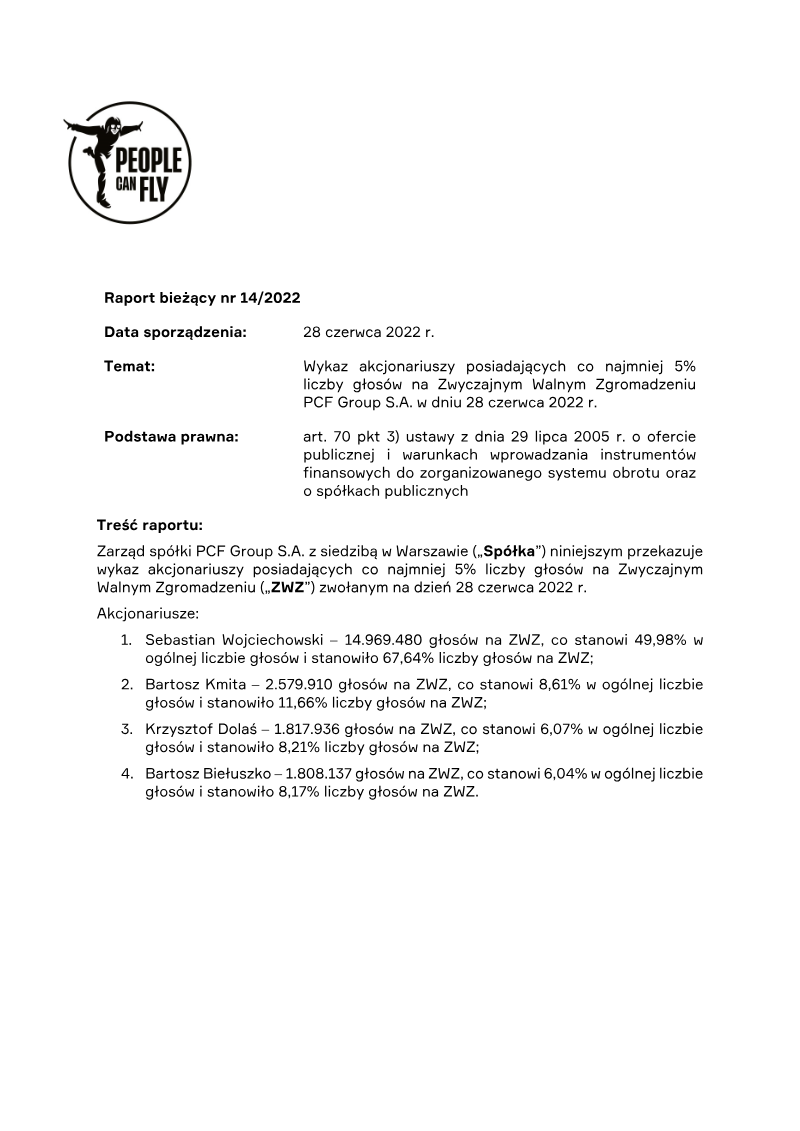
PCF Group · 2022
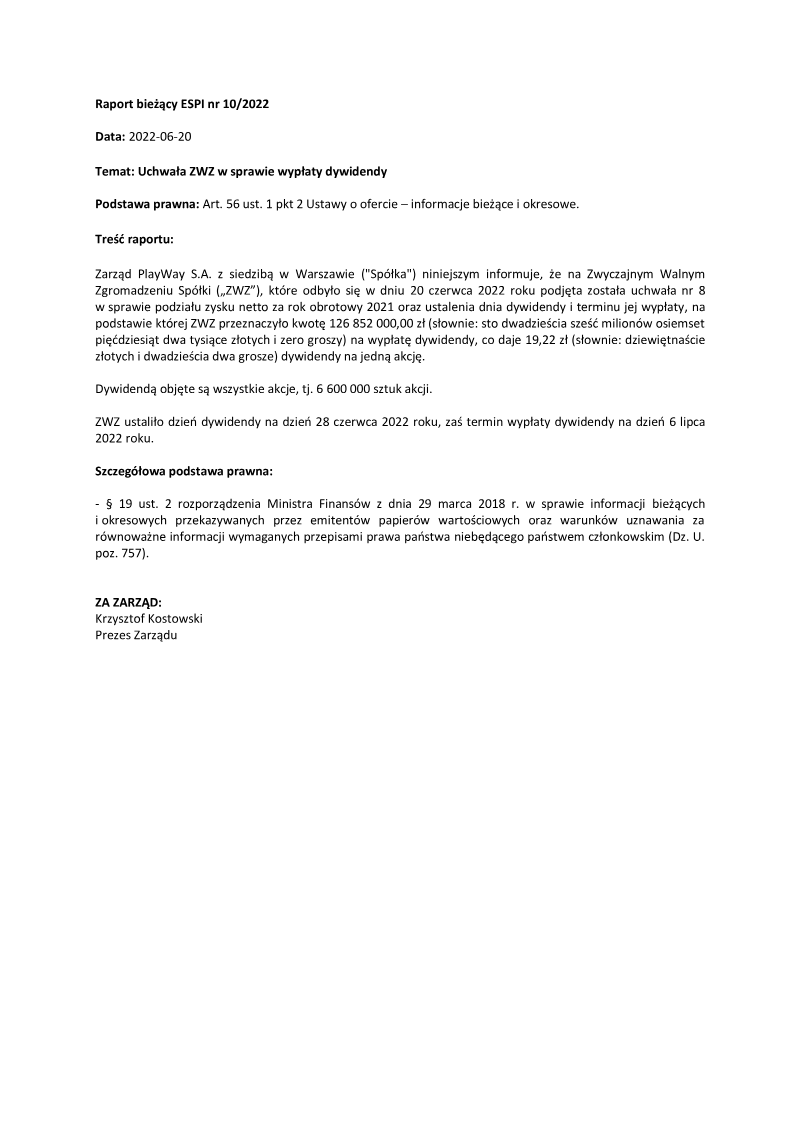
PlayWay · 2022
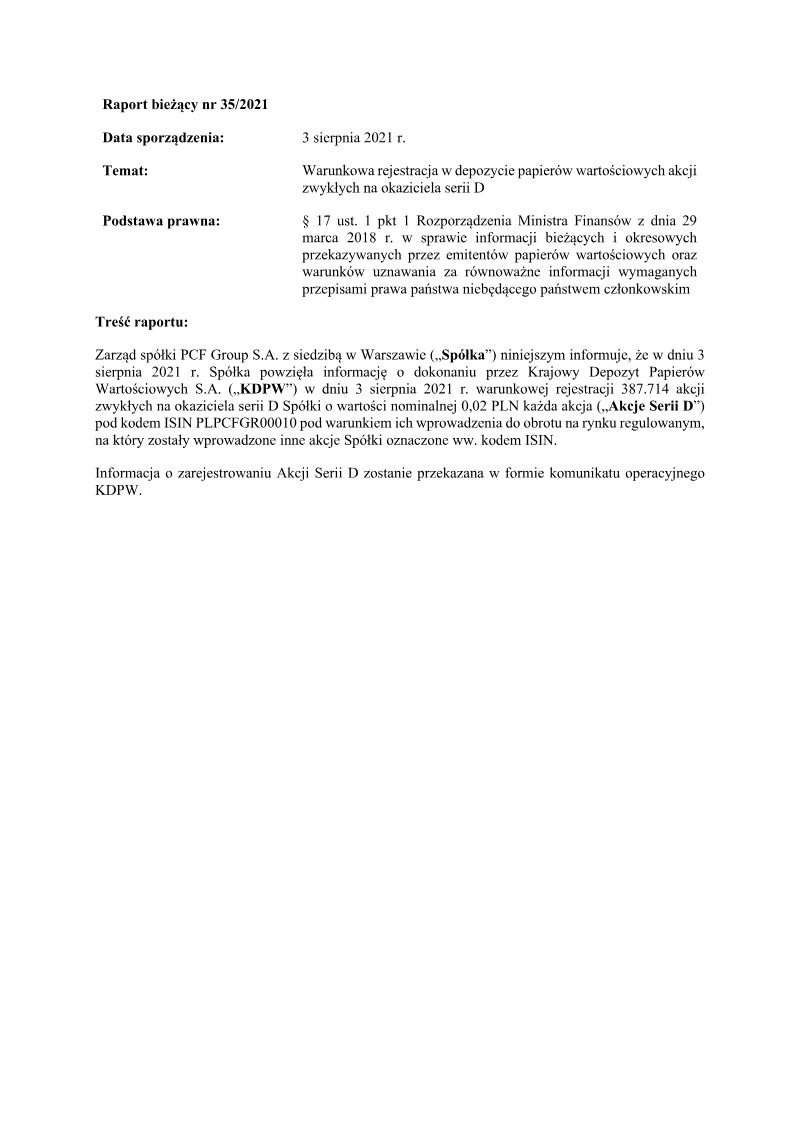
PCF Group · 2021