1 free read left. Create a free account for unlimited reading + AI research.
Create free accountWhitepaper Kajaani University of Applied Sciences
1 free read left. Create a free account for unlimited reading + AI research.
Create free accountWhitepaperKajaani University of Applied Sciences
Game of My Life is a health-oriented visual novel developed by Kajaani University of Applied Sciences in Finland. It covers relationships, intoxicating substances, economic skills, mental health, and daily life activities.
"Game of My Life" presents a health-oriented visual novel developed by Kajaani University of Applied Sciences in Finland to support young people's life management skills. The game was created in cooperation with a regional social and healthcare authority and the City of Kajaani, responding to a request from a youth psychiatric ward for a tool usable within therapeutic relationships. Its core themes include relationships, intoxicating substances, economic skills, mental health, and daily life activities, and it is built on a role-map framework for growing up into independence. Players navigate school, home, and free-time settings, making choices that carry consequences, with additional informational content offered at the end.
The central aim is to prompt new reflections on everyday decision-making and problem-solving through a "serious message" embedded in engaging storytelling. The game is recommended for use by nursing and youth work professionals, supported by practical guidelines for adult-youth interactions.
The study reported focuses on player experiences and draws on semi-structured theme interviews with nine young people aged 18 to 22 from a youth work unit, analyzed through deductive content analysis. Findings indicate that players often chose options to observe consequences rather than mirroring real-life behavior, and that their decisions were largely reasoned. Participants identified challenging life-management situations and proposed solutions, and the game's themes stimulated discussion with the researcher. Notably, the findings suggest the narrative should make consequences of choices less obvious, while also noting that the game world encouraged players to try new activities and take risks.
Overall, the results are presented as encouraging for using the game to stimulate conversation about life management. Planned further work will examine the experiences of nursing and youth work staff who apply the game in their practice.
DiGRA · 2023
DiGRA · 2019
DiGRA · 2019
Remedy Entertainment · 2025
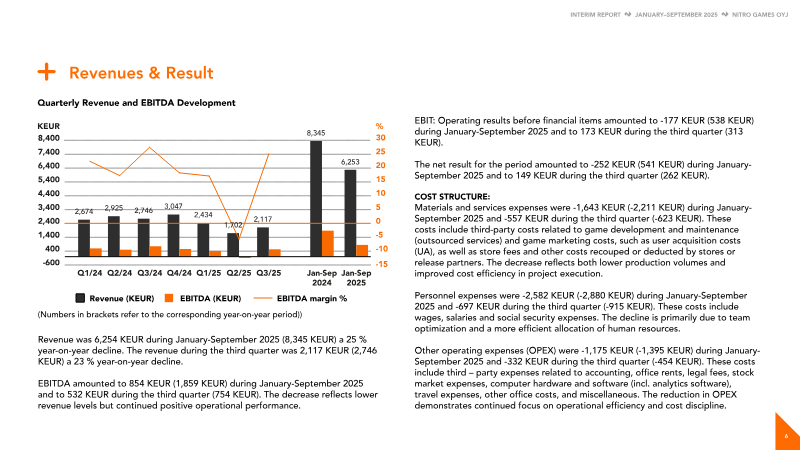
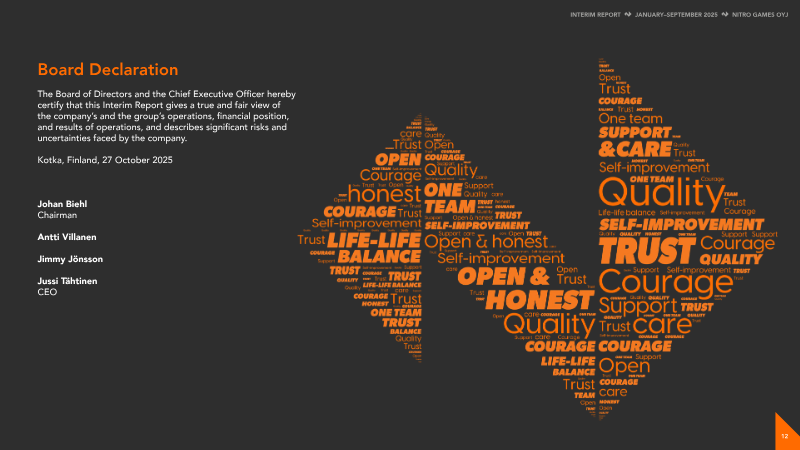
Nitro Games OYJ · 2025
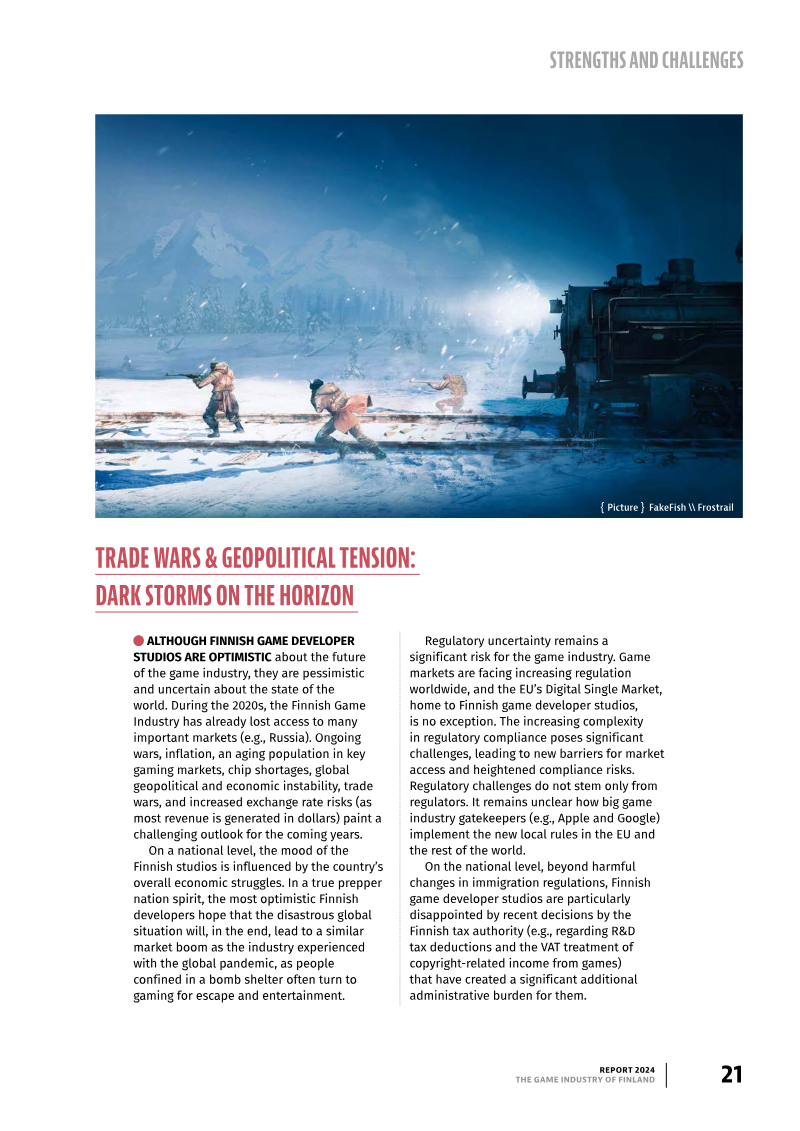
Neogames Finland · 2025

PocketGamer.biz · 2025
Deconstructor of Fun · 2025
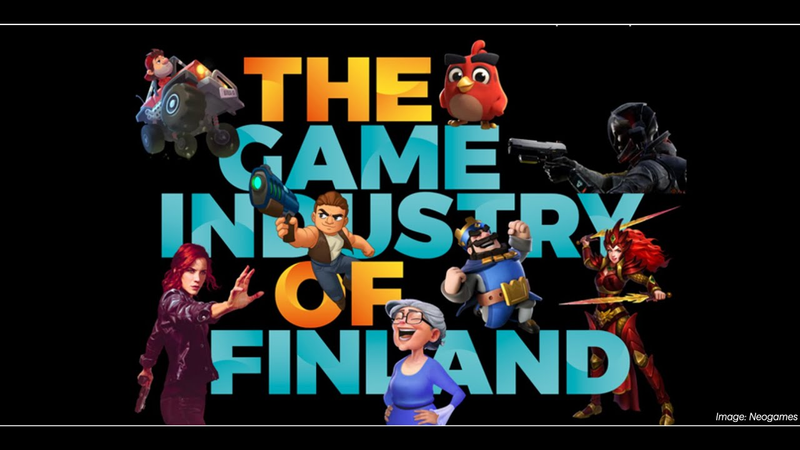
Deconstructor of Fun · 2025
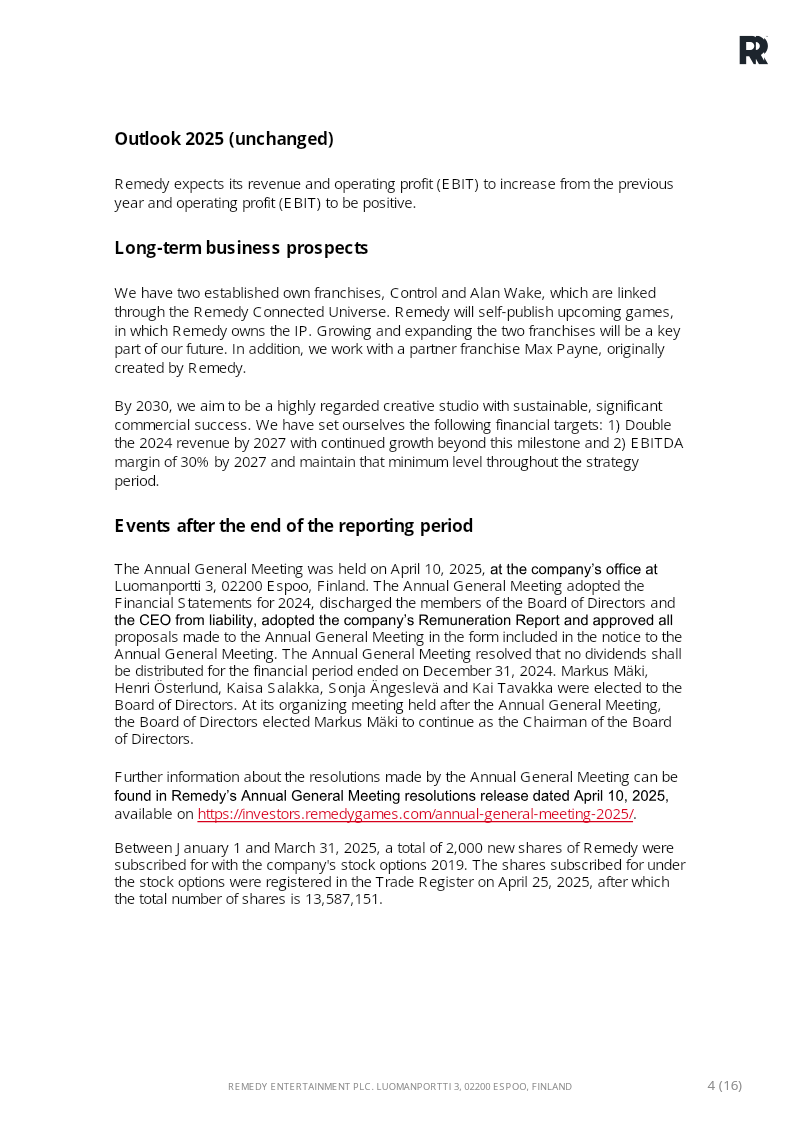
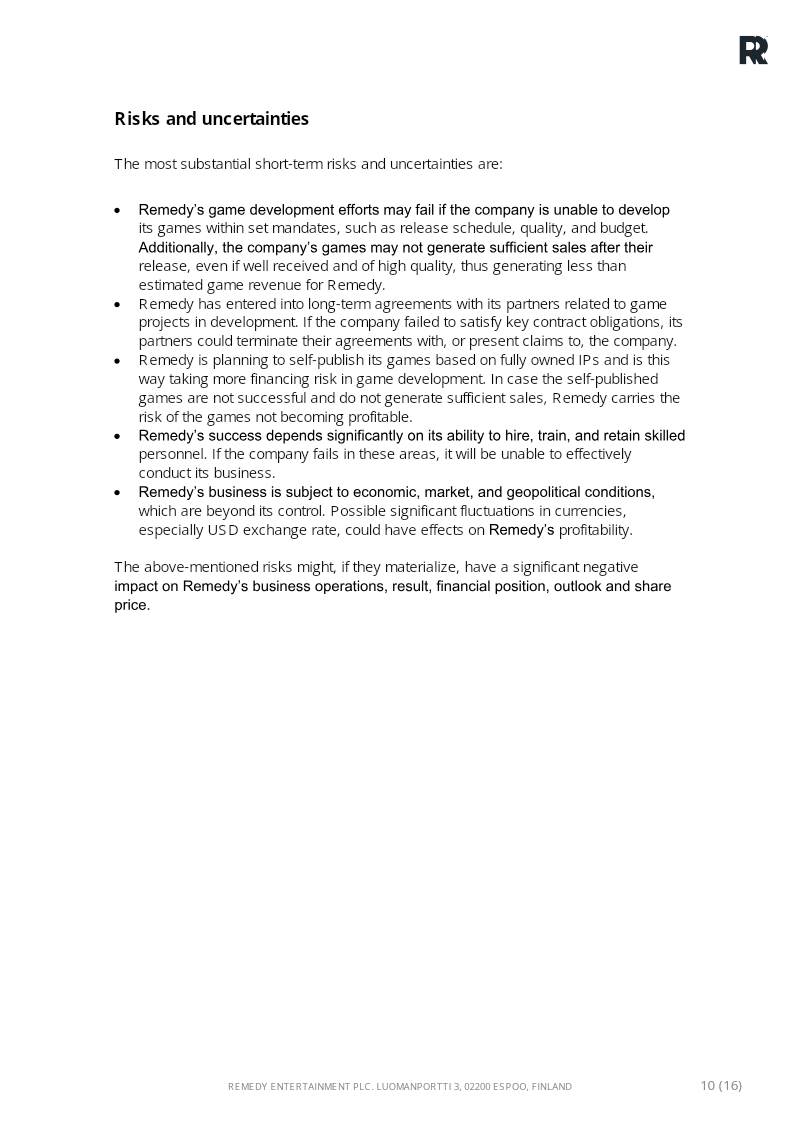
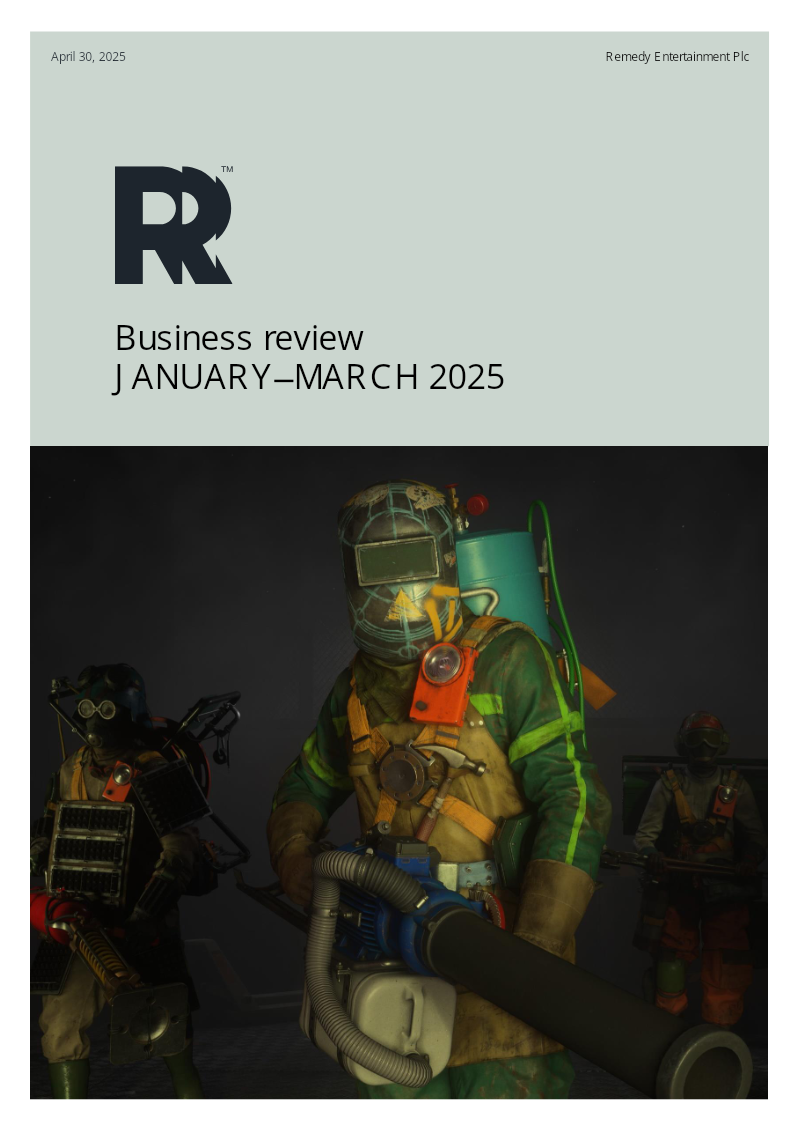
Remedy Entertainment · 2025
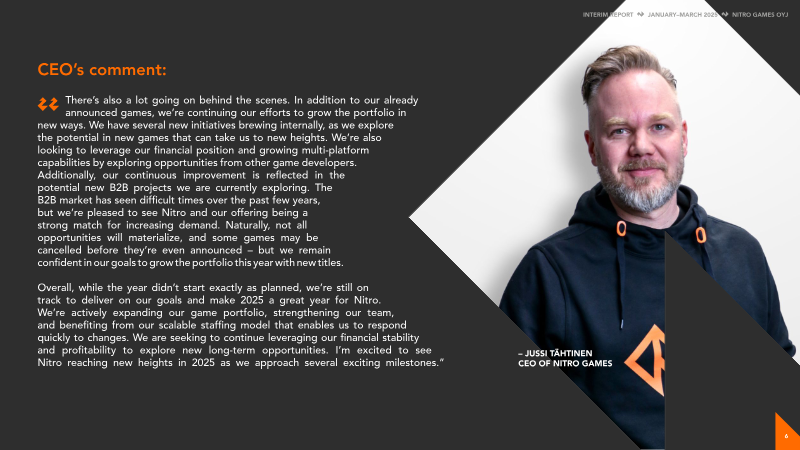

Nitro Games · 2025
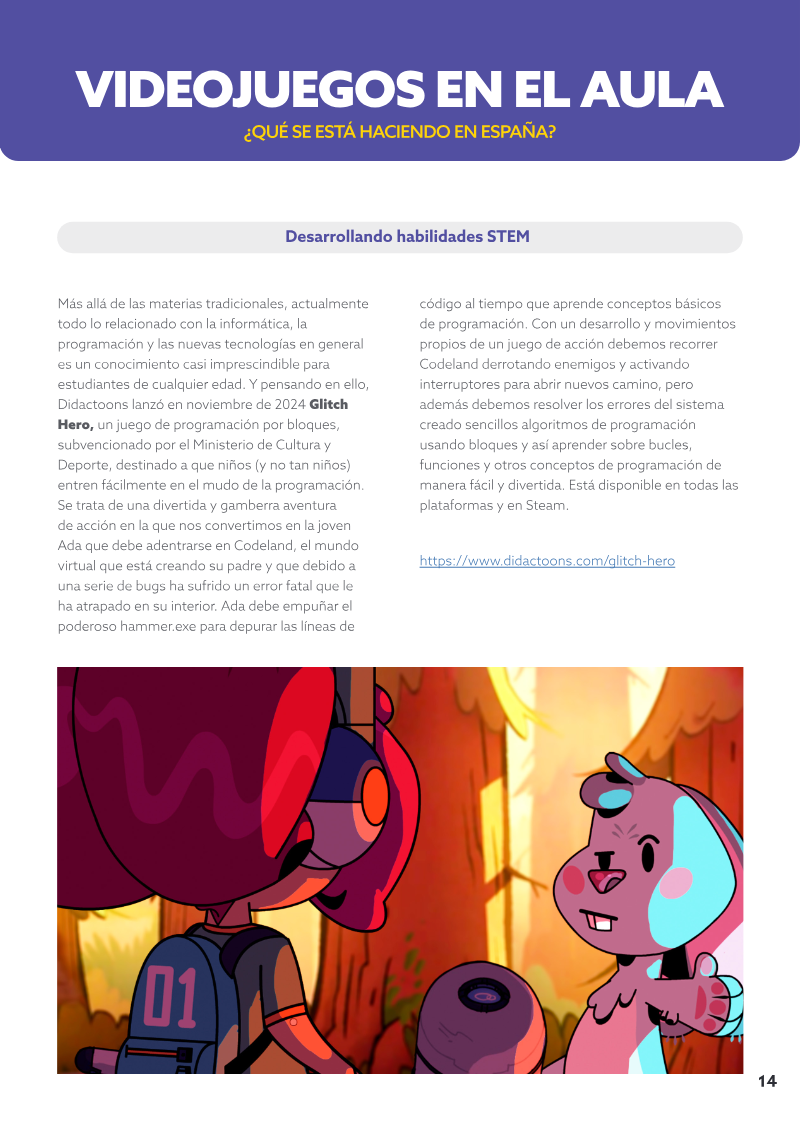
AEVI · 2025