1 free read left. Create a free account for unlimited reading + AI research.
Create free accountReport Invest in Finland
1 free read left. Create a free account for unlimited reading + AI research.
Create free accountReportInvest in Finland
The sector generated approximately EUR 70–80 million in net sales.
Sales & Workforce. The Finnish gaming industry generated approximately EUR 70–80 million in net sales in 2006, supported by a workforce of over 1,200 professionals.
See it on page 3The Finnish gaming industry in 2007 stands as a rapidly expanding sector, characterized by high technical proficiency and a strong international orientation. With net sales reaching approximately EUR 70–80 million in 2006 and a workforce of over 1,200 professionals, the industry is successfully transitioning from a mobile-centric focus toward a diversified portfolio encompassing PC, console, and online platforms. This evolution is driven by a strategic shift toward digital distribution and service-oriented business models, which prioritize communal gaming experiences, user-generated content, and innovative monetization strategies such as micro-payments and in-game advertising.
Despite this momentum, the industry faces structural hurdles that threaten long-term scalability. While the workforce is highly motivated and supported by quality education and state funding agencies like Tekes, there is a notable deficit in business and marketing expertise. Furthermore, the sector struggles with a lack of venture capital and insufficient production support, which limits the ability of smaller studios to compete on a global scale. Mobile developers, in particular, contend with terminal fragmentation and technical limitations, forcing a pivot toward more scalable solutions like Flash Lite to maintain competitiveness.
To sustain growth, the industry must bridge the gap between its technical excellence and its commercial capabilities. The current ecosystem relies heavily on informal cooperation and networking facilitated by organizations such as Neogames and the IGDA. However, future success depends on improving export readiness, increasing investment in demo production, and fostering the growth of larger, more sustainable companies. By addressing these gaps in capital and business acumen, the Finnish gaming sector is well-positioned to continue outperforming the broader entertainment market while navigating the ongoing paradigm shift toward community-driven, service-based gaming.
Remedy Entertainment · 2026
Remedy Entertainment · 2025
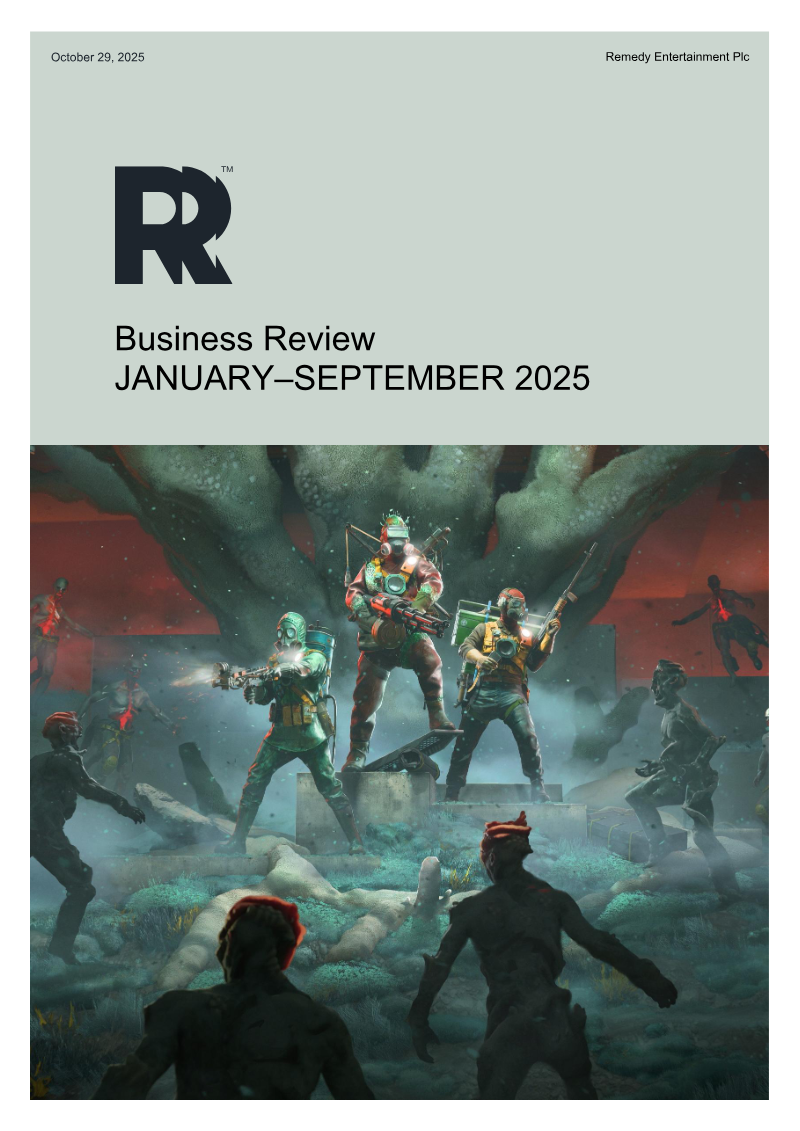
Remedy Entertainment · 2025
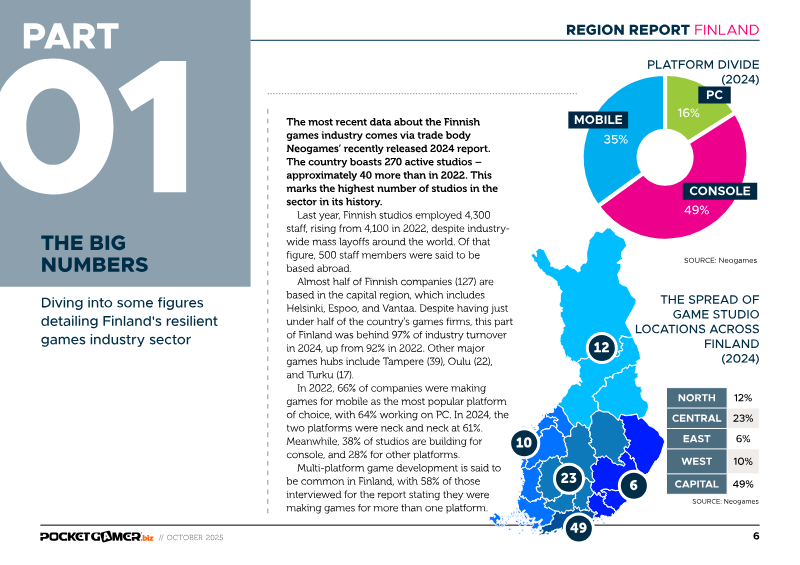
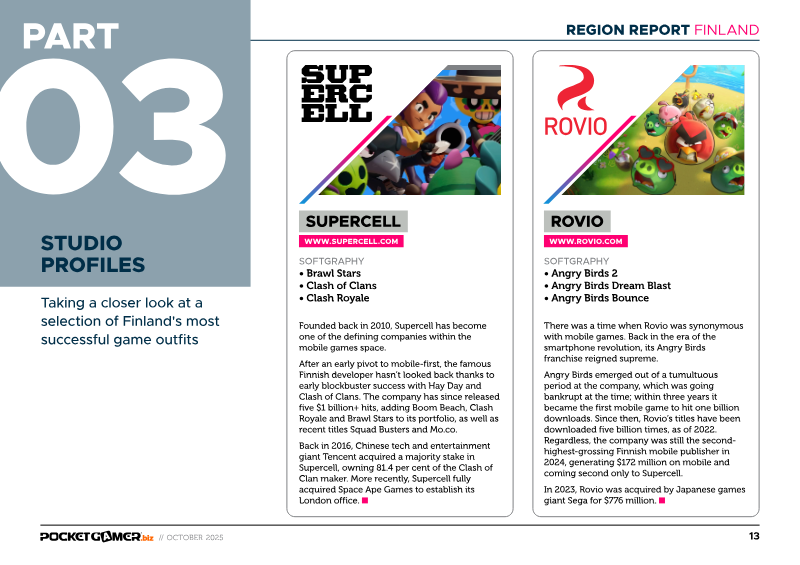
PocketGamer.biz · 2025
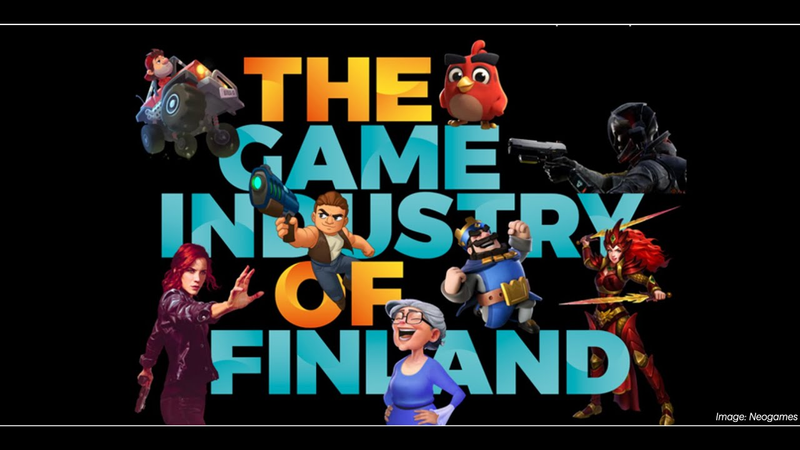
Deconstructor of Fun · 2025

Remedy Entertainment · 2025

Deconstructor of Fun · 2025

Nitro Games · 2025
Remedy Entertainment · 2025
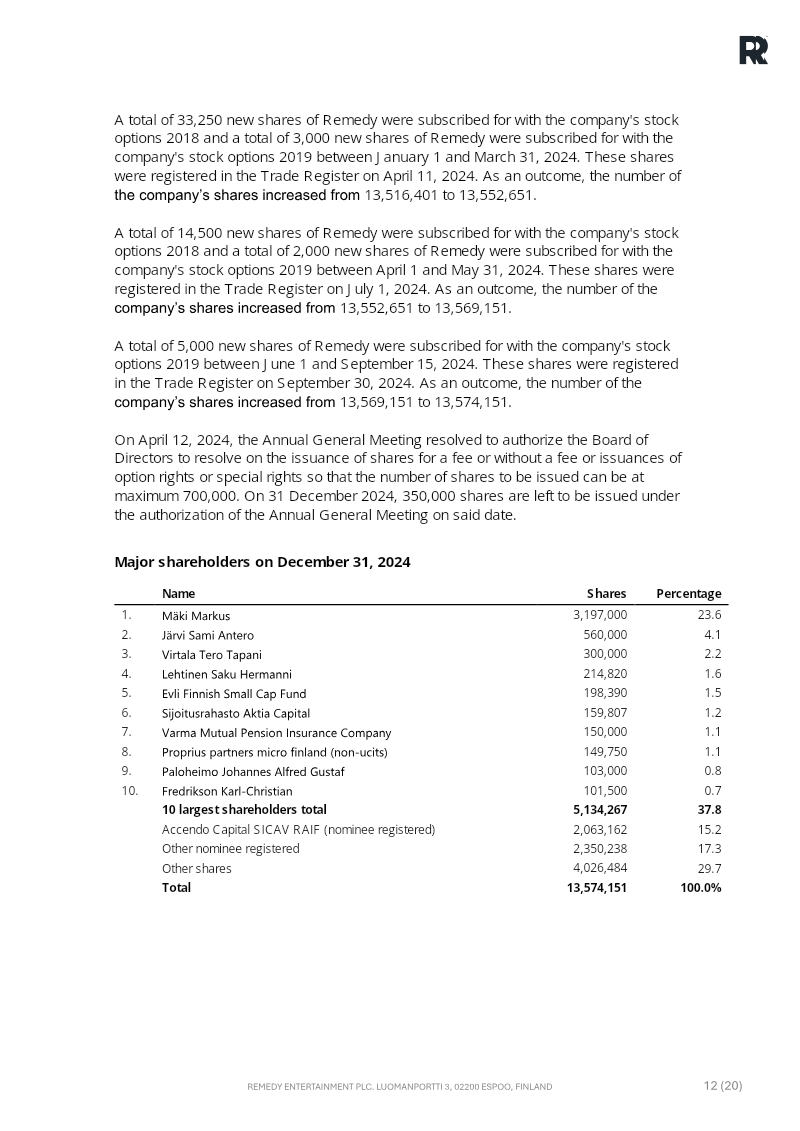
Remedy Entertainment · 2025

Remedy Entertainment · 2024


Remedy Entertainment · 2024