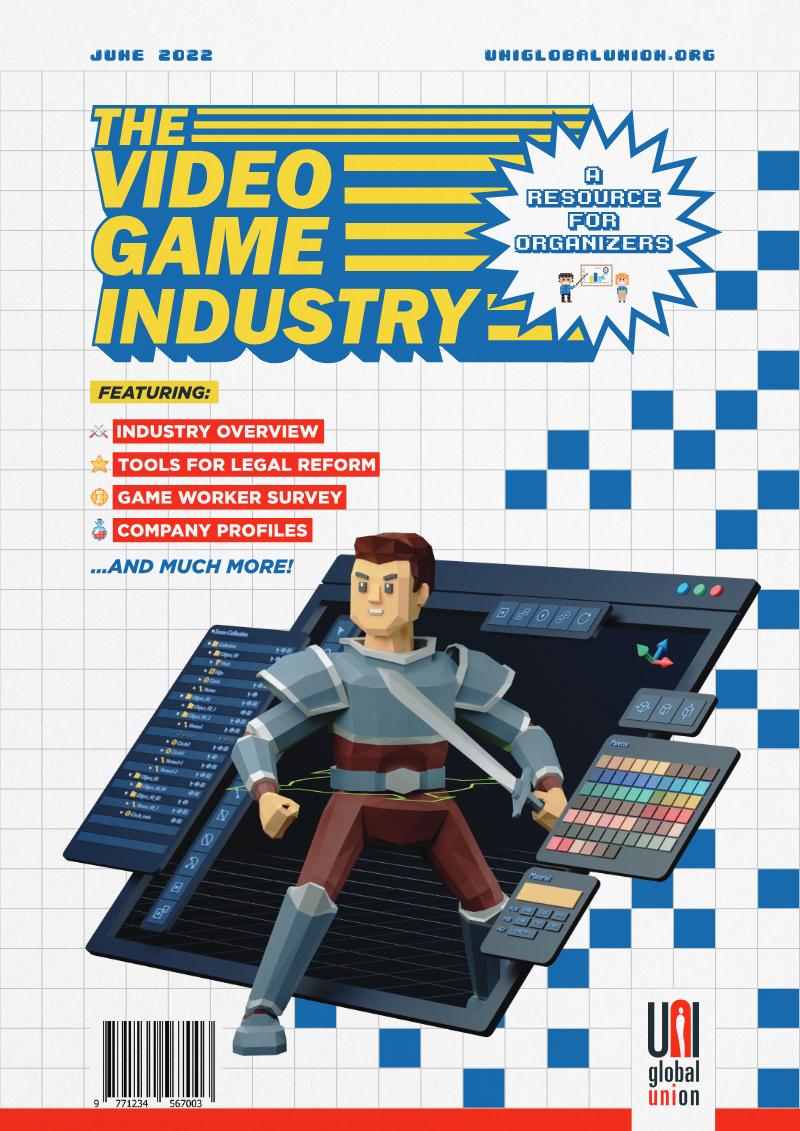
The global video game industry has evolved into a massive economic powerhouse, with market valuations projected to reach $435 billion by 2028. Despite this rapid financial expansion and a workforce exceeding 330,000 employees, the sector is defined by significant market consolidation and systemic labor instability. Major corporations, including industry giants like Tencent, exert immense influence over a landscape increasingly characterized by aggressive mergers and acquisitions. This consolidation often exacerbates existing labor challenges, leaving individual workers vulnerable to precarious employment conditions and reduced bargaining power.
Pervasive workplace issues remain a defining feature of the industry, with employees frequently reporting low compensation, excessive mandatory overtime known as crunch, and systemic discrimination or harassment. The widespread use of restrictive non-disclosure and non-compete agreements further complicates these conditions, often stifling professional mobility and preventing fair credit attribution for creative contributions. These systemic failures have fostered a climate of instability, particularly for contractors and post-production staff who face limited job security and limited recourse against workplace misconduct.
In response to these conditions, there is a robust and growing movement toward collective bargaining, with nearly 80 percent of surveyed employees expressing support for unionization. Successful organizing efforts, such as those led by quality assurance testers at Raven Software, signal a shift in labor dynamics. To achieve long-term stability, the industry requires comprehensive legal reforms, including stricter antitrust oversight regarding labor market competition and enhanced protections for worker rights. Addressing these structural inequities is essential to reconciling the industry’s immense financial success with the fundamental well-being and professional rights of its global workforce.