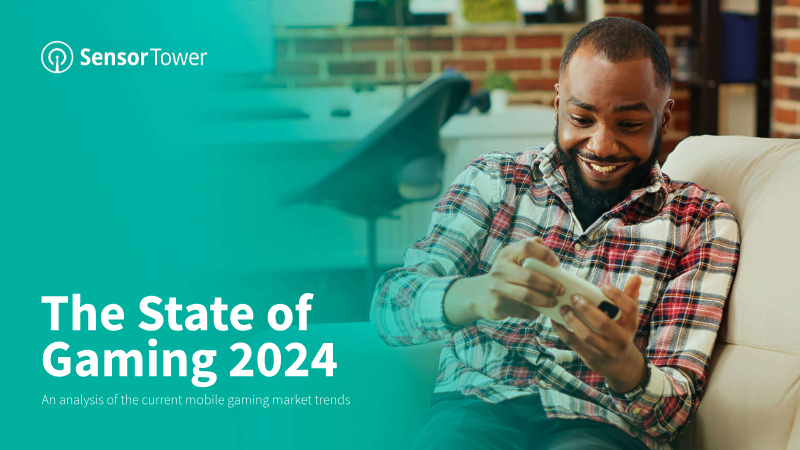
The global mobile gaming market underwent a significant correction in 2023, characterized by a 10% decline in downloads and a 2% dip in overall revenue. This downturn was primarily driven by escalating user acquisition costs and a post-pandemic stabilization of consumer habits. A distinct shift in player preference emerged as mid-core revenue fell by 9%, while casual and hybrid-casual segments grew by 8% and 30%, respectively. Despite these macro challenges, breakout successes like Monopoly Go! and Royal Match proved that innovative monetization and robust live operations can still yield massive returns in a tightening market.
Marketing strategies have evolved to prioritize high-impact collaborations and mobile advertising, which now commands 67% of global gaming ad spend. The industry is seeing a move toward gender parity in mid-core gaming, while platform-specific engagement has become more specialized, with TikTok attracting core gamers and Facebook remaining a stronghold for the female-skewing casual demographic. To mitigate rising costs, developers are increasingly leveraging intellectual property and transmedia expansions to drive organic discovery and long-term player retention.
Geographically, the industry focus is shifting toward emerging markets such as Latin America and the Middle East, where lower costs per install in countries like Brazil and Saudi Arabia offer new avenues for growth. While external subscription models, such as Netflix Games, experienced a 194% surge in downloads, they currently represent a small and largely unprofitable portion of the total ecosystem. Consequently, the prevailing industry strategy emphasizes the optimization of existing titles through aggressive live operations and brand partnerships rather than relying solely on new user acquisition in saturated Western markets.
Sensor Tower · 2026
Adjust · 2026
Sensor Tower · 2026
Sensor Tower · 2026
Sensor Tower · 2026
Sensor Tower · 2026
Sensor Tower · 2026

Sensor Tower · 2026

Sensor Tower · 2026

Sensor Tower · 2026

Sensor Tower · 2026

Sensor Tower · 2026

Almedia · 2026

AppLovin · 2026
Modern Times Group · 2026
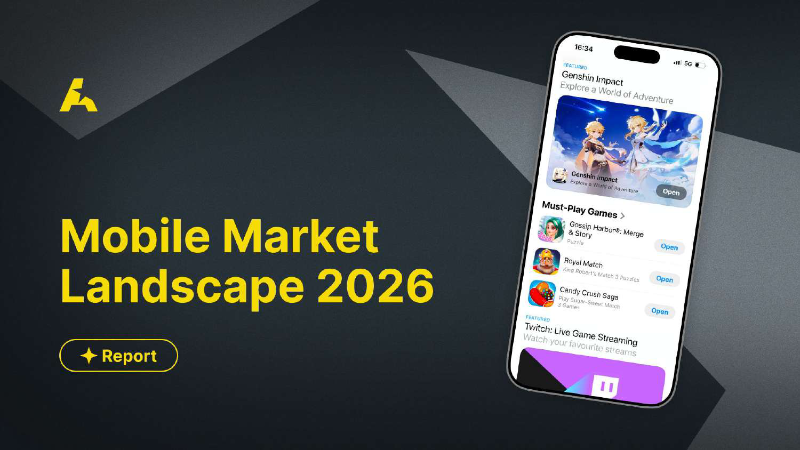
AppMagic · 2026
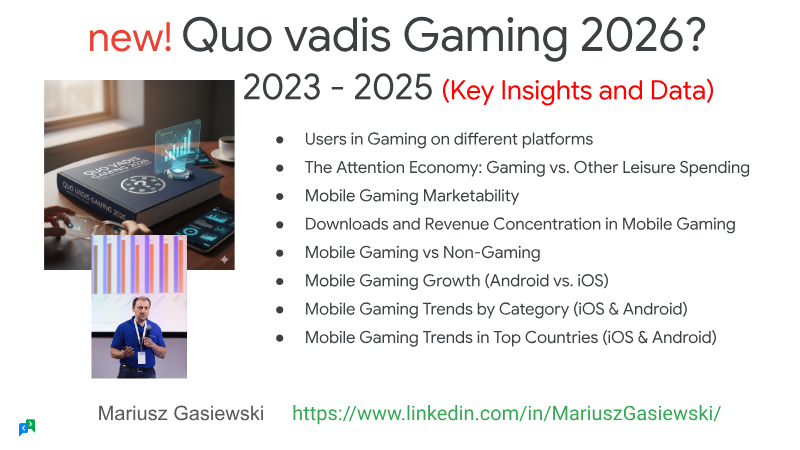
InvestGame · 2026

Coda · 2026

Sensor Tower · 2026
Sensor Tower · 2026
InvestGame · 2025

G5 Entertainment AB · 2025
Xsolla · 2025
Sensor Tower · 2025