ReportVideo Games Europe
How to Master Europe’s Digital Infrastructure Needs?
1 Jun 20246 pages~15 min full read
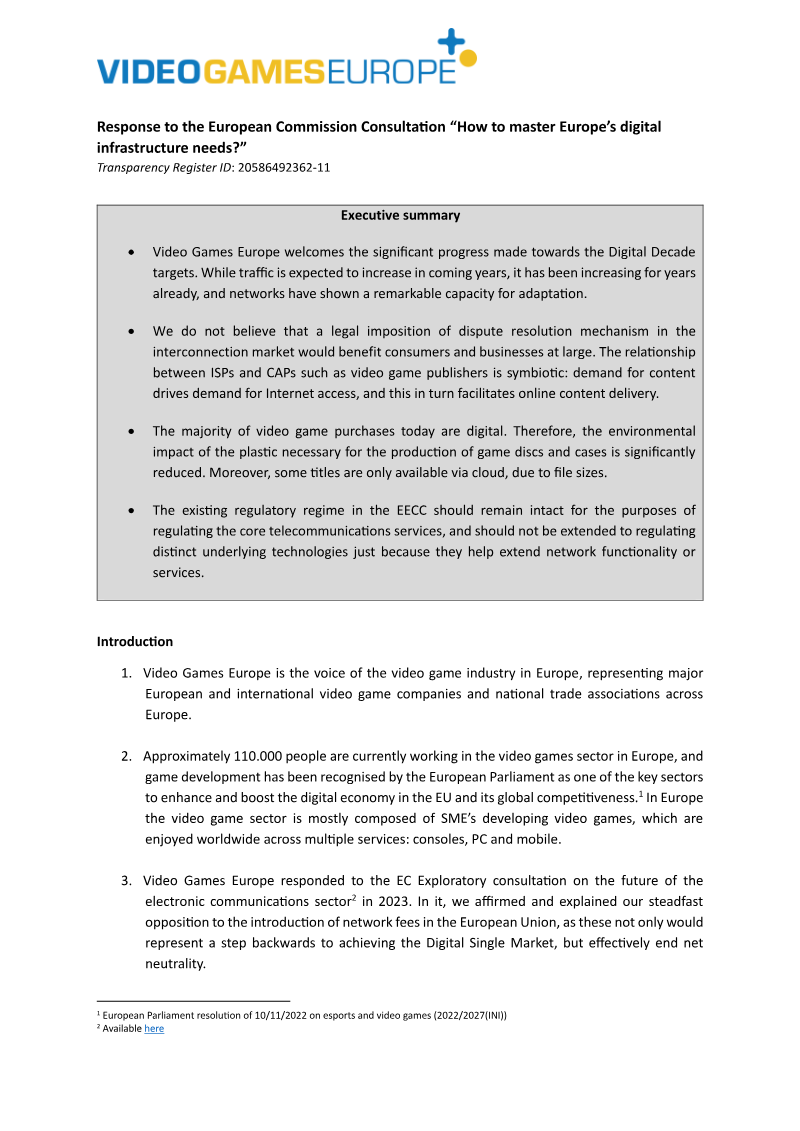
Video Games Europe argues that Europe’s digital infrastructure policy should reinforce, rather than reshape, the existing market dynamics that underpin the continent’s thriving video‑game ecosystem. Representing roughly 110 000 employees and a €24.5 billion industry in which 53 percent of Europeans play, the association stresses that the sector’s growth is driven by digital distribution, which already reduces the environmental burden of physical media and, in many cases, relies on cloud delivery to limit data transfer. Typical online gameplay consumes between 60 and 80 megabytes per hour, with even the most data‑intensive titles rarely exceeding 250–300 megabytes, a fraction of the traffic generated by video streaming services.
The response highlights that network operators successfully managed the surge in traffic during the COVID‑19 lockdowns and that game publishers have collaborated with ISPs and content‑delivery networks to smooth peak loads through measures such as off‑peak download scheduling. It refutes claims that content providers “free‑ride” on ISP infrastructure, noting that publishers already pay for enhanced upload capacity and invest in their own CDN and data‑centre assets. Consequently, the relationship between content and application providers and ISPs is portrayed as symbiotic, fostering competition and consumer choice.
Against proposals to impose network fees or extend the European Electronic Communications Code to cloud services, the association warns that such pre‑emptive regulation could undermine net neutrality, increase consumer prices, and jeopardise Europe’s digital competitiveness. It calls for regulatory stability to protect investment security and urges that any infrastructure deployment be guided by concrete market demand rather than aspirational targets. The position draws on industry data, BEREC assessments of network resilience, and the sector’s own mitigation practices, concluding that preserving the current regulatory framework will best support sustainable growth and innovation across Europe’s digital economy.
Video Games Europe · 2026

Video Games Europe · 2026

Video Games Europe · 2026

Video Games Europe · 2026

Video Games Europe · 2026

Video Games Europe · 2026
Video Games Europe · 2025
Video Games Europe · 2025
Video Games Europe · 2025
Video Games Europe · 2025
Video Games Europe · 2025
Video Games Europe · 2025
Newzoo · 2022
Newzoo · 2022
Newzoo · 2022
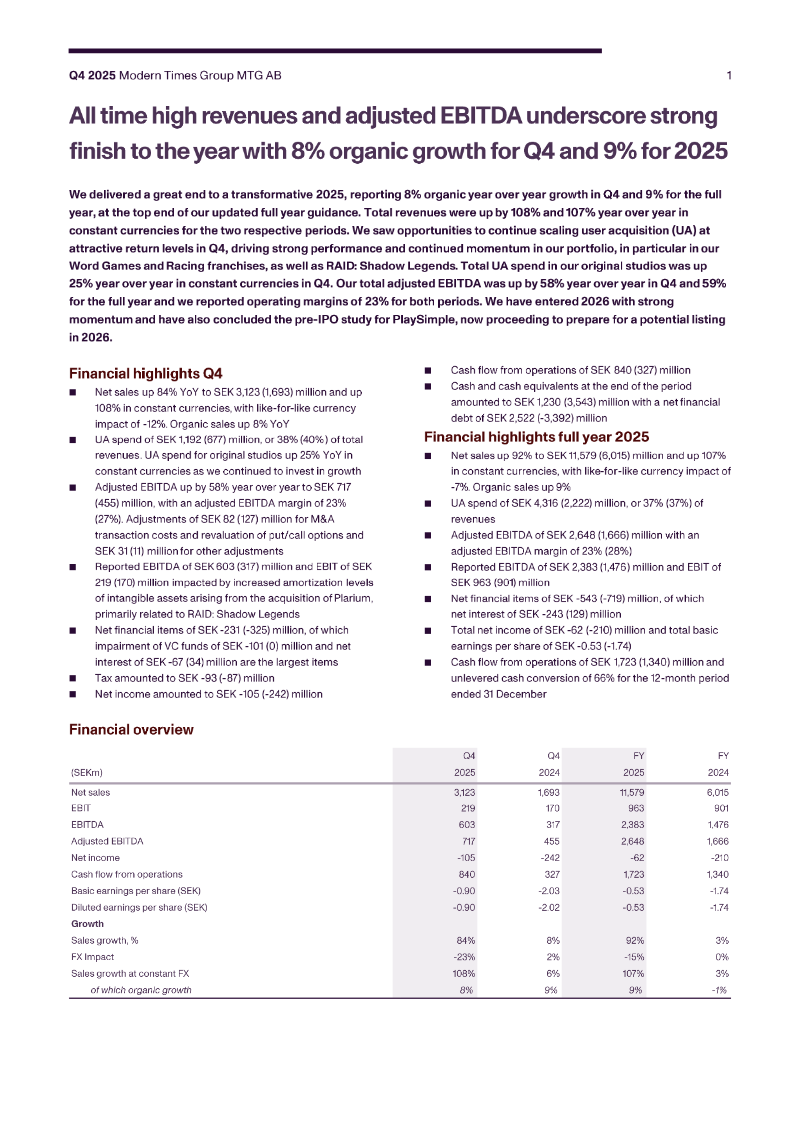
Modern Times Group · 2026
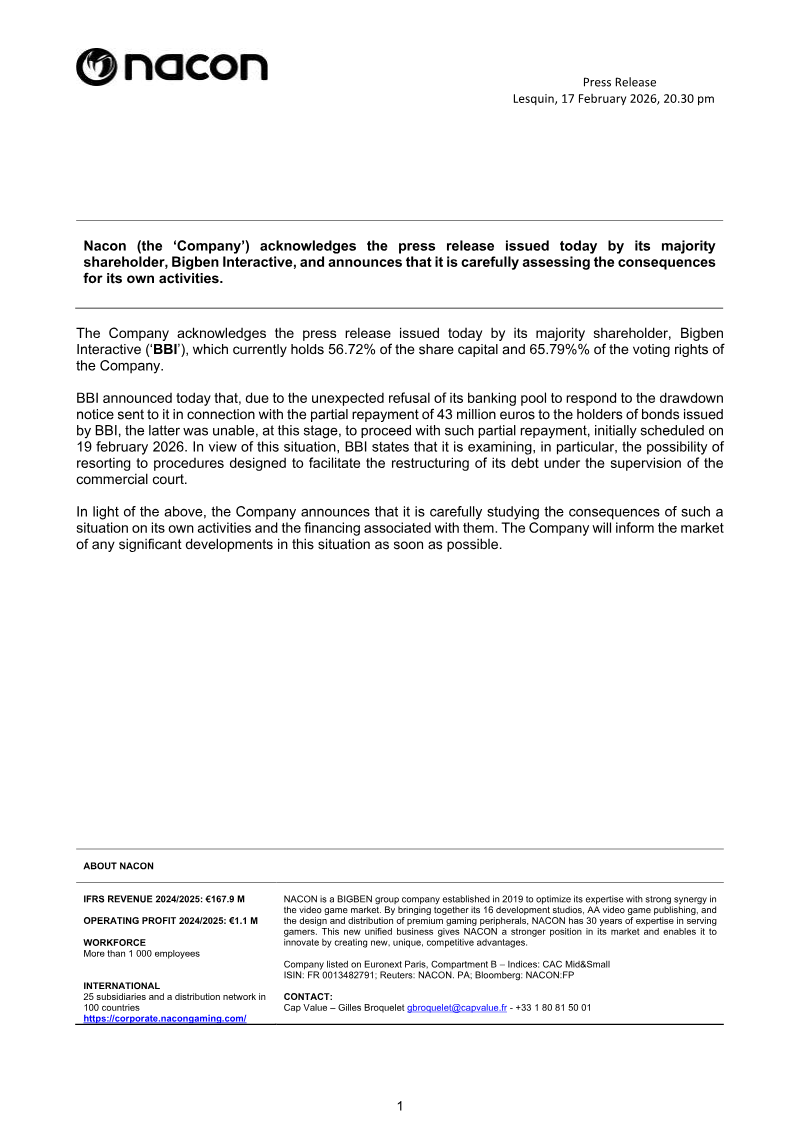
Nacon · 2026
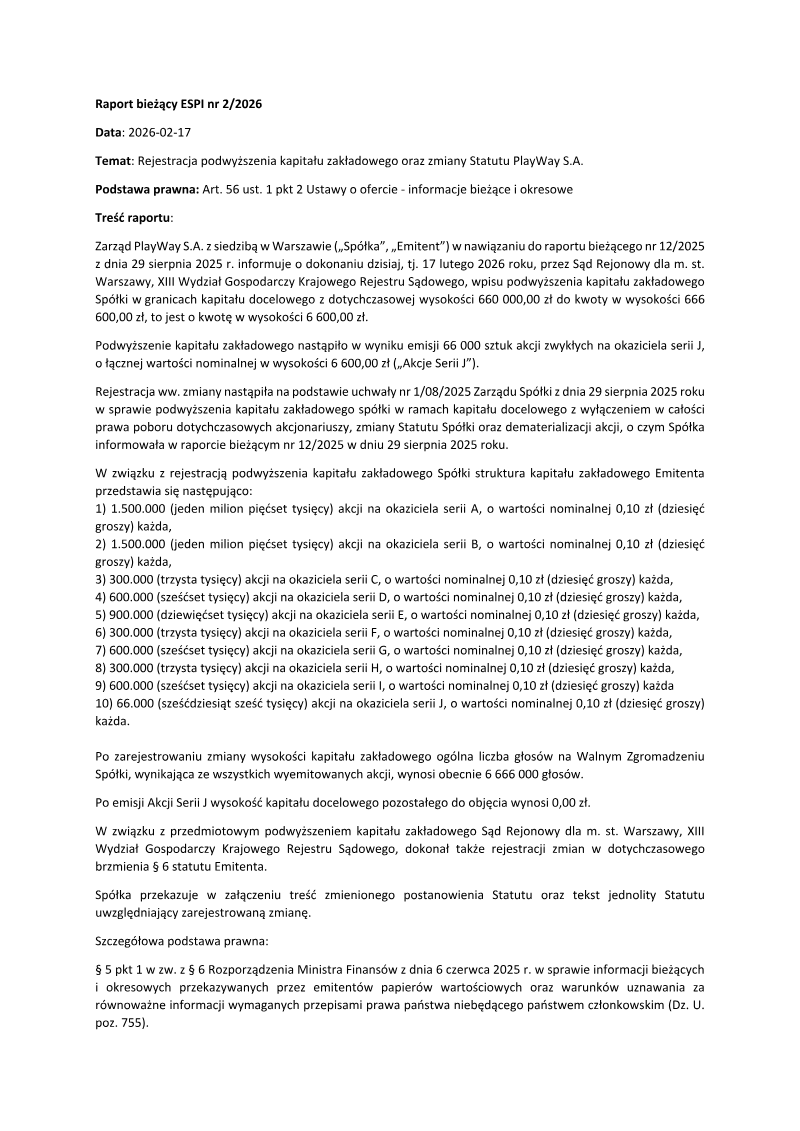
PlayWay · 2026

Stillfront Group · 2026
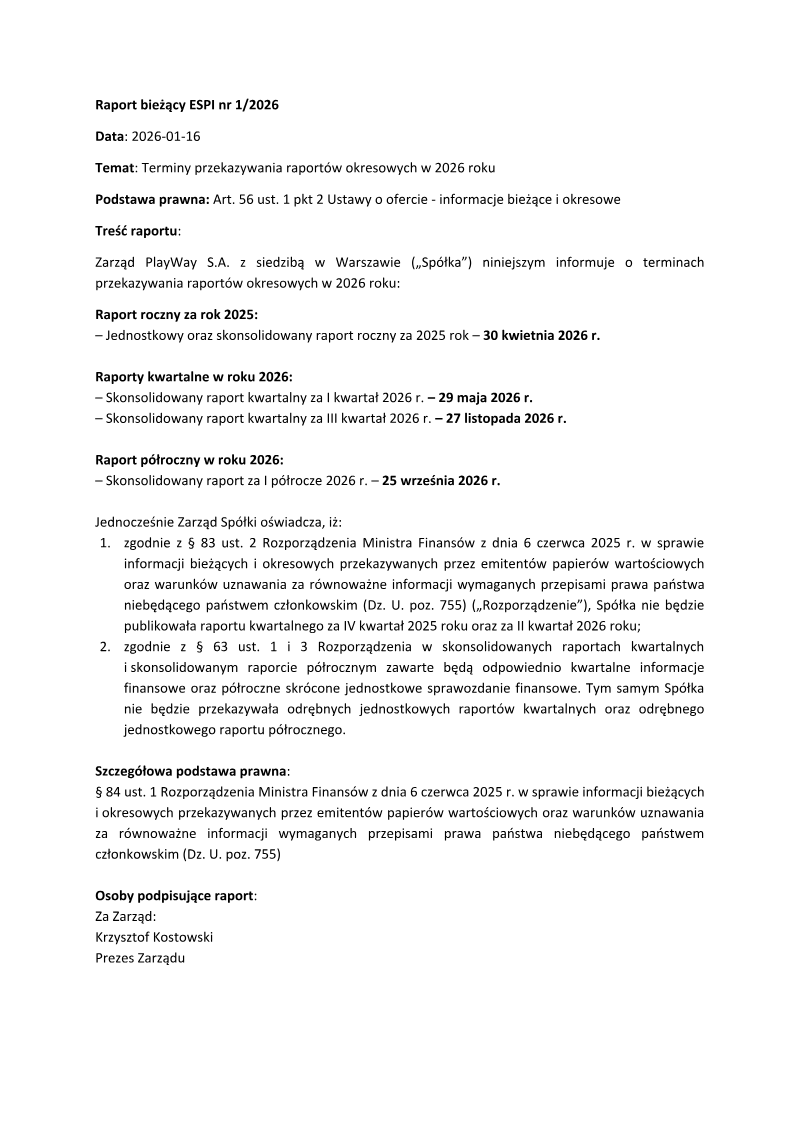
PlayWay · 2026
PCF Group · 2025
11 bit studios · 2025
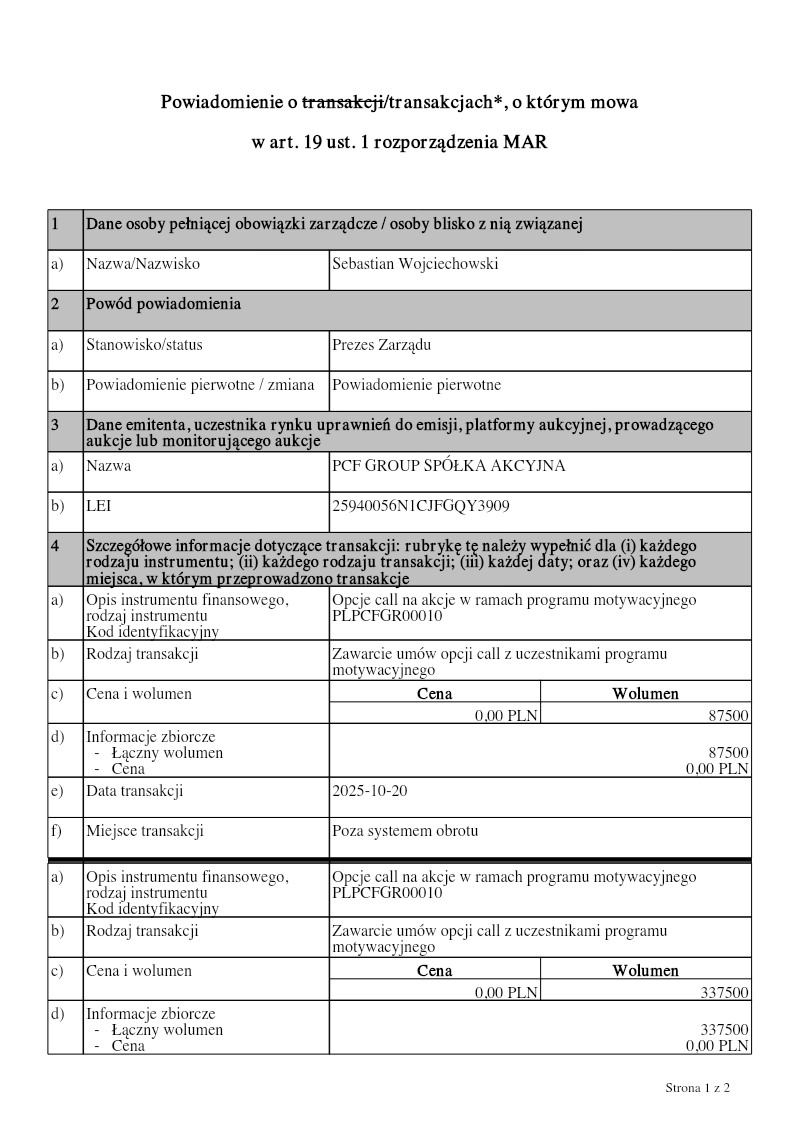
PCF Group · 2025
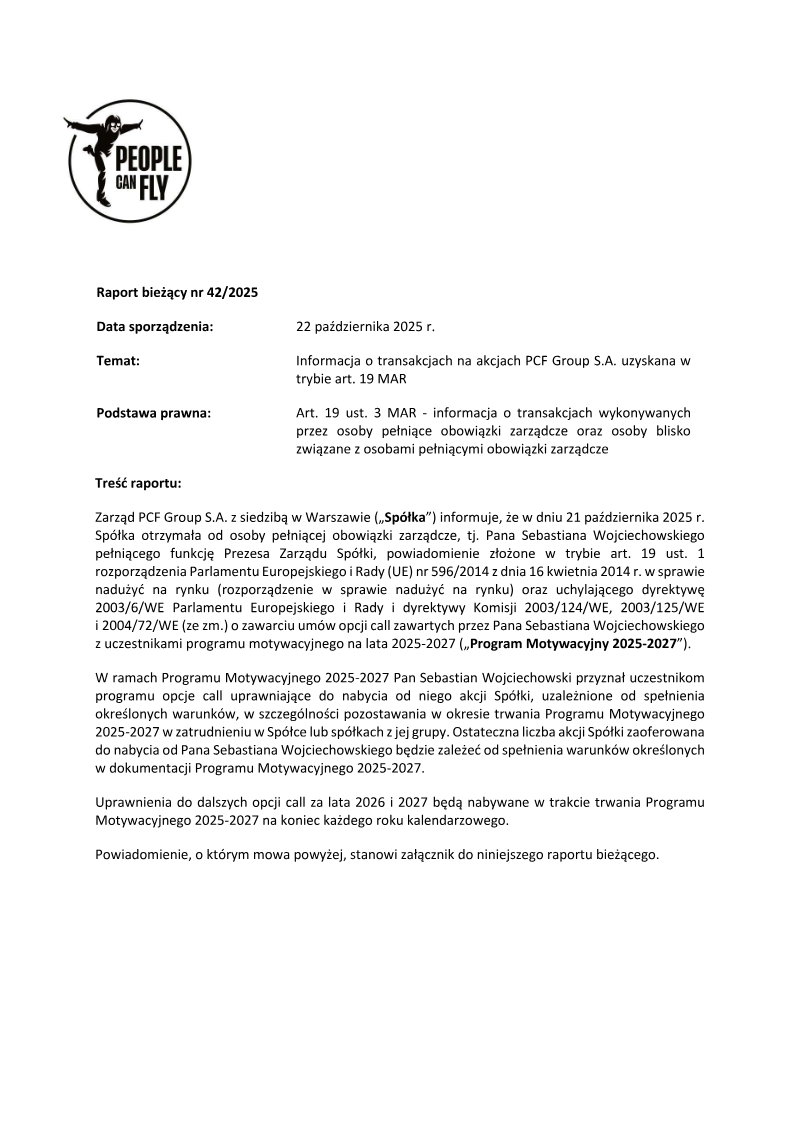
PCF Group · 2025