FinancialKLab
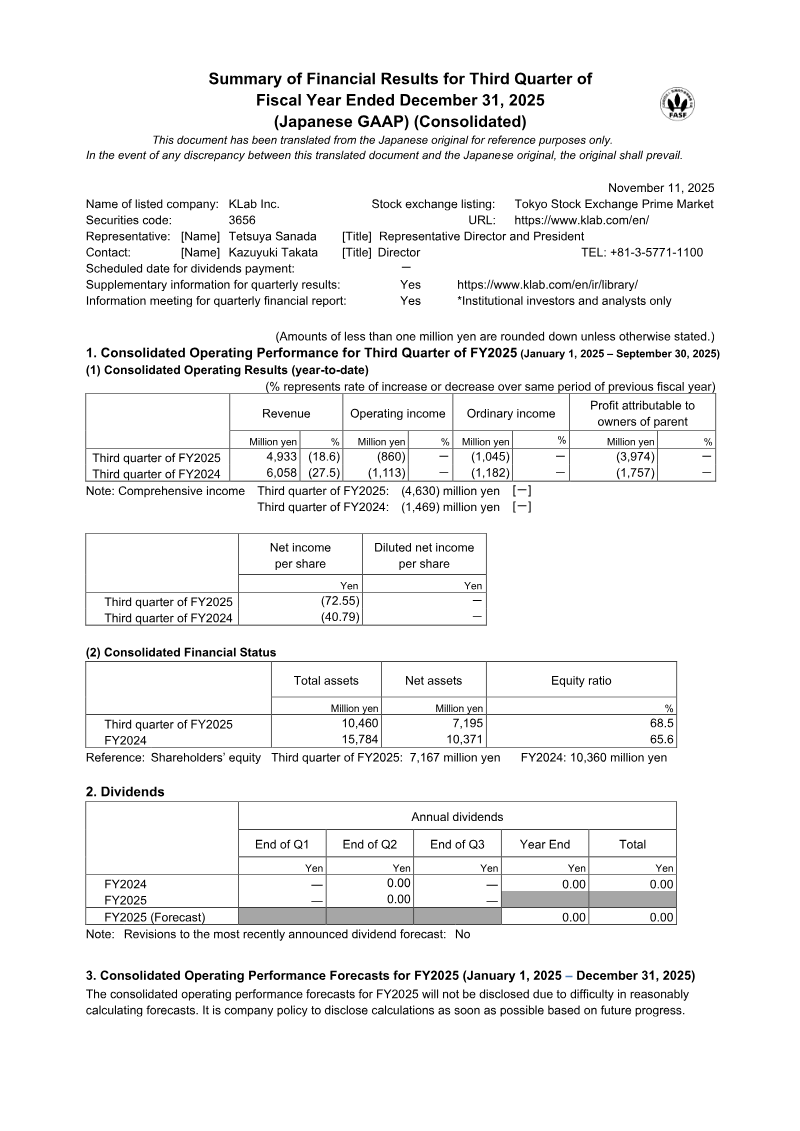
Summary of Financial Results for Third Quarter of Fiscal Year Ended December 31, 2025
1 Nov 202511 pages~22 min full read
KLab Inc. experienced a significant downturn during the third quarter of fiscal year 2025, characterized by an 18.6% year-over-year revenue decline to ¥4.93 billion. This contraction was primarily driven by weakening performance in established titles such as Captain Tsubasa: Dream Team and a general decrease in income from paid users within the game business. Despite aggressive cost-cutting measures and a ¥1.57 billion gain from the sale of investment securities, the company recorded a substantial net loss of ¥3.97 billion. This loss was largely precipitated by a massive ¥4.42 billion impairment charge on software assets related to EA SPORTS FC™ TACTICAL and a reduction in goodwill following the divestment of GlobalGear Co. Ltd.
The financial strain resulted in a decrease of over ¥3.1 billion in total net assets, though the company mitigated some impact by raising approximately ¥719 million through the exercise of stock acquisition rights. While four consecutive years of operating deficits have prompted scrutiny regarding the company’s status as a going concern, management asserts that no material uncertainty exists. This confidence is based on steady progress with major intellectual properties, including Dragon Quest and My Hero Academia, alongside a strategic pivot toward generative AI and blockchain ventures to diversify future revenue streams.
Operating within the Japanese market during a period of rapid industry volatility, the company has withheld future performance forecasts. The current strategy focuses on maintaining liquidity through strict cost controls and asset sales while transitioning the business model to leverage emerging technologies. Despite the current net losses and the impairment of software in progress, the segment profit of ¥592 million suggests that core operations remain functional as the group attempts to stabilize its capital position and return to long-term profitability.
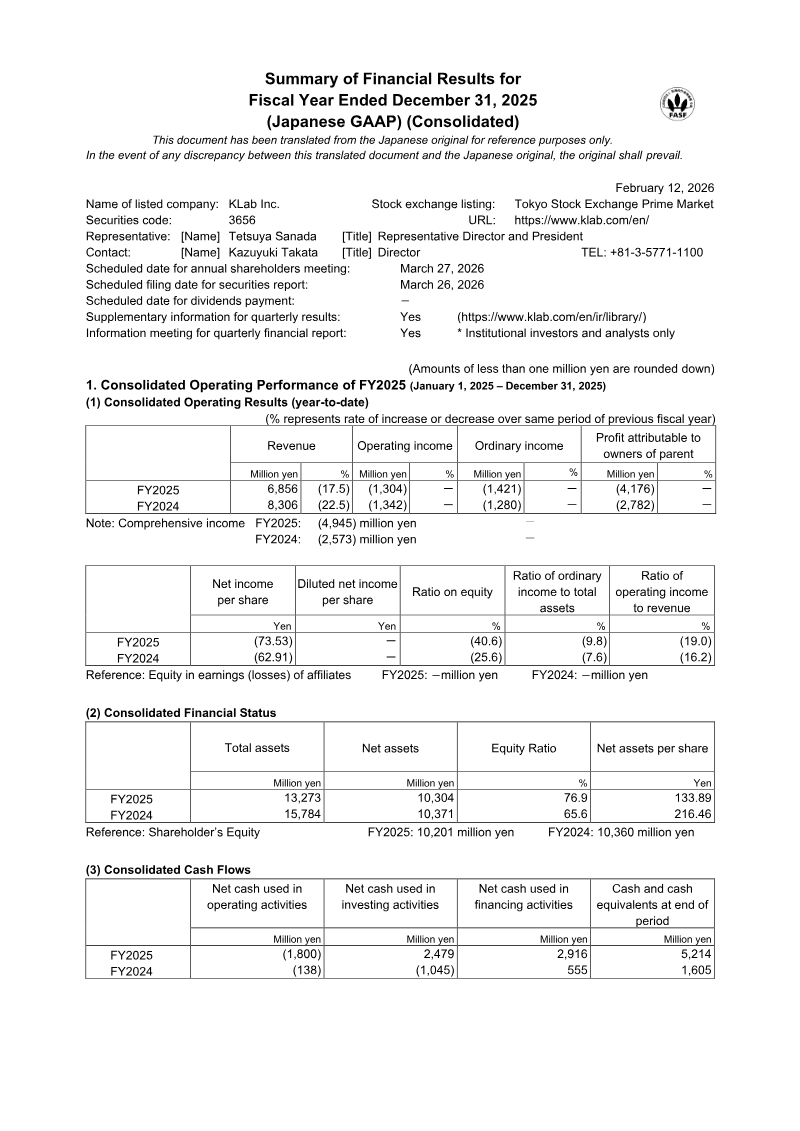
KLab · 2026
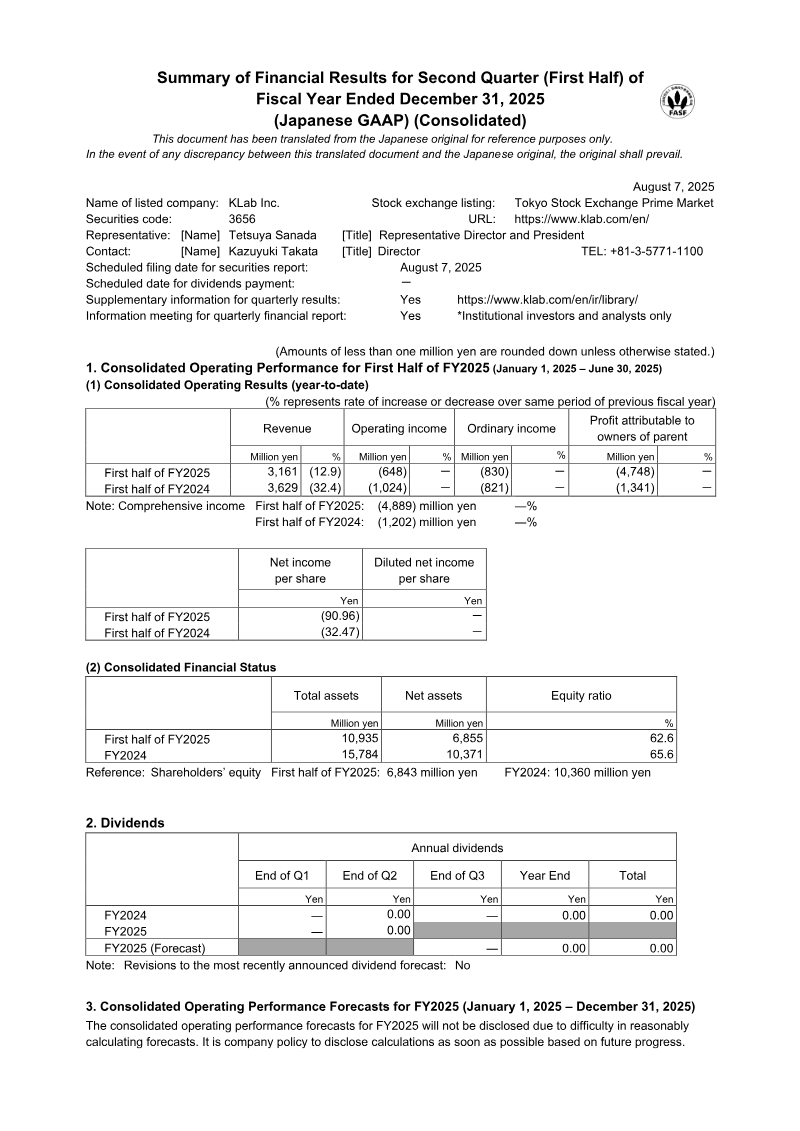
KLab · 2025
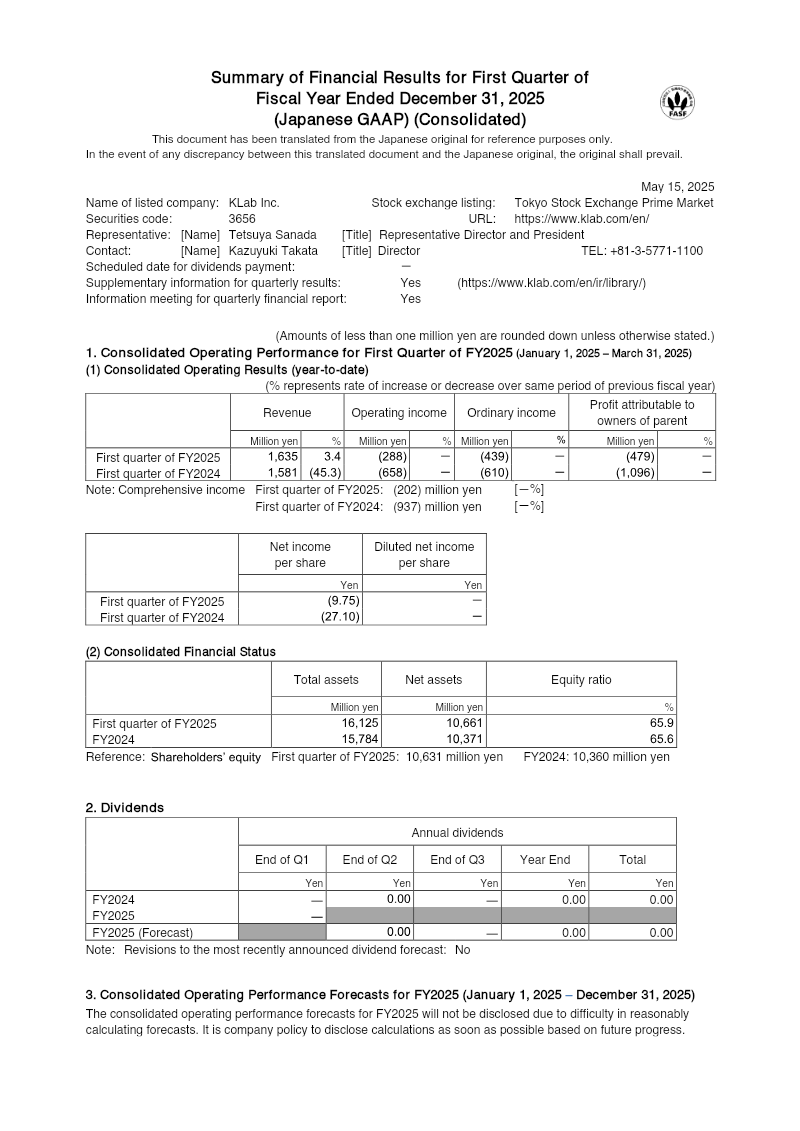
KLab · 2025
KLab · 2025
KLab · 2024
KLab · 2024
KLab · 2024
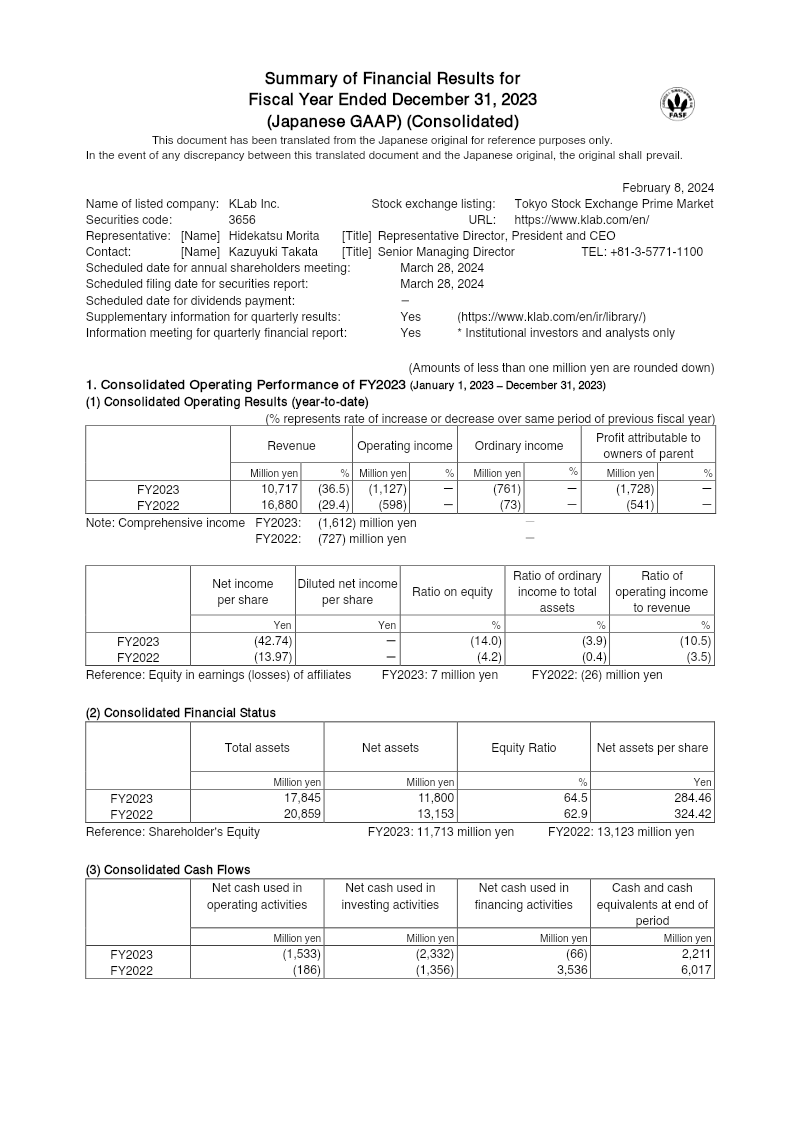
KLab · 2024
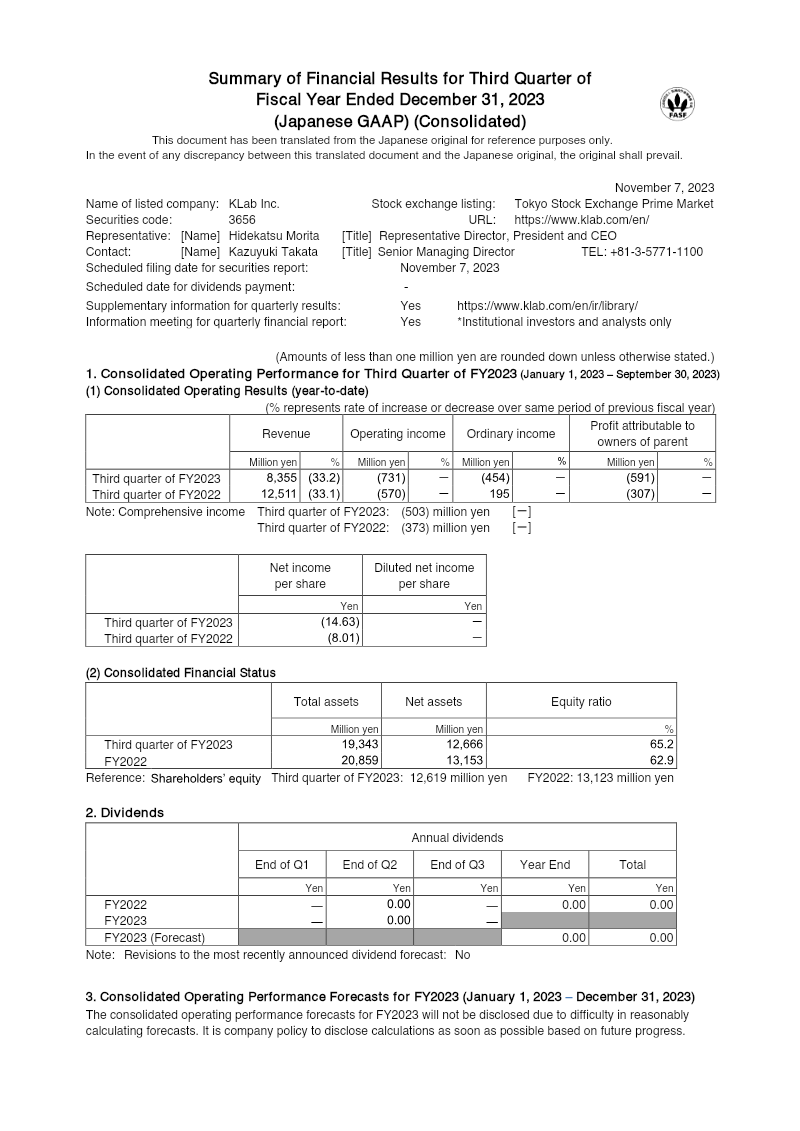
KLab · 2023
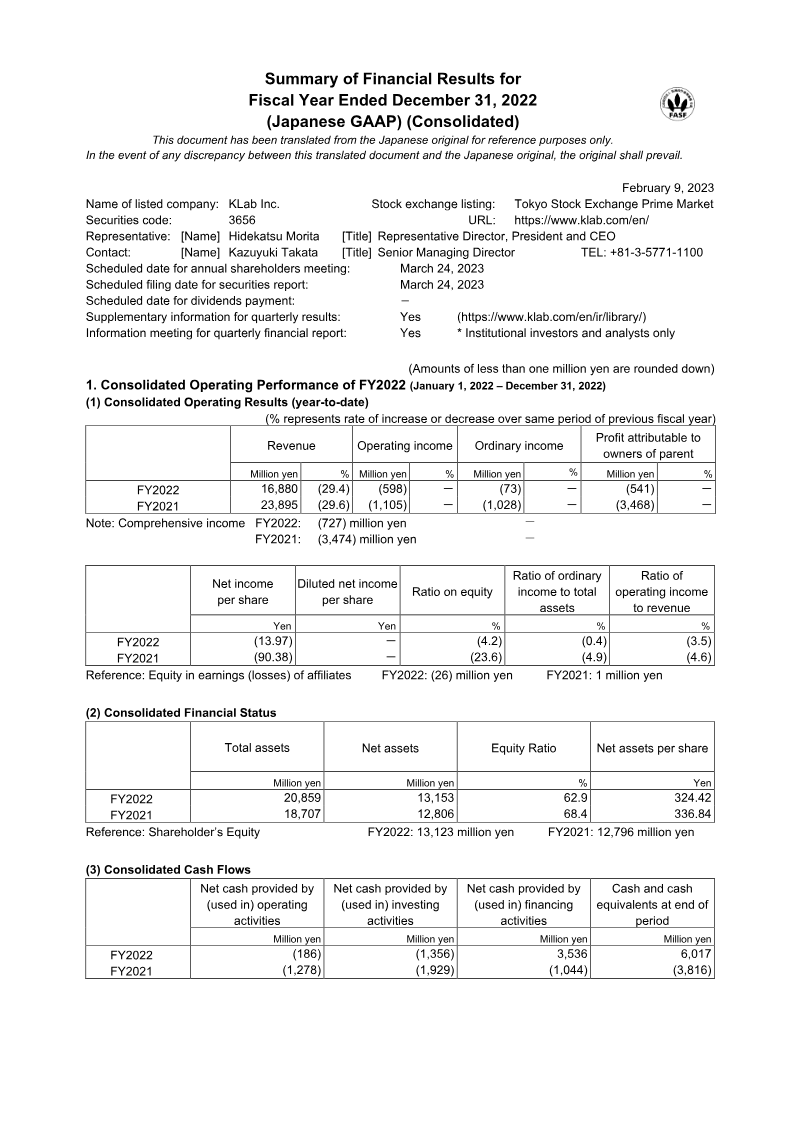
KLab · 2023
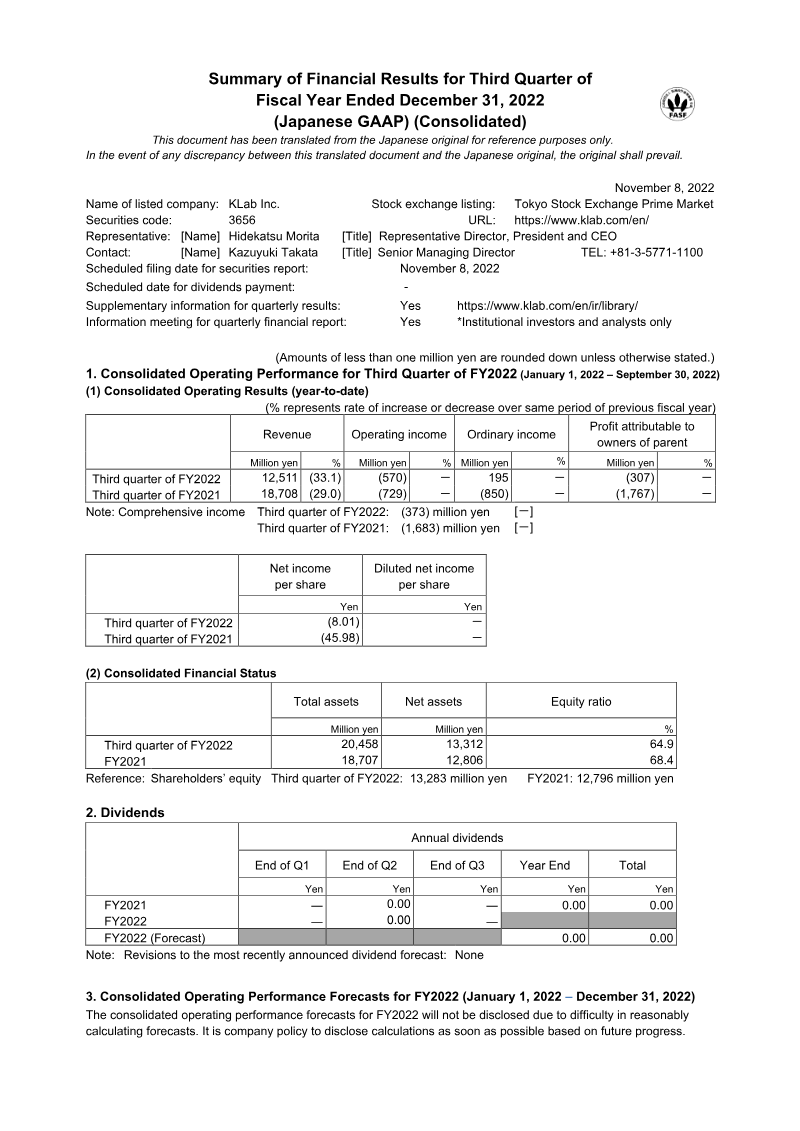
KLab · 2022
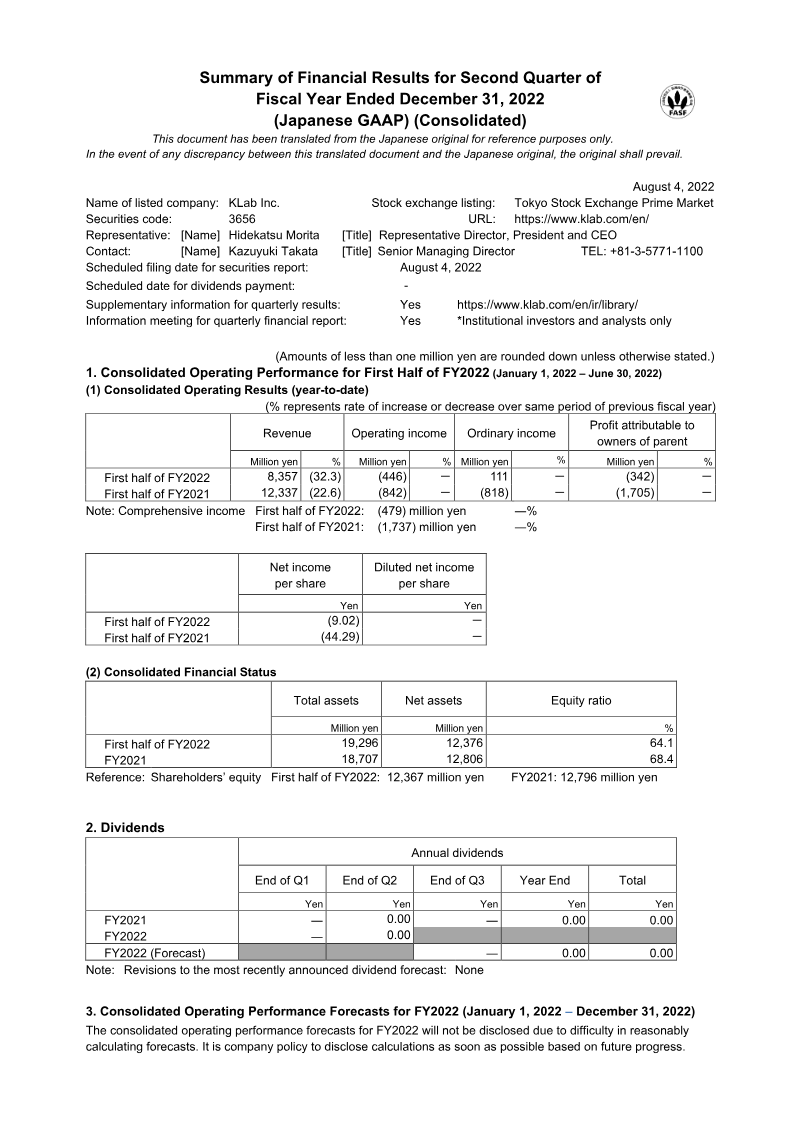
KLab · 2022
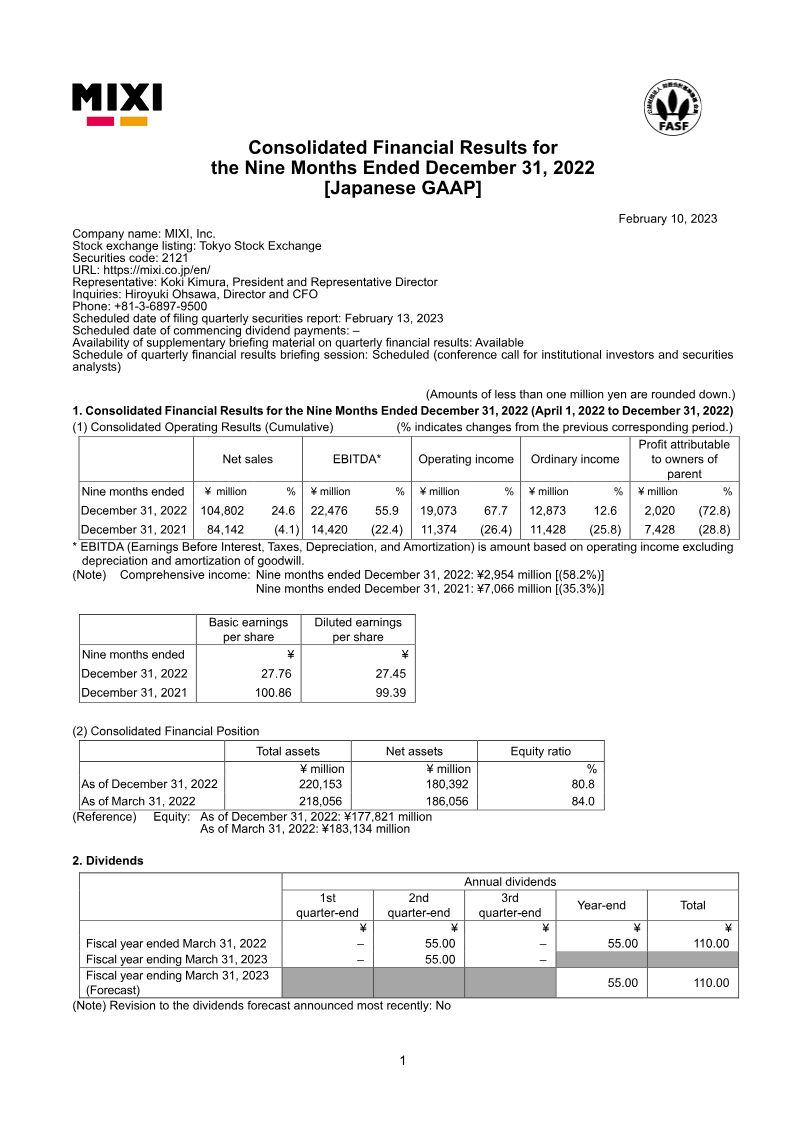
MIXI, Inc. · 2023
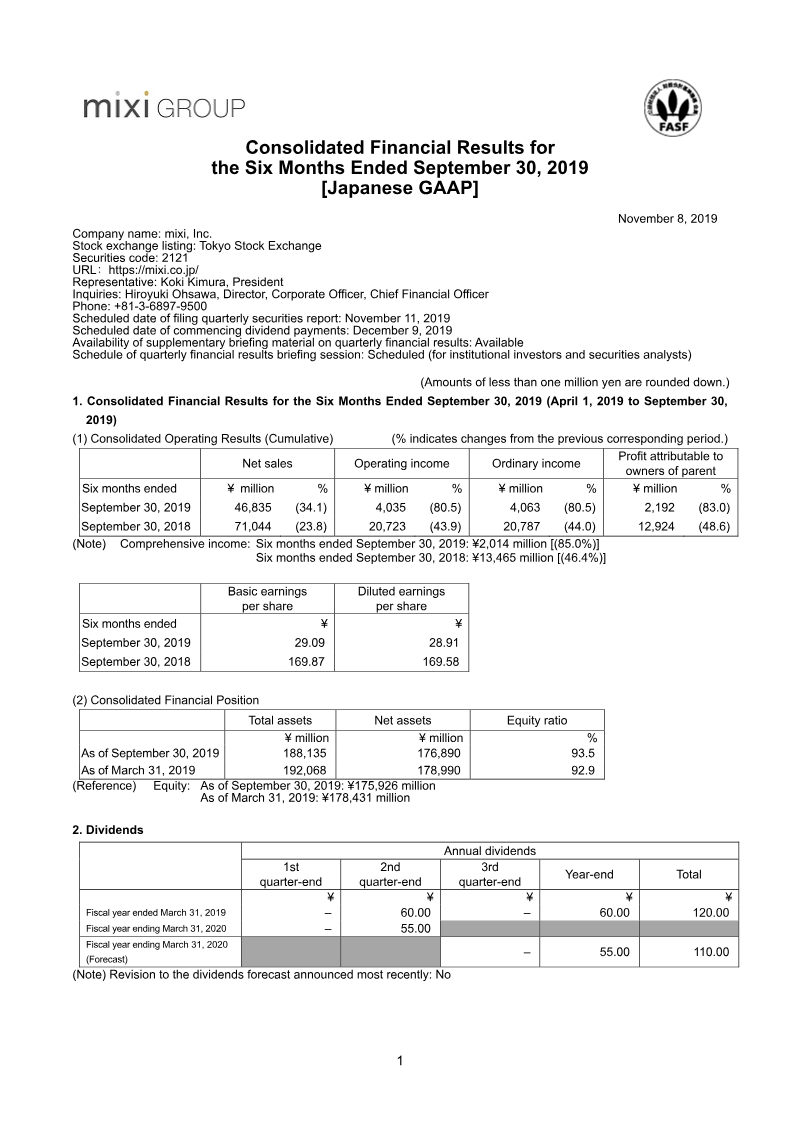
mixi · 2019
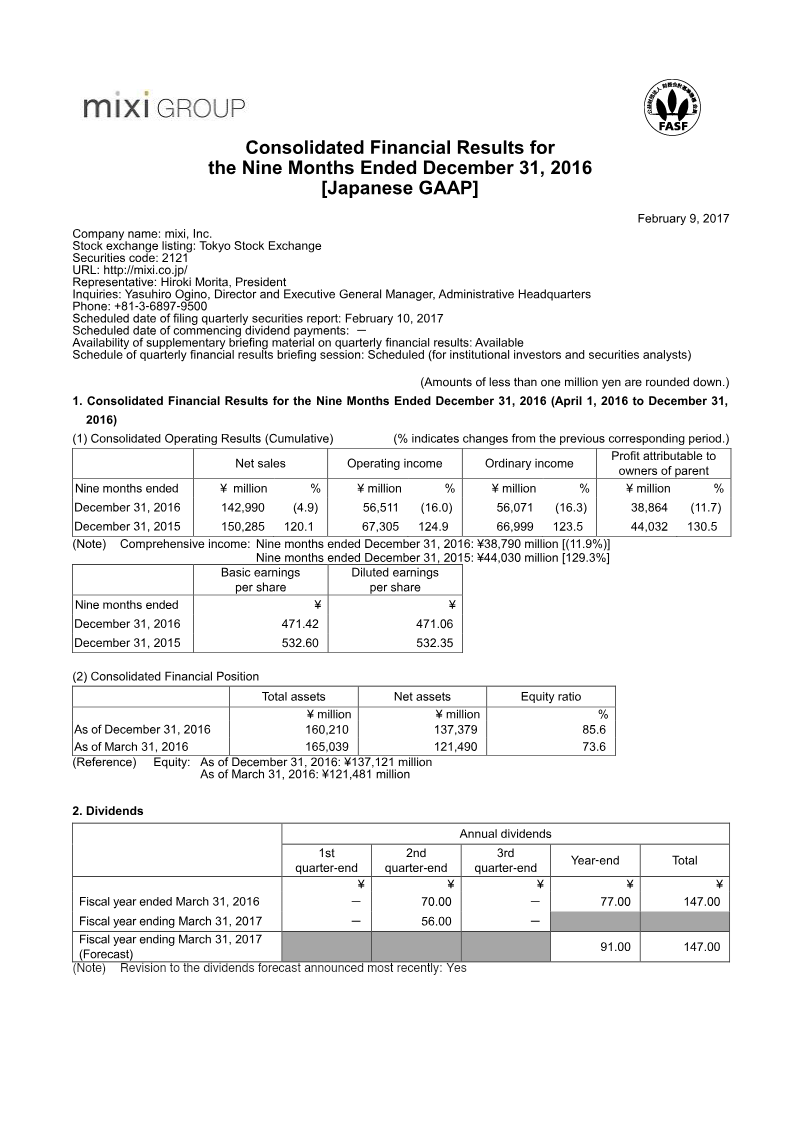
mixi · 2017
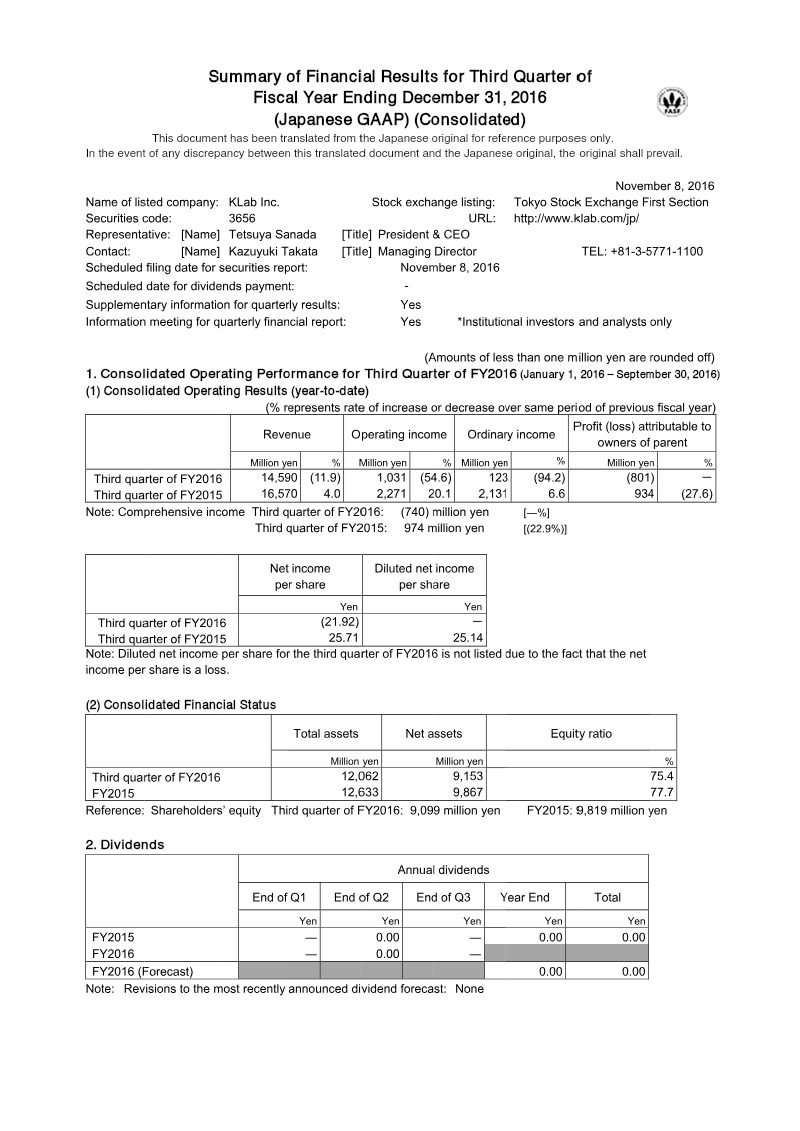
KLab · 2016
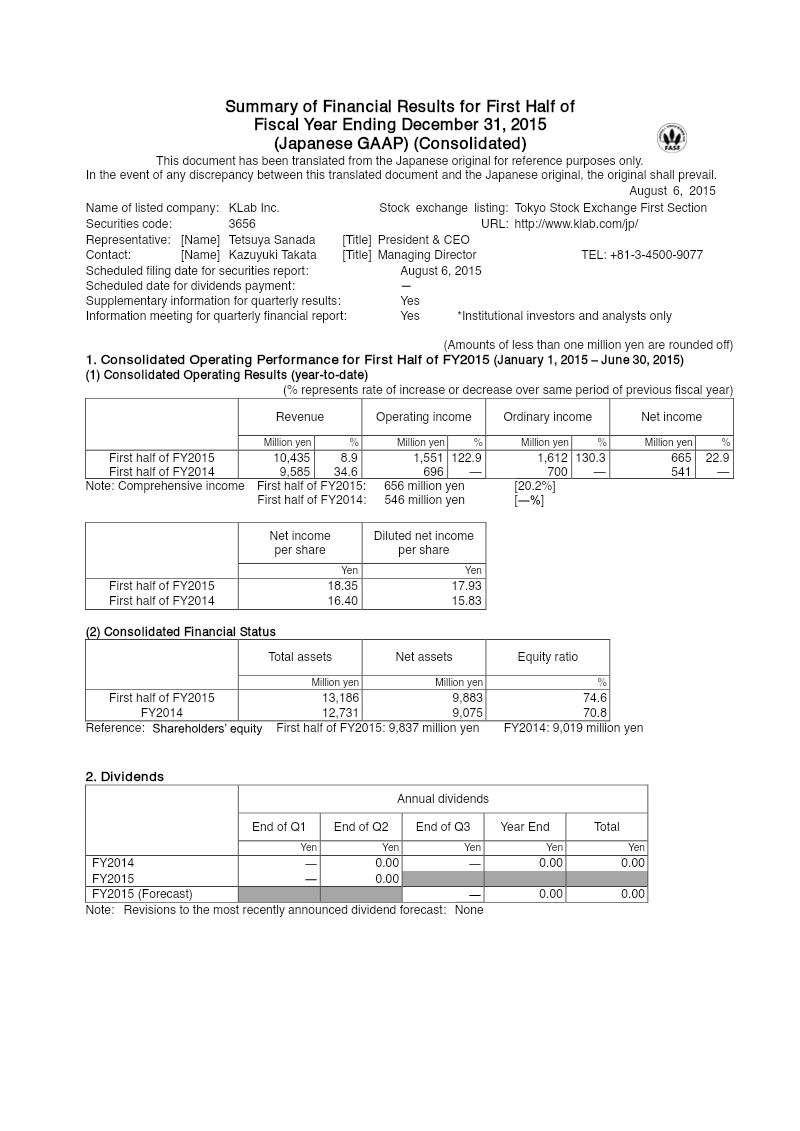
KLab · 2015
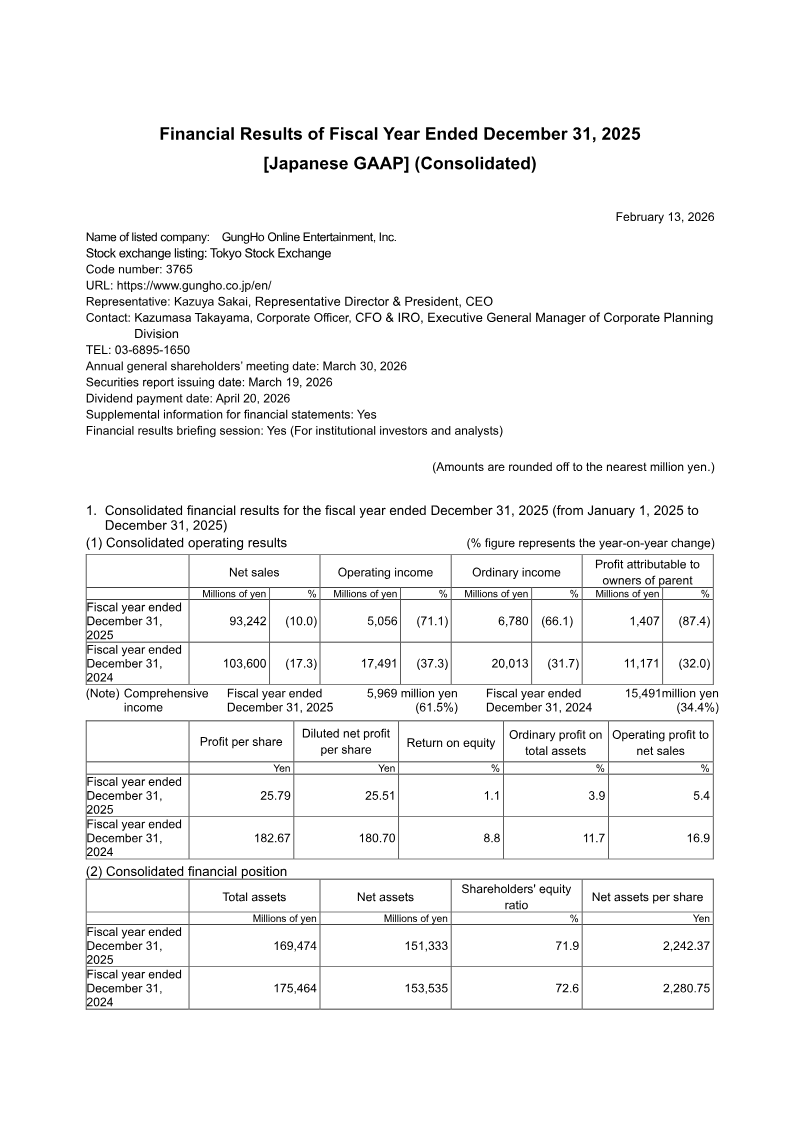
GungHo Online Entertainment · 2026
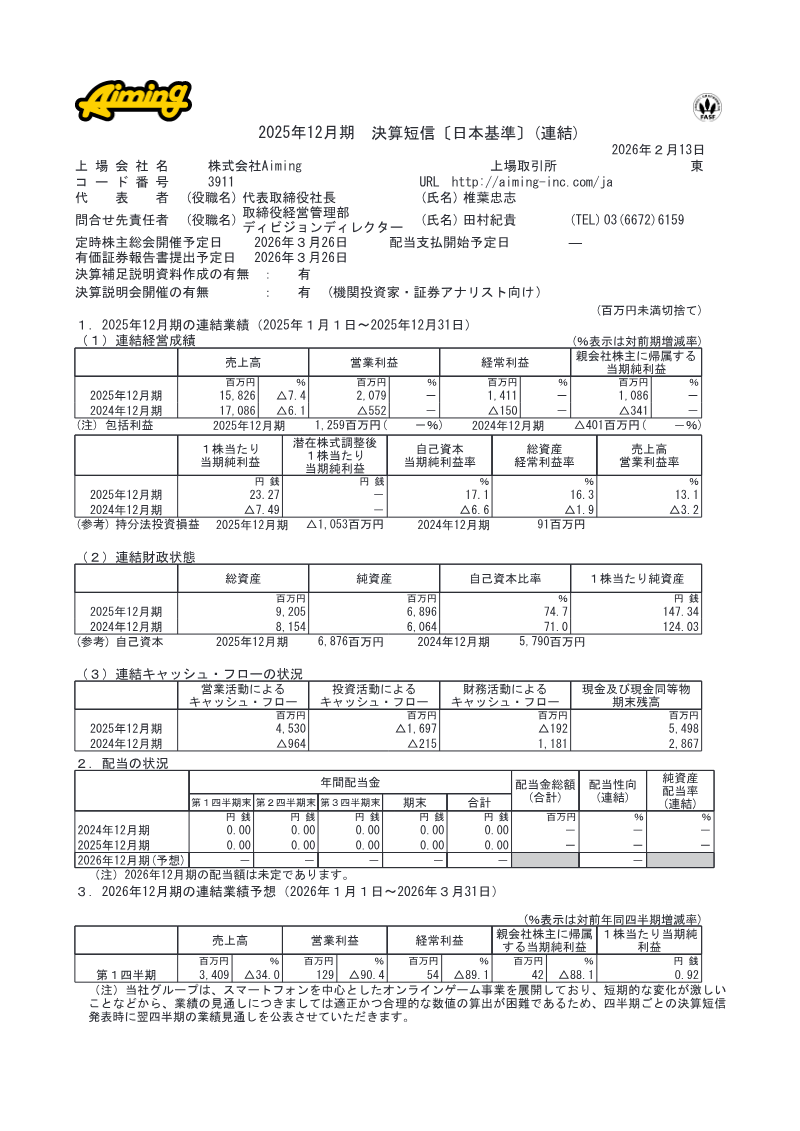
Aiming · 2026
COLOPL · 2026
Nippon Ichi Software · 2025
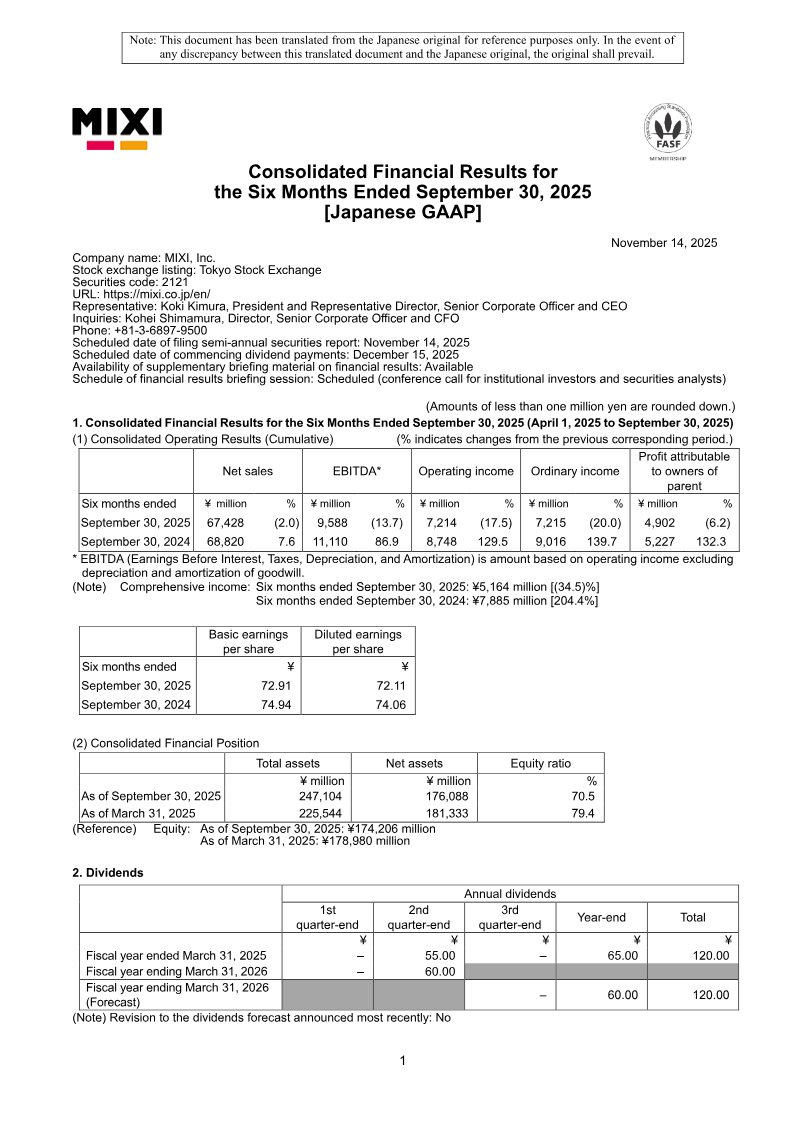
MIXI, Inc. · 2025
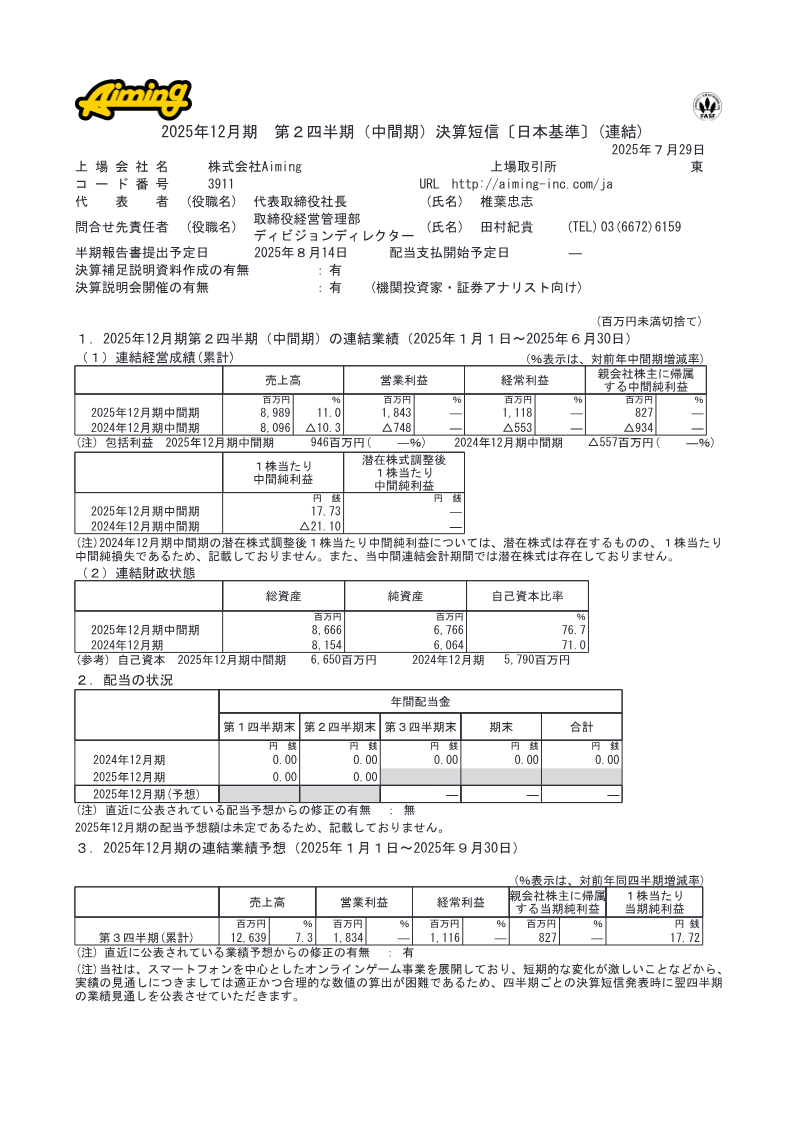
Aiming · 2025
Drecom Co. · 2025