PresentationSega Sammy Holdings
Q3 for the Fiscal Year Ending March 2026 Results Presentation
1 Feb 202653 pages~42 min full read
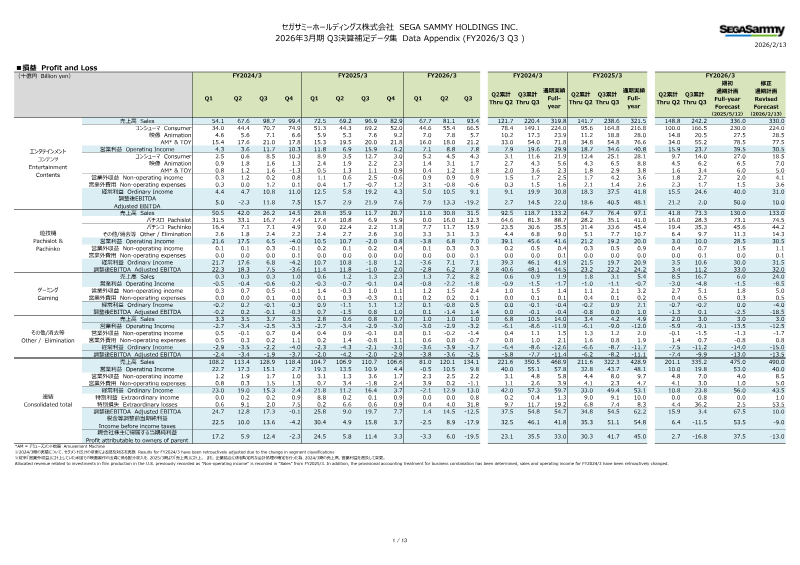
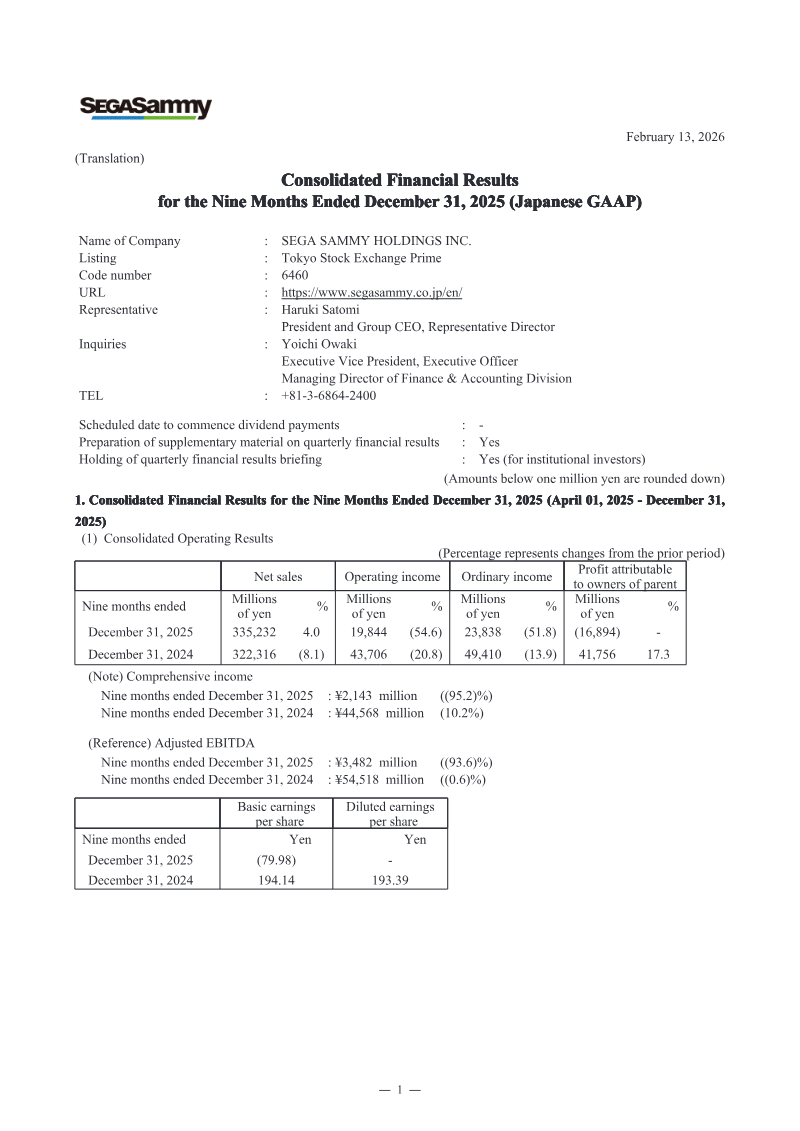
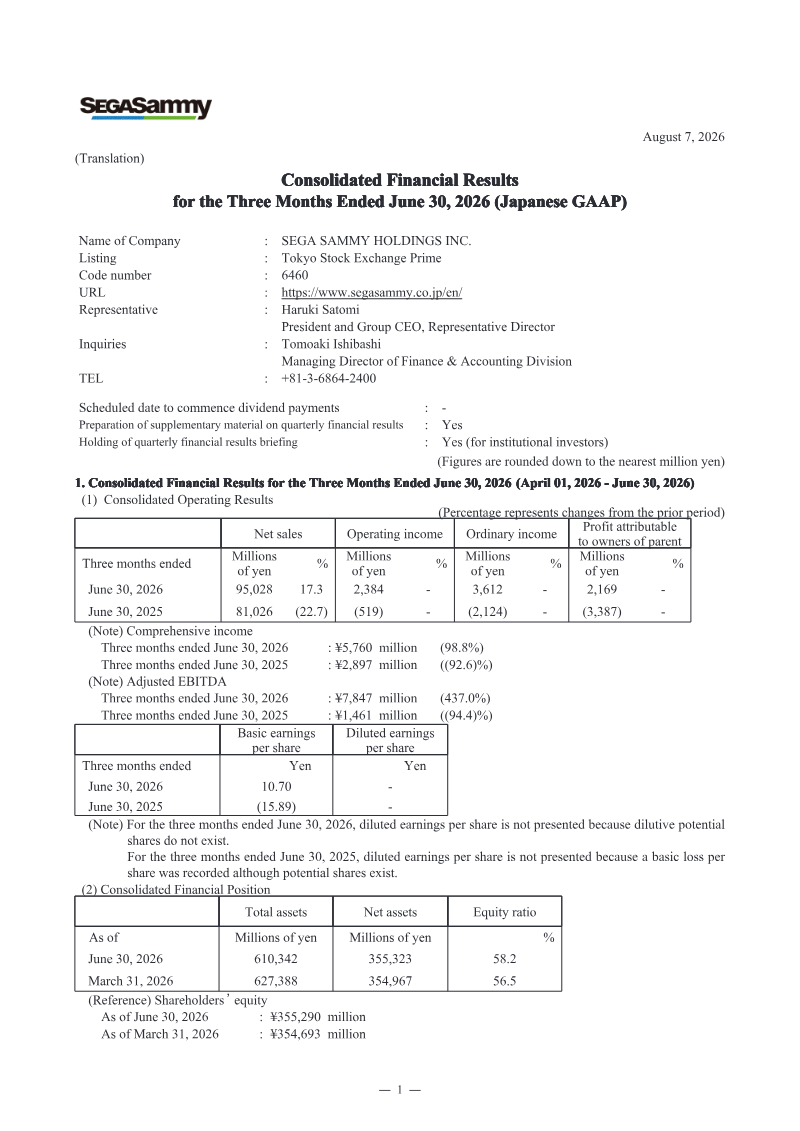
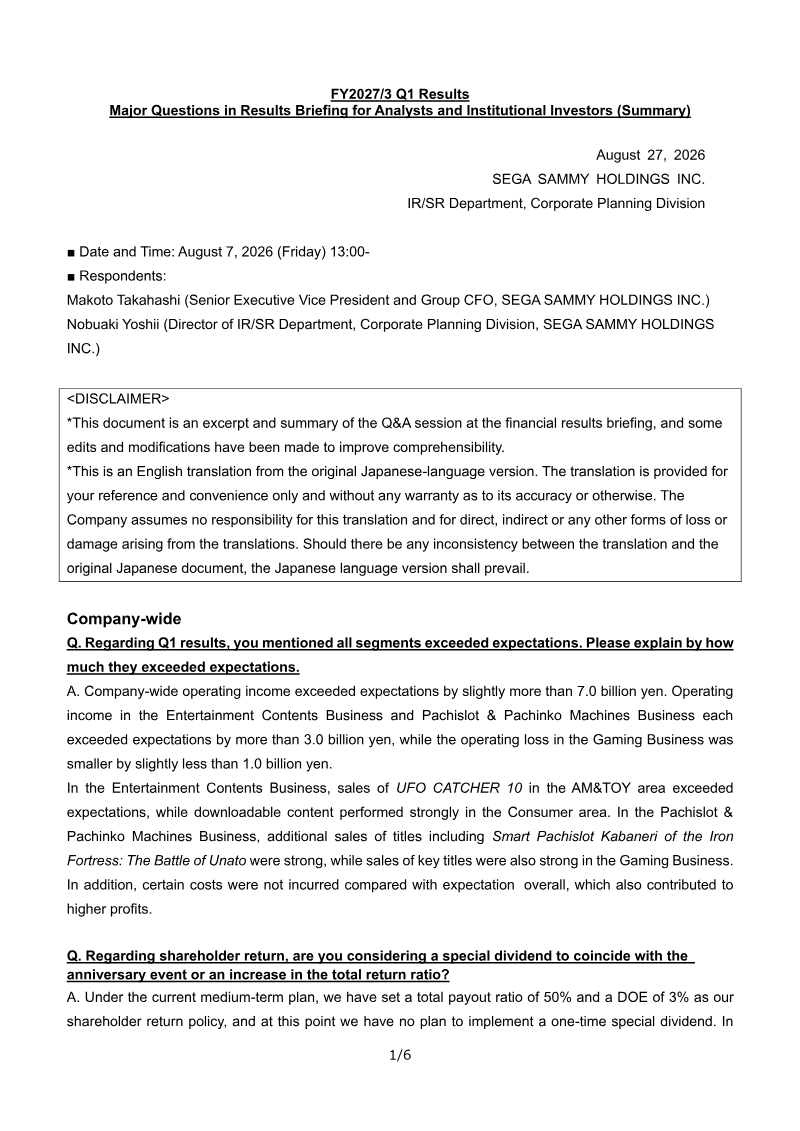
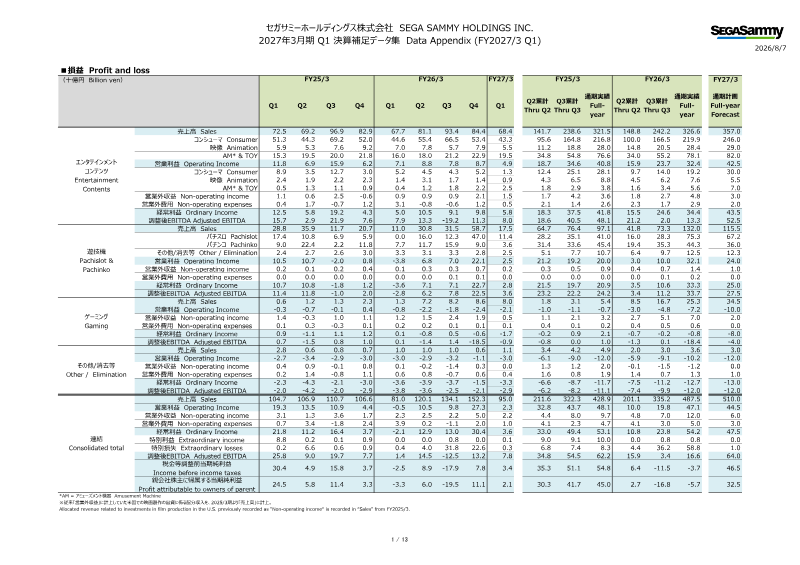
Sega Sammy’s performance through the third quarter of the fiscal year ending March 2026 is characterized by a significant divergence between robust domestic gaming machine operations and substantial financial setbacks in the global consumer and mobile segments. While the Pachislot and Pachinko division exceeded expectations—driven by high-volume unit sales of titles like Smart Pachislot Tokyo Revengers—the broader group faces a projected net loss of 13.0 billion yen for the fiscal year. This downturn is primarily the result of 46.3 billion yen in extraordinary impairment losses related to the acquisitions of Rovio and Stakelogic, the latter of which was impacted by regulatory shifts in the Netherlands.
The Entertainment Contents Business struggled with underperforming new full game launches and a deteriorating user acquisition environment for mobile titles, most notably Sonic Rumble. Consequently, management has pivoted from aggressive expansion to a period of consolidation, suspending large-scale M&A activities in favor of a 20.0 billion yen share buyback program. To restore profitability within the mobile sector, the strategy now emphasizes a "regrowth phase" for Rovio, leveraging AI-driven marketing efficiencies and a transmedia approach that includes major theatrical releases for the Angry Birds and Sonic franchises scheduled through 2027.
Despite current headwinds, the medium-term outlook relies on a robust multi-platform pipeline and the expansion of the Gaming Business, which includes record-high performance at Paradise SegaSammy fueled by Japanese VIP demand. Upcoming releases for the Nintendo Switch 2 and the continued rollout of high-profile intellectual properties like Yakuza and Persona are intended to stabilize the consumer area. Geographically, the company remains focused on global markets while maintaining strict compliance with international gaming regulations in jurisdictions such as Nevada, which govern both corporate operations and shareholder requirements.
Sega Sammy Holdings · 2026
Sega Sammy Holdings · 2026
Sega Sammy Holdings · 2026
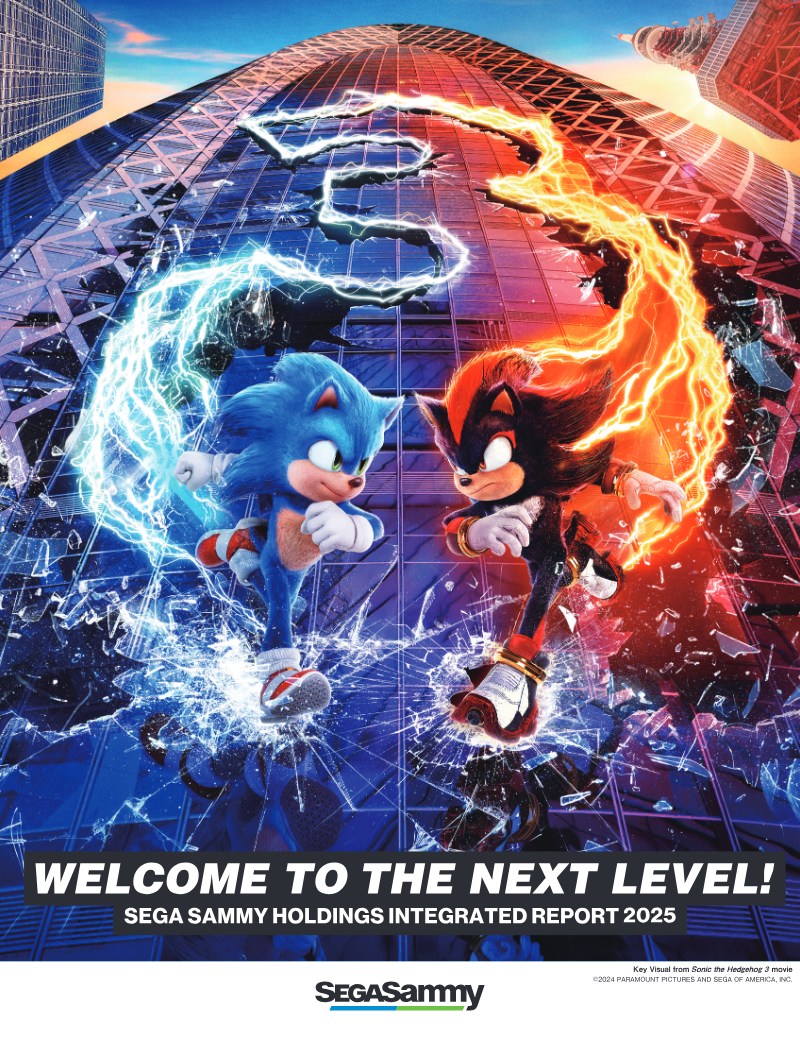
Sega Sammy Holdings · 2025
Sega Sammy Holdings · 2025
Sega Sammy Holdings · 2025
Sega Sammy Holdings · 2024
Sega Sammy Holdings · 2024
Sega Sammy Holdings
Sega Sammy Holdings
Sega Sammy Holdings
Sega Sammy Holdings
Capcom Co. · 2026
COLOPL · 2026
Bushiroad · 2026
Marvelous · 2026
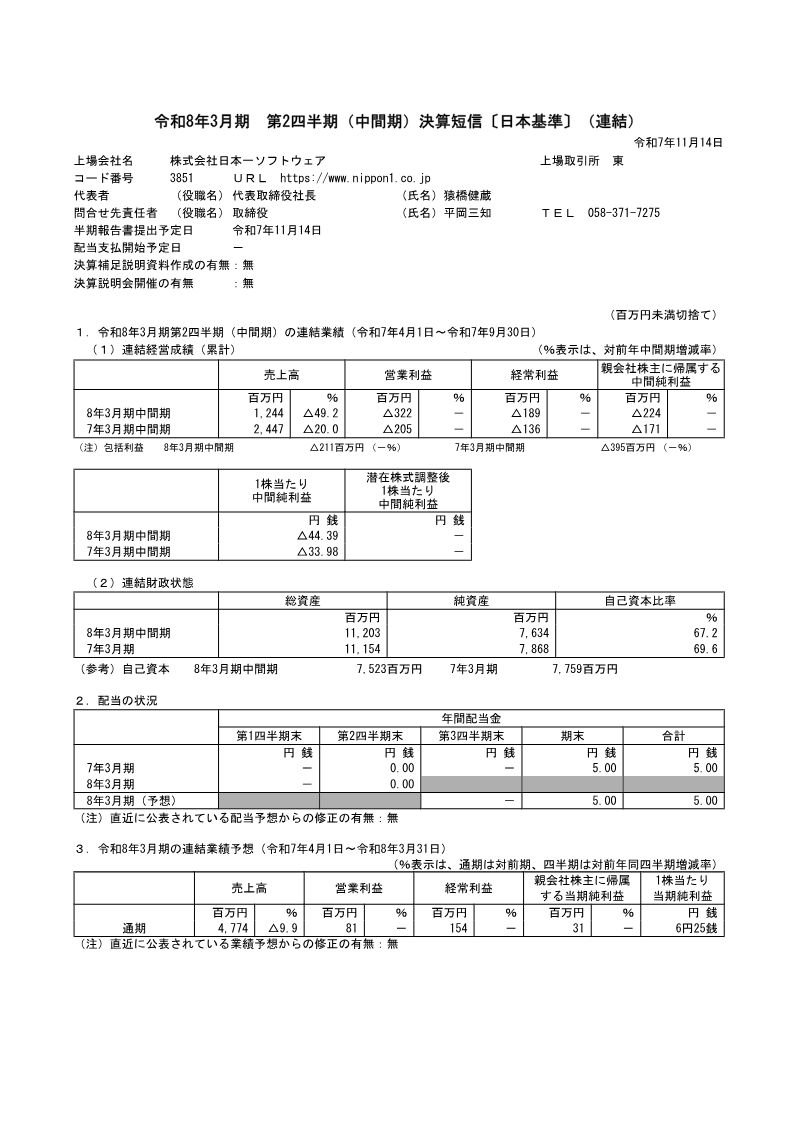
Nippon Ichi Software · 2025
Marvelous · 2025
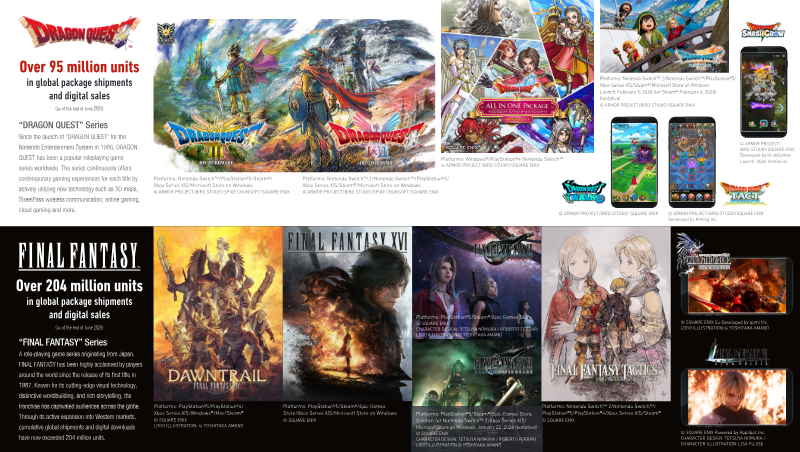
Square Enix · 2025
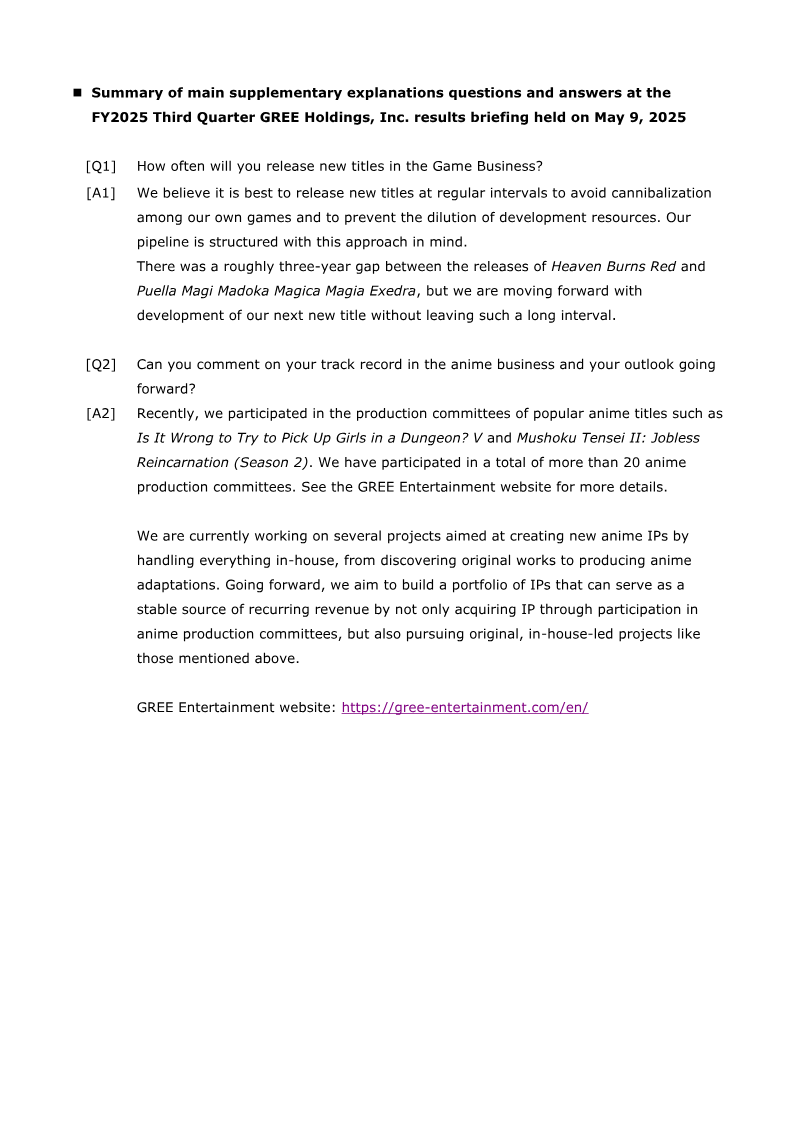
GREE · 2025
GREE · 2025
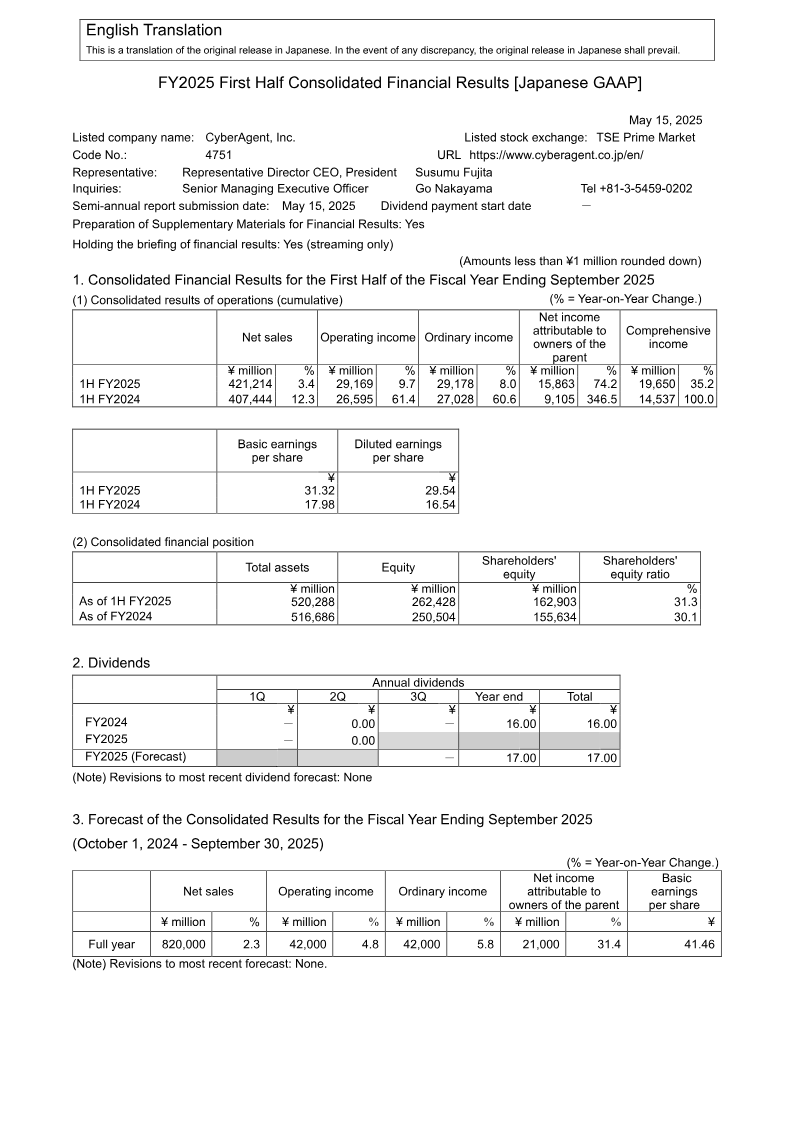
CyberAgent · 2025
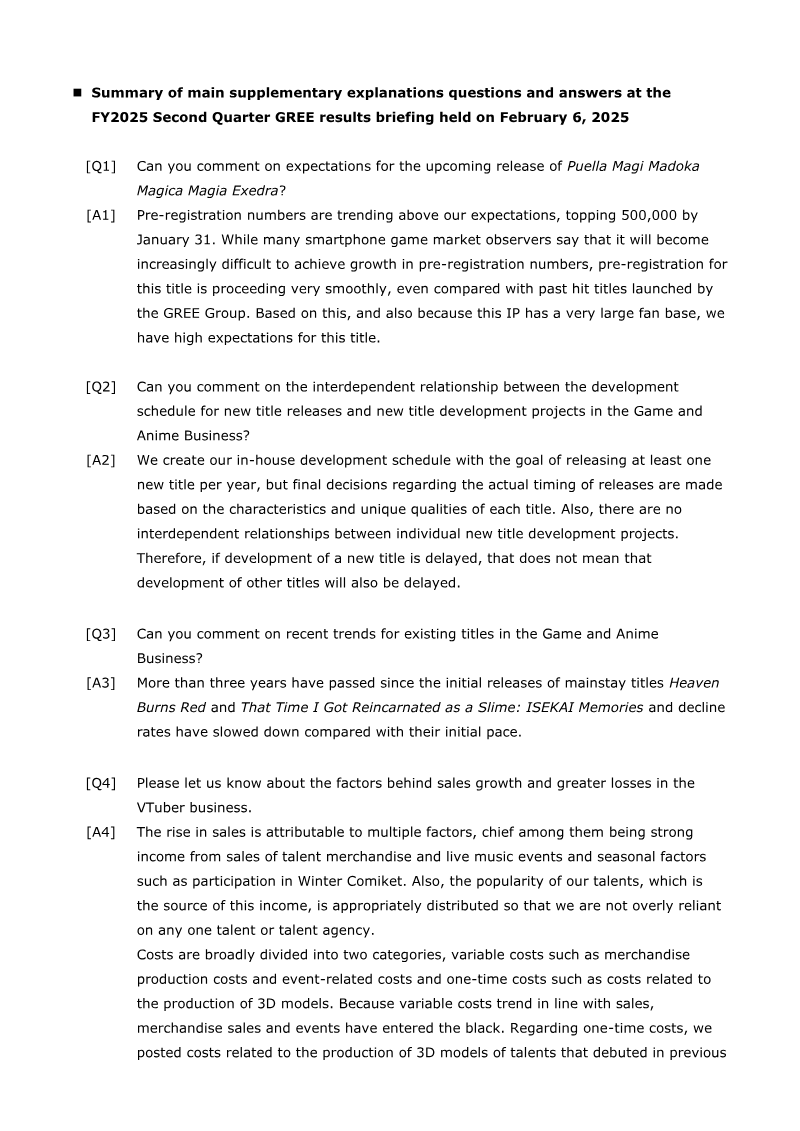
GREE · 2025
Nintendo · 2025