FinancialtinyBuild
Annual Report and Consolidated Financial Statements for the Year Ended 31 December 2021
1 Apr 202266 pages~161 min full read
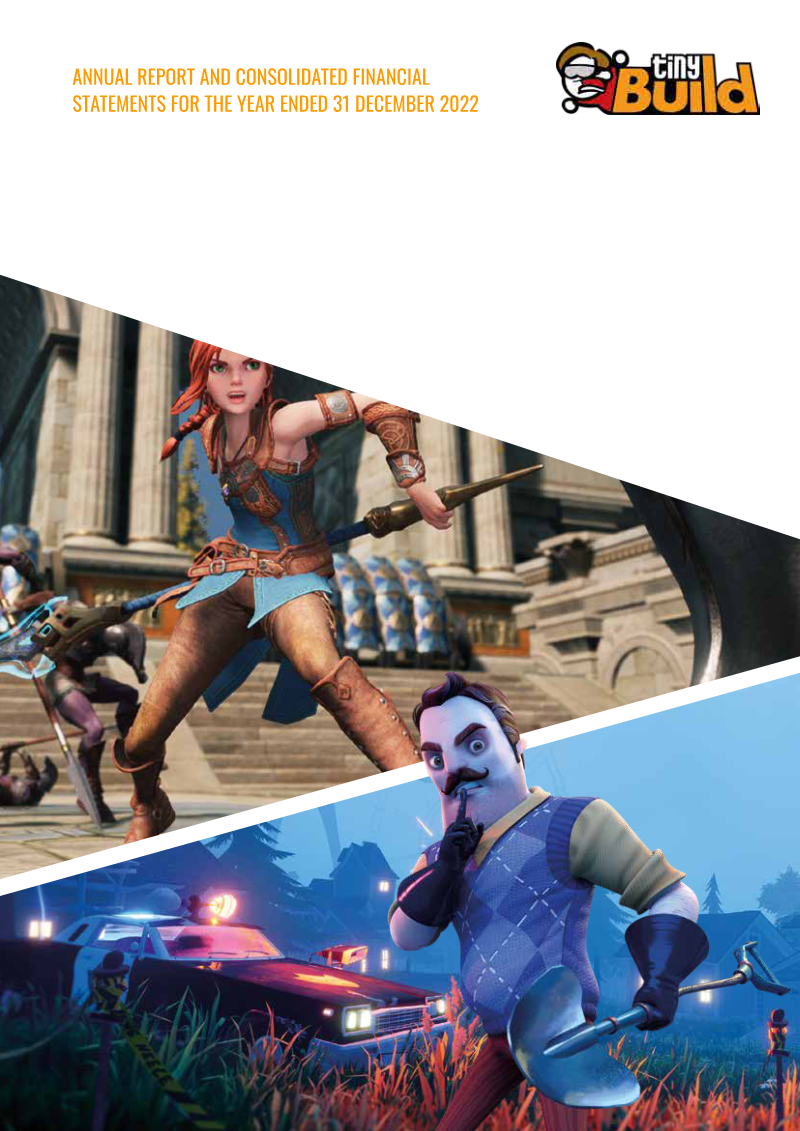
The 2021 fiscal year marked a transformative period for tinyBuild as it successfully transitioned to a public company via a March IPO on the London Stock Exchange’s AIM market. This strategic shift facilitated record financial performance, with consolidated revenue rising 39% to $52.2 million and Adjusted EBITDA growing 46% to $22.2 million. These results were underpinned by an aggressive expansion of the company’s own-IP portfolio, which increased to 81% of total revenue, and a robust back-catalogue that contributed 83% of sales. The company’s "multi-game and franchise" model was further validated by the continued success of the Hello Neighbor franchise, which surpassed 70 million downloads and expanded into a multimedia brand.
Operational growth was largely driven by a significant M&A program, including seven acquisitions such as Versus Evil and Red Cerberus. These transactions, totaling millions in investment, bolstered publishing, QA, and development capabilities while diversifying the global footprint into high-skill, low-cost regions. Despite these gains, the company faced substantial geopolitical headwinds due to the conflict in Ukraine. Management responded with a large-scale extraction operation to relocate staff to new hubs in the Balkans and Western Europe. While the affected regions account for less than 5% of annual revenues, the company remains focused on mitigating regional instability and reducing revenue concentration among its top titles and platform partners.
The company concluded the year in a strong liquidity position, reporting $48.8 million in cash and total assets expanding to $122.4 million. Following the IPO, tinyBuild established formal corporate governance structures and performance-based remuneration policies to align leadership with shareholder interests. With a pipeline of over 30 titles and a data-centric marketing strategy leveraging thousands of influencers, the group is positioned as a multimedia powerhouse. The transition to a public entity has provided the capital necessary to continue its trajectory of organic investment and strategic acquisitions within the global indie gaming market.
tinyBuild · 2026
tinyBuild · 2025

tinyBuild · 2025

tinyBuild · 2024
tinyBuild · 2024
tinyBuild · 2023

tinyBuild · 2021

tinyBuild · 2021
tinyBuild · 2021

tinyBuild
tinyBuild
tinyBuild

tinyBuild
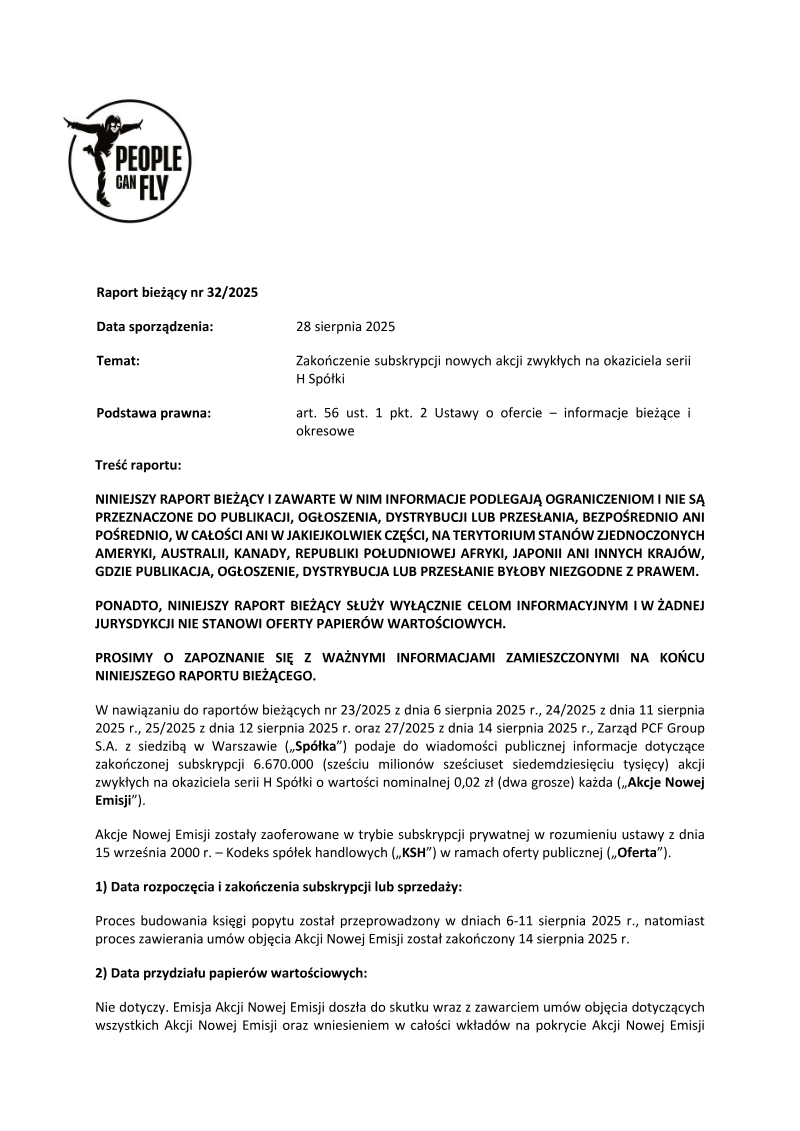
PCF Group · 2025
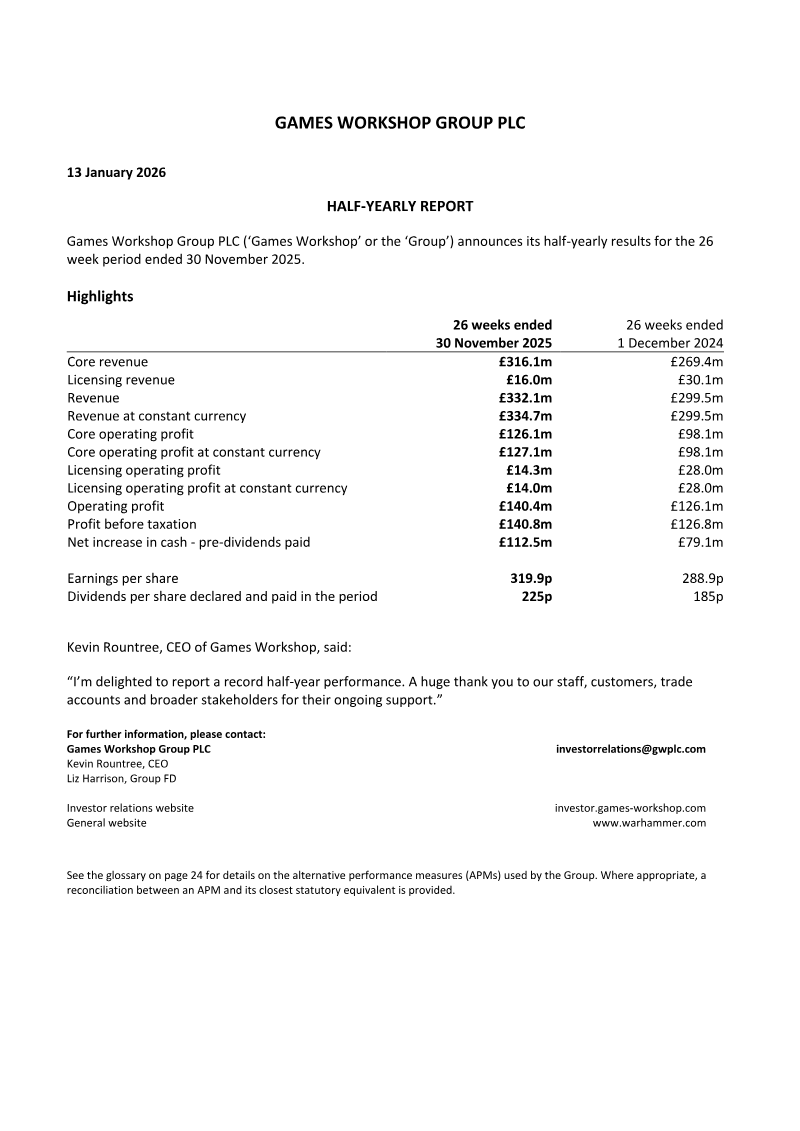
Games Workshop Group · 2025

InvestGame · 2024
Frontier Developments · 2023

PCF Group · 2021
InvestGame · 2021
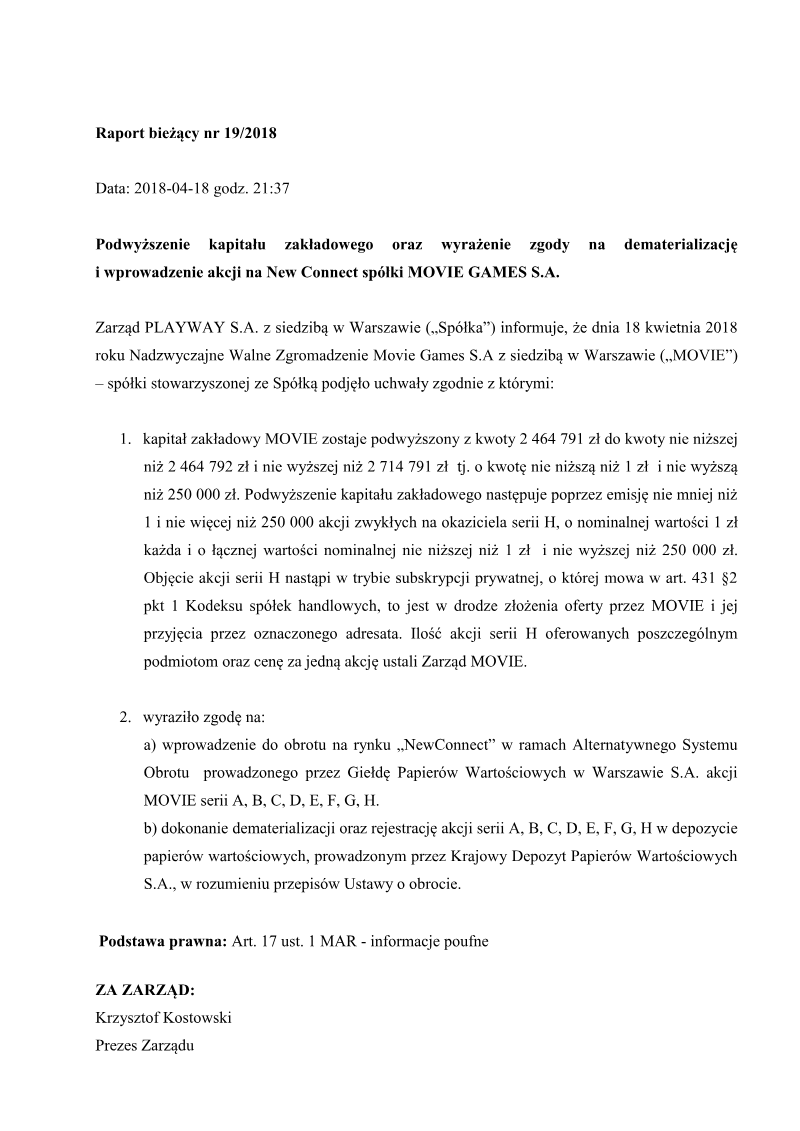
PlayWay · 2018
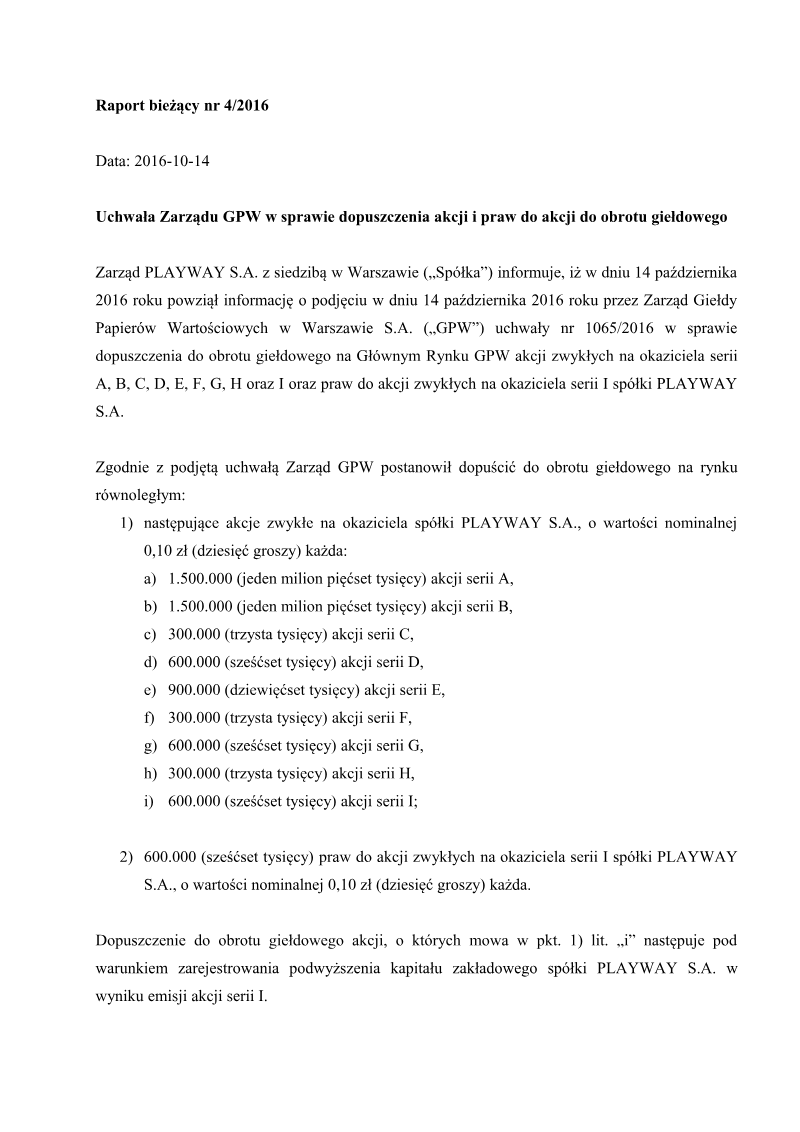
PlayWay · 2016

Games Workshop Group · 2015

Coffee Stain Group AB
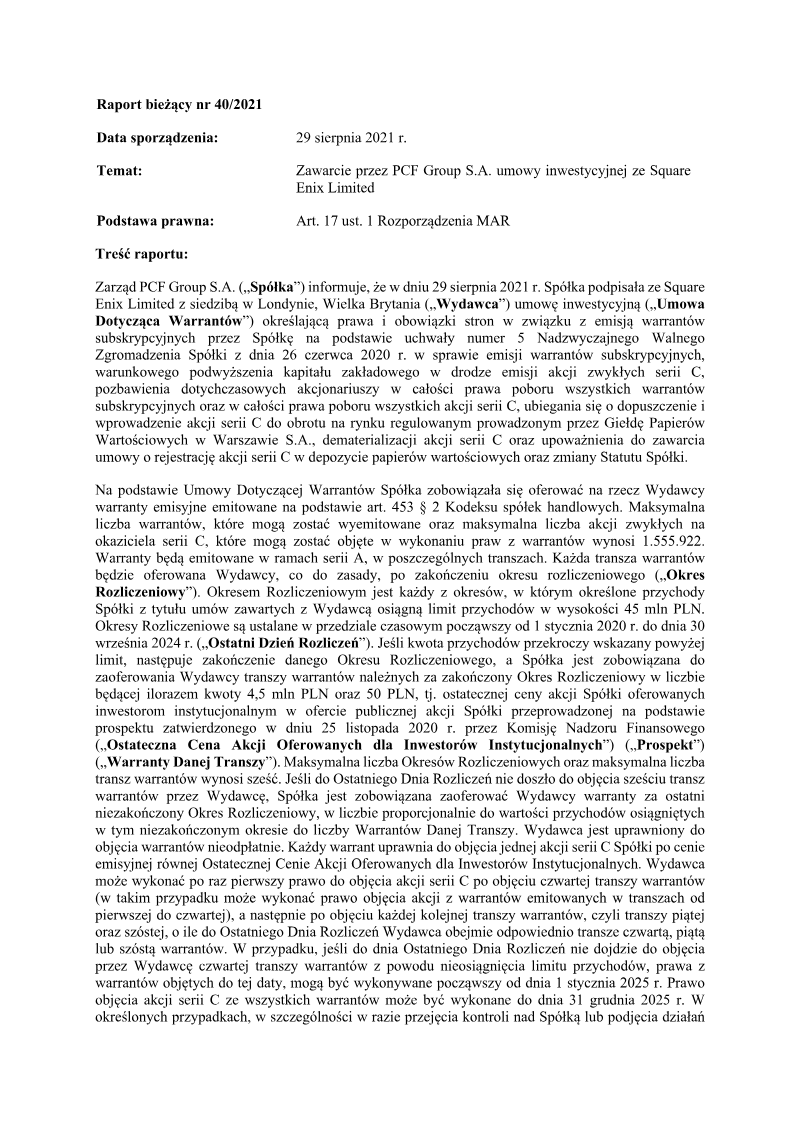
PCF Group