
The 2023 Serbian gaming industry assessment quantifies the sector’s rapid expansion, maps its ecosystem, and evaluates the conditions shaping future growth. Drawing on a 97‑question survey that reached 80 % of the domestic ecosystem and validated financial data for the 21 leading firms, the analysis establishes a clear upward trajectory for Serbia’s game development landscape.
Total industry revenue reached €175 million, a 17 % year‑on‑year increase, while the workforce nearly doubled to roughly 4,300 professionals. The market now hosts 38 active studios producing 81 titles, with mobile‑first games still dominant but ceding share to core and original‑IP projects. Talent inflows from Russia, Ukraine and Belarus, together with 70 % of respondents expressing optimism, underpin this momentum, and a quarter of companies are planning foreign offices despite lingering concerns over tax incentives and regulatory red tape.
The ecosystem comprises more than 140 companies and over 500 regional stakeholders, featuring high‑profile successes such as Foxy Voxel’s “Going Medieval” (850 k+ copies), GameBiz Consulting’s $250 million revenue from 80+ global studios, Onyx Studio’s 57 million monthly players, and Sozap’s NASDAQ listing with 30 million downloads. Collaborative ties with DICE/EA, Microsoft, Google and Epic Games, alongside mentoring programmes, Gamescom exposure, and the Shift2Games and Playing Narratives initiatives, reinforce Serbia’s emergence as a European development hub. At the same time, the rollout of generative‑AI tools raises IP, privacy and deep‑fake risks, prompting EU‑wide regulatory scrutiny.
Overall, the sector is maturing into a diversified, internationally connected hub with strong growth prospects. Realising its potential will require addressing regulatory and fiscal barriers, leveraging AI responsibly, and sustaining education and mentorship programmes that nurture talent and support SMEs in scaling their operations.
SGA · 2024

SGA · 2023

SGA · 2021
SGA · 2020

SGA · 2019

SGA · 2019

Modern Times Group · 2026
Modern Times Group · 2026
NEXON Co. · 2026
CyberAgent · 2026

InvestGame · 2025
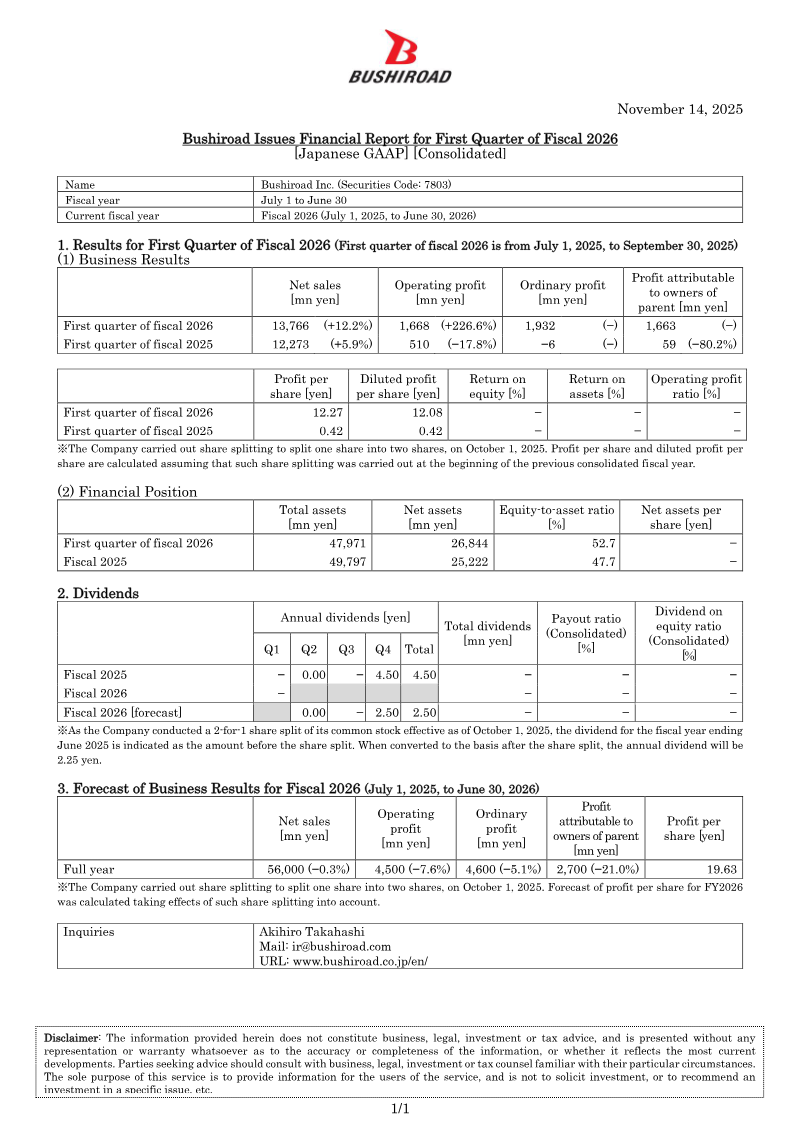
Bushiroad · 2025

Modern Times Group · 2025
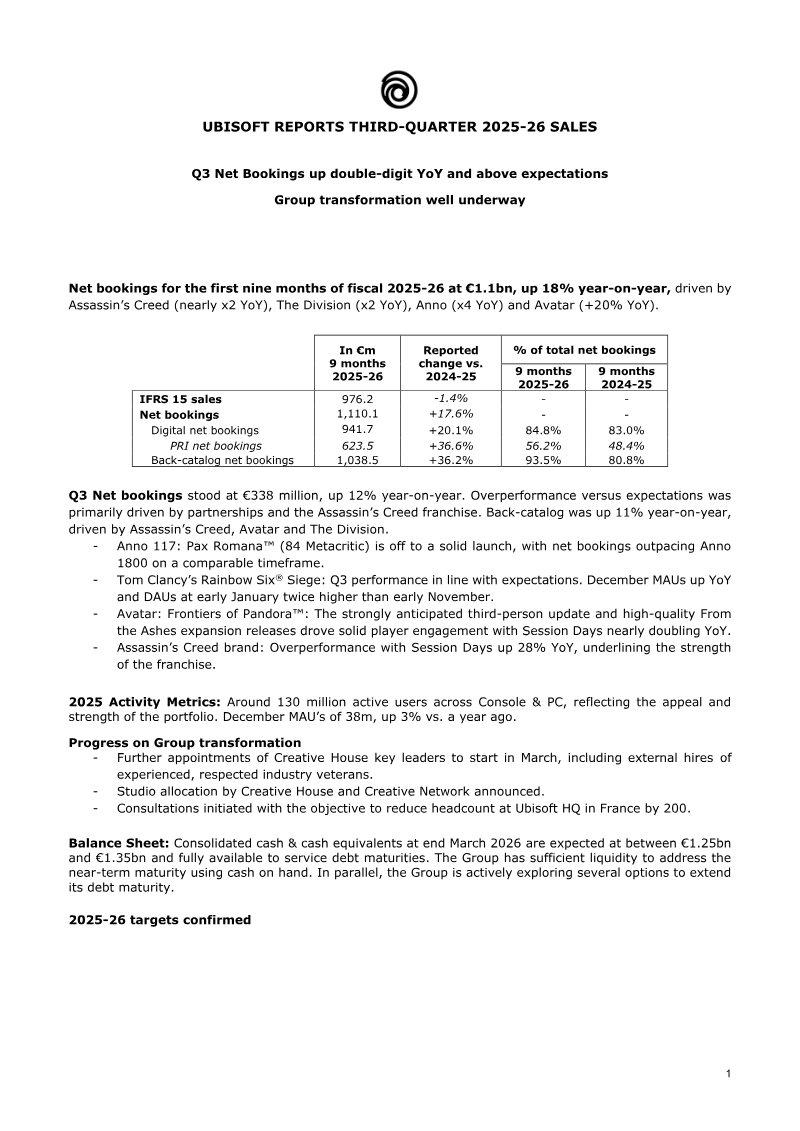
Ubisoft · 2025

G5 Entertainment AB · 2024

Paradox Interactive · 2024

PitchBook · 2024

Lumikai · 2024