1 free read left. Create a free account for unlimited reading + AI research.
Create free accountReport DiGRA
1 free read left. Create a free account for unlimited reading + AI research.
Create free accountReportDiGRA
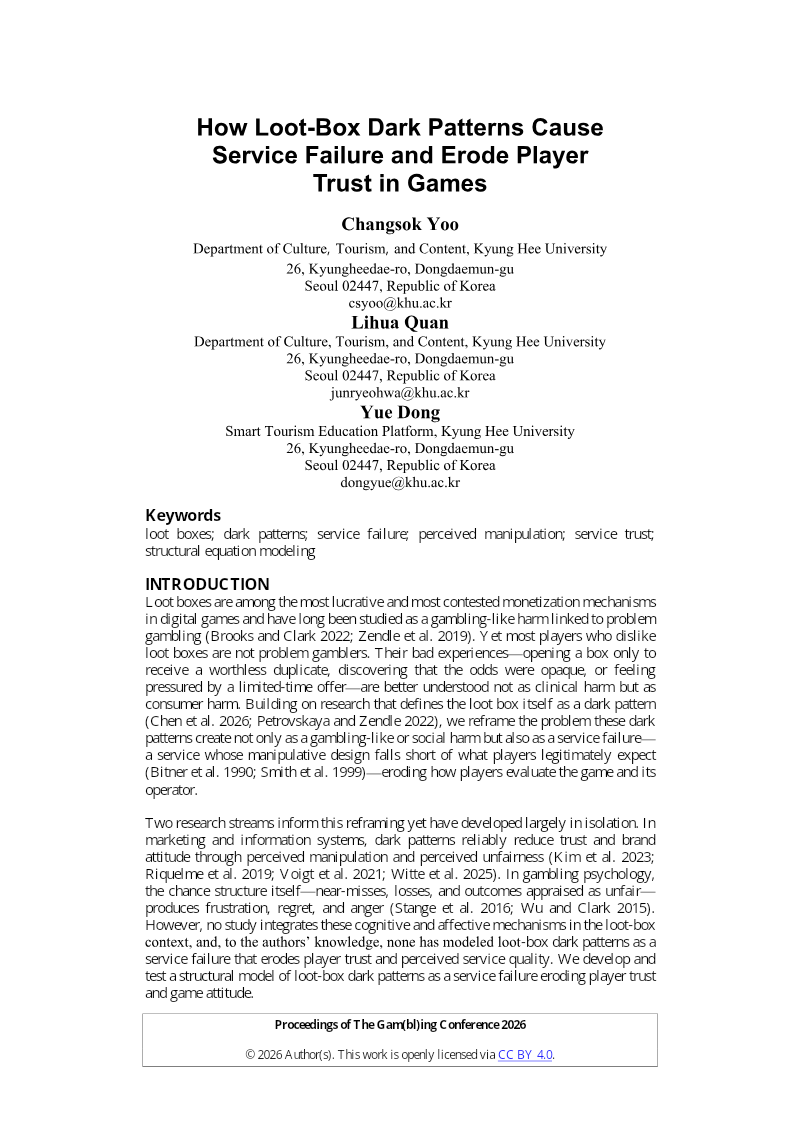
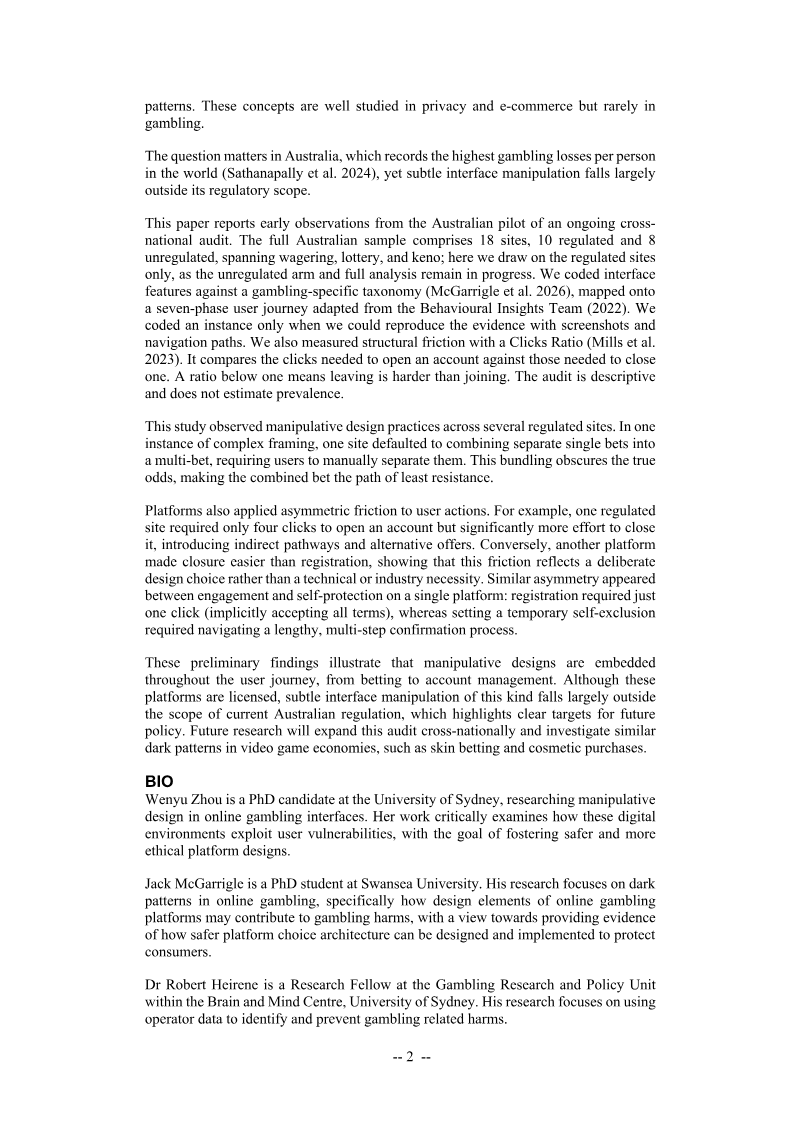
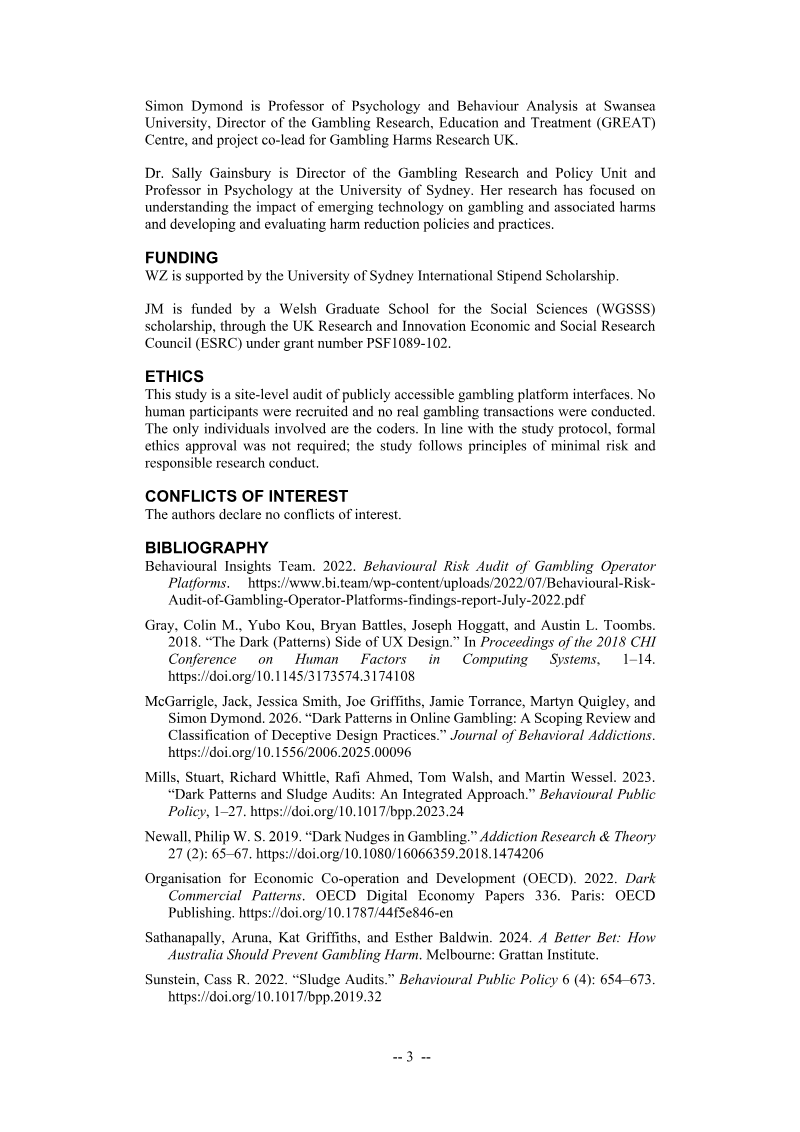
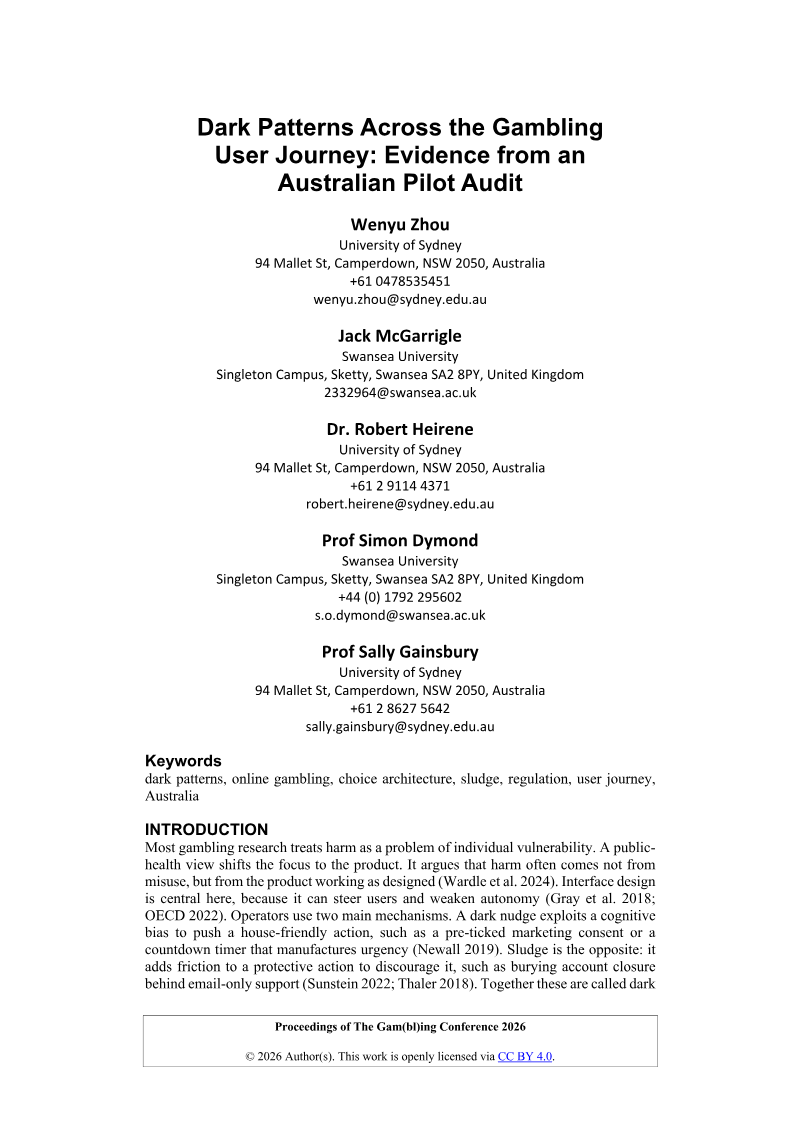
The paper argues that academic work on European videogame history has been overlooked, omitted, or forgotten. It places this work at the limits and margins of mainstream game studies.
This paper outlines the initial findings and methodology of the "Grassroots of Digital Europe" (GRADE) project, a Cooperation of Science and Technology-funded initiative launched in November 2022 and set to conclude in October 2026. The project's overarching goal is to map the historical influences of creative computing across Europe from the 1970s to the present European Digital Decade (2020-2030). A primary workstream, scheduled for completion in April 2023, focuses on surveying, collecting, collating, and archiving academic papers on videogames and creative computing from the past 40 years that have been previously overlooked or forgotten, thereby establishing a current understanding of the field's historical scholarship across the continent.
The medium-term objective is to uncover hidden narratives and themes within and across European countries, particularly those concerning women and global majorities. The study employs methods such as surveys, literature reviews, and bibliographic tools for data collation and sharing. A key reason for the omission of much of this literature from contemporary games history studies is its placement at the margins of current videogame research, often within "liminal spaces" characterized by an oscillation between established and new modes of thinking. This liminality is seen as typical of European videogame histories, where technological advancements in creative computing complemented, countered, or co-existed with existing political economies.
The research draws on Van Gennep's three phases of liminality—separation, transition, and incorporation—to understand how the revolutionary nature of early creative computing did not always allow for smooth transitions between users, communities, and cultures. The paper highlights that the playful nature of creative computing, including hacking and the demoscene, often generated an "alternative space" outside the system, which was not consistently documented beyond the immediate joy of creation. This is particularly true where approaches to videogames and creative computing varied significantly across local, regional, national, and transnational contexts. The project aims to address these gaps by incorporating a trans-disciplinary group of scholars, curators, and archivists to provide insight into European scholarship on videogame development, focusing on indicative themes and hidden narratives from marginalized groups, including women, global majorities, and LGBTQI+ individuals.
DiGRA · 2026
DiGRA · 2026
DiGRA · 2026
DiGRA · 2026
DiGRA · 2026
DiGRA · 2026
DiGRA · 2026
DiGRA · 2026
DiGRA · 2026
DiGRA · 2026
DiGRA · 2026
DiGRA · 2026
GAMEHEARTS · 2026
European Conference on Games Based Learning (ECGBL) · 2026
European Conference on Games Based Learning (ECGBL) · 2026