Loading the document
1 free read left. Create a free account for unlimited reading + AI research.
Create free accountArticle How To Market A Game
1 free read left. Create a free account for unlimited reading + AI research.
Create free accountArticleHow To Market A Game
Players hold precise genre expectations, and marketing that misrepresents a game leaves them feeling tricked, which shows up in negative reviews. This 2020 indie marketing blog post argues that developers, especially solo creators and small teams, are too close to their work to describe it accurately, and offers a three-step process for articulating what a game actually is to outsiders. The core thesis is that developers are not their own target audience and should borrow language directly from the players they want to reach.
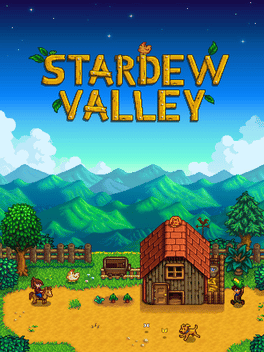
The motivating example is a poorly received Steam launch whose reviewers complained that they expected a fun open-world farming simulator but received a simple survival game, and that comparisons to Zelda and Stardew Valley/Harvest Moon were inaccurate. The author uses a Warren Buffett analogy about advertising a rock concert as a ballet to illustrate the danger of mismatched messaging.
The first step is to study what fans of a comparable target game say in forums and reviews, identifying the "fault lines" that distinguish subgenres. Using Europa Universalis IV as a hypothetical, the author finds fans repeatedly praising its non-cheating AI and its historical accuracy, then converts that into a sample Steam short description about passing a high school history class. Interviewing genre fans in subreddits and Discord servers is recommended for deeper insight.
The second step is to let genre fans, rather than random convention attendees or fellow designers who may be naive to genre conventions, playtest the game, some blind and some after seeing the store description and screenshots. Follow-up questions cover what the game reminds them of, how they would describe it to a friend, its key features, and whether it matched the marketing. The third step is to write three short descriptions, each emphasizing a different genre convention, and ask players which best fits their experience. The author reports that audiences often converge strongly on one version. The conclusion encourages copying audience language, sometimes word for word.
Each row is a game or company this document names, each column a document, oldest first. A mark means that document names it. Select a row to see those documents.
How To Market A Game · 2026
How To Market A Game · 2026
Digital Dragons · 2026
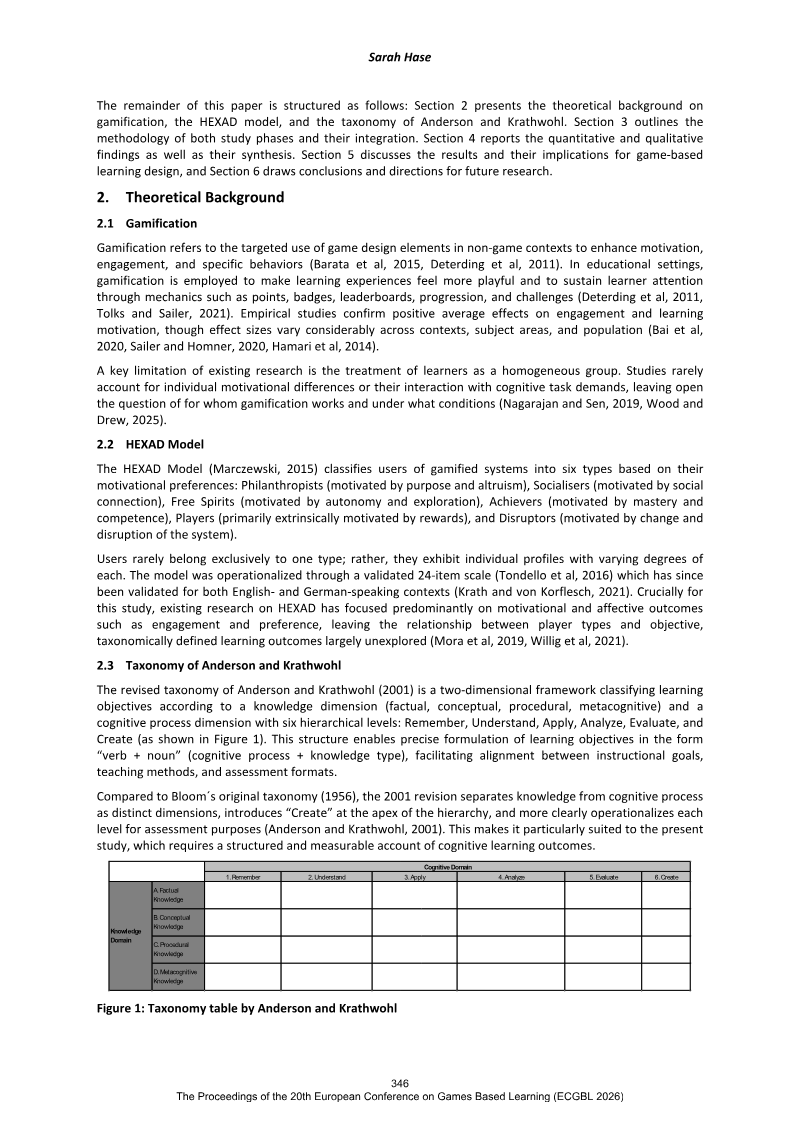
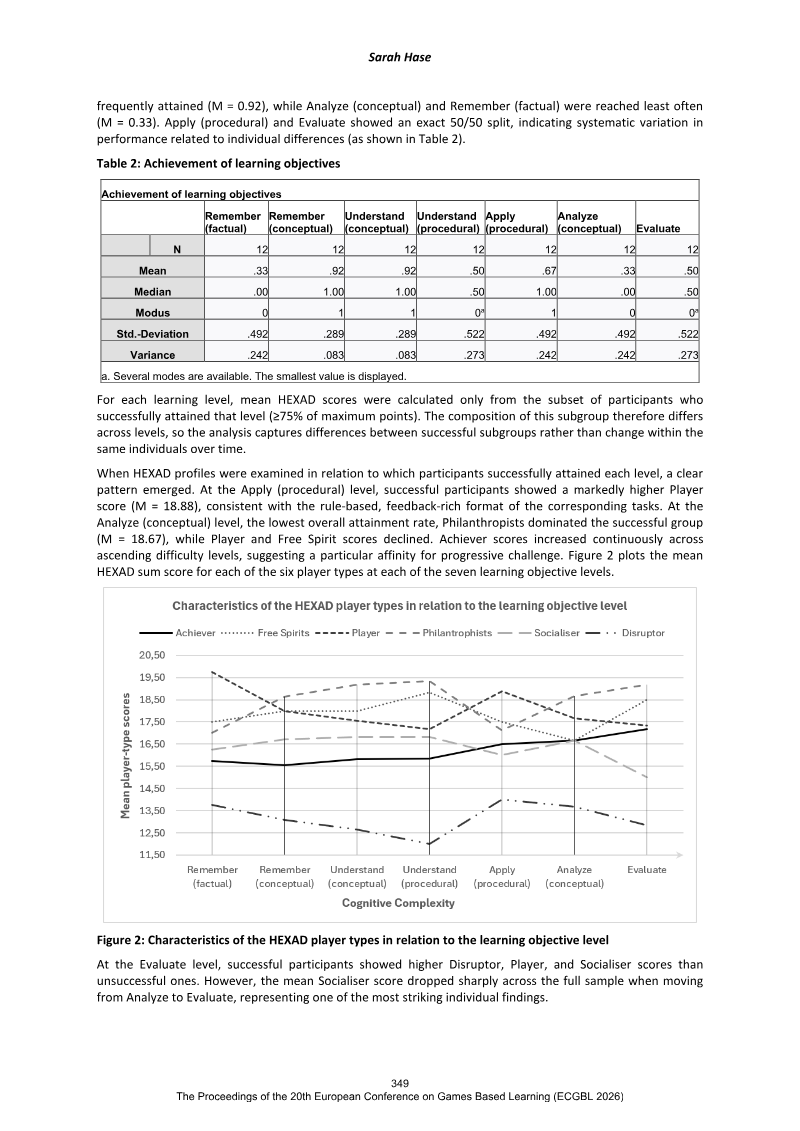
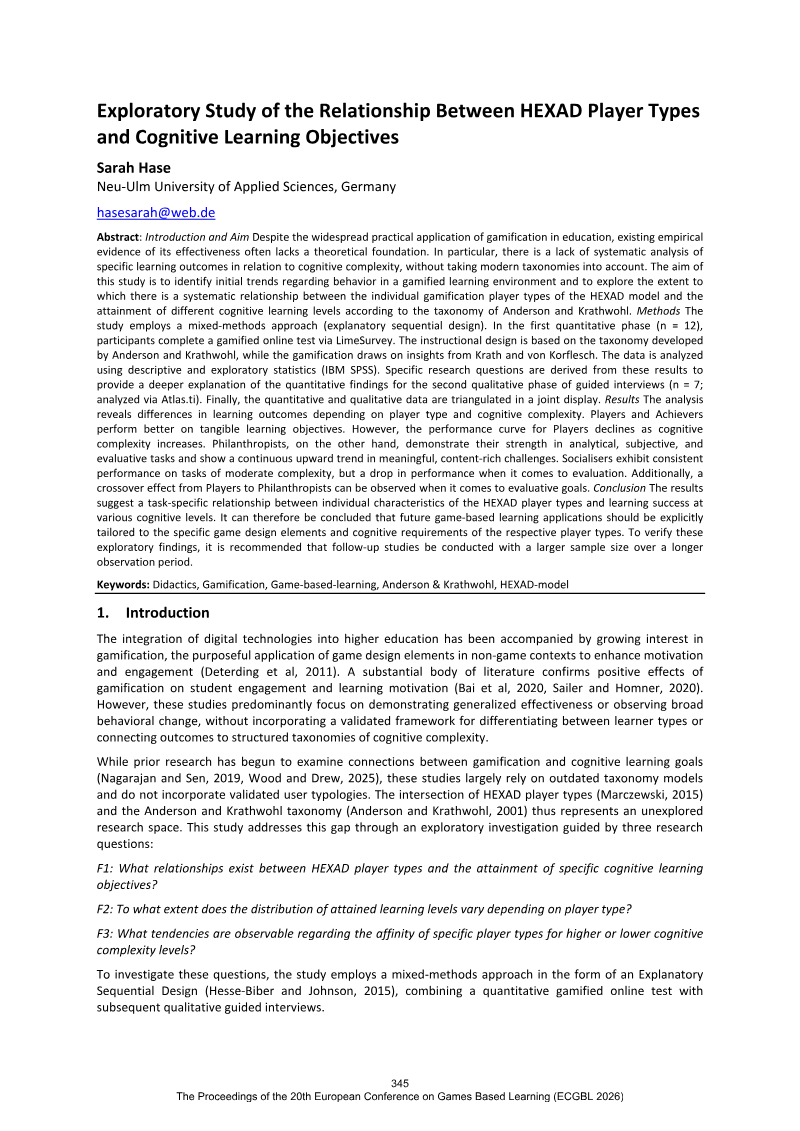
European Conference on Games Based Learning (ECGBL) · 2026
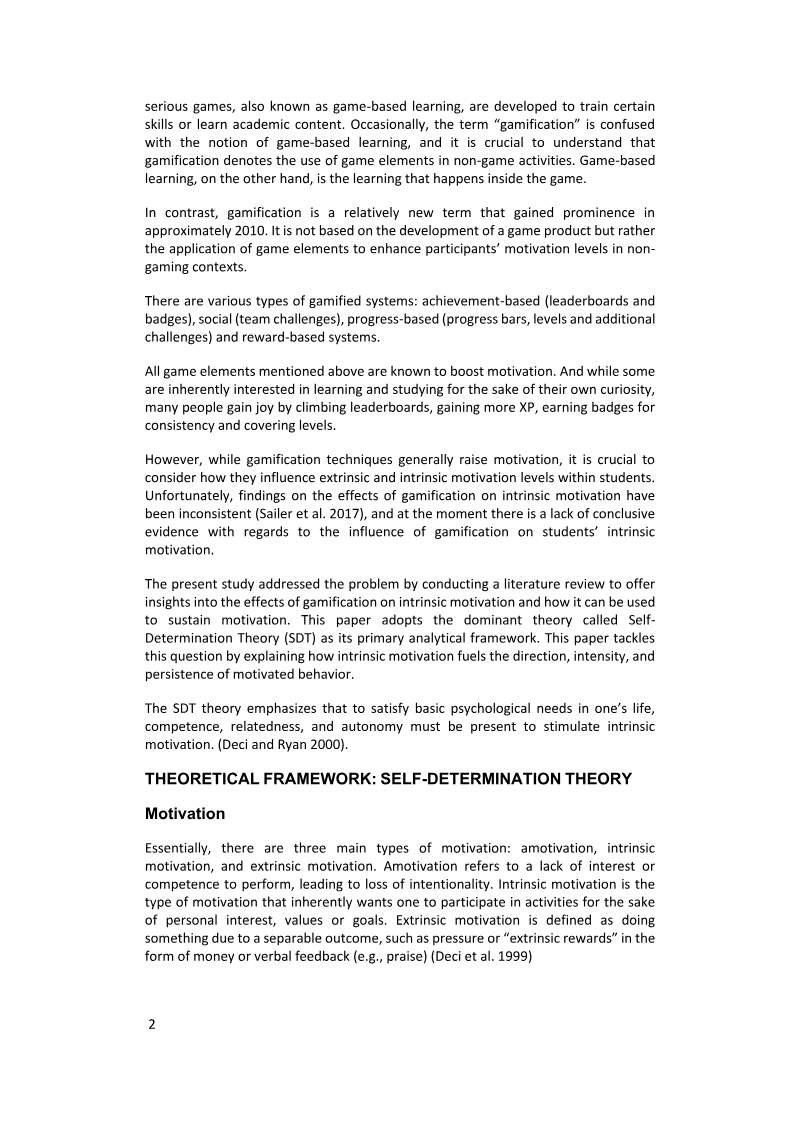
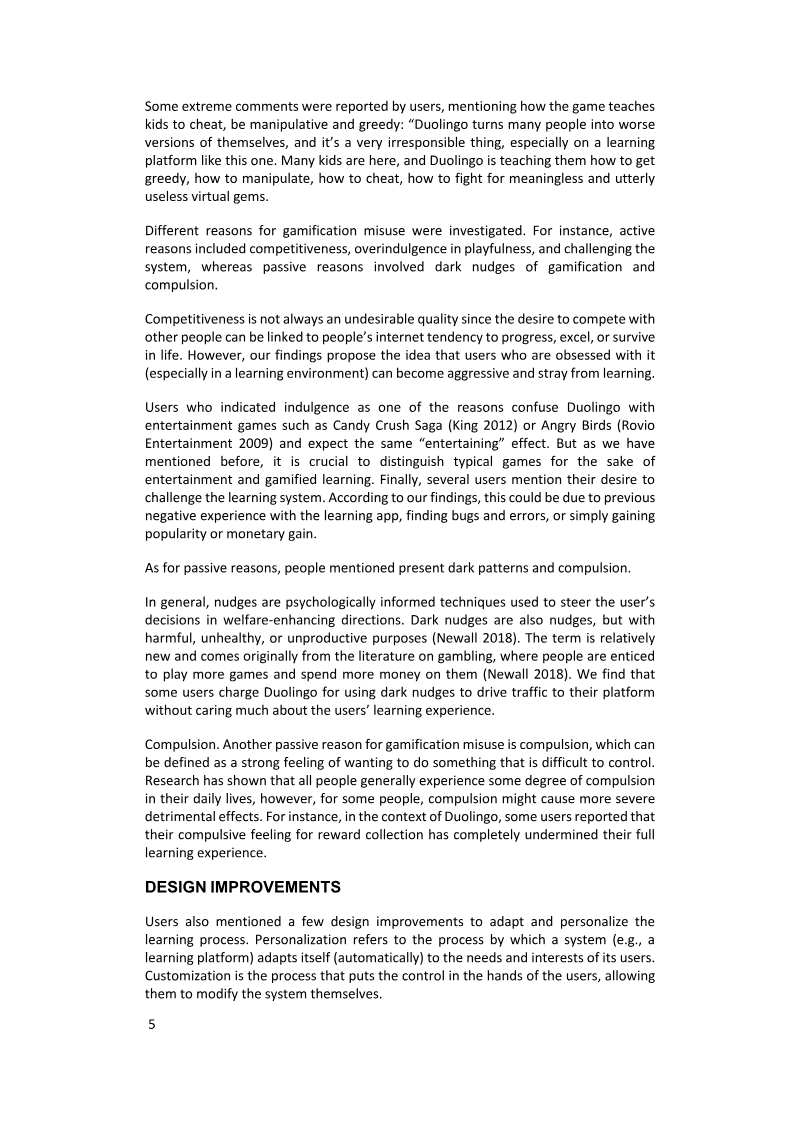
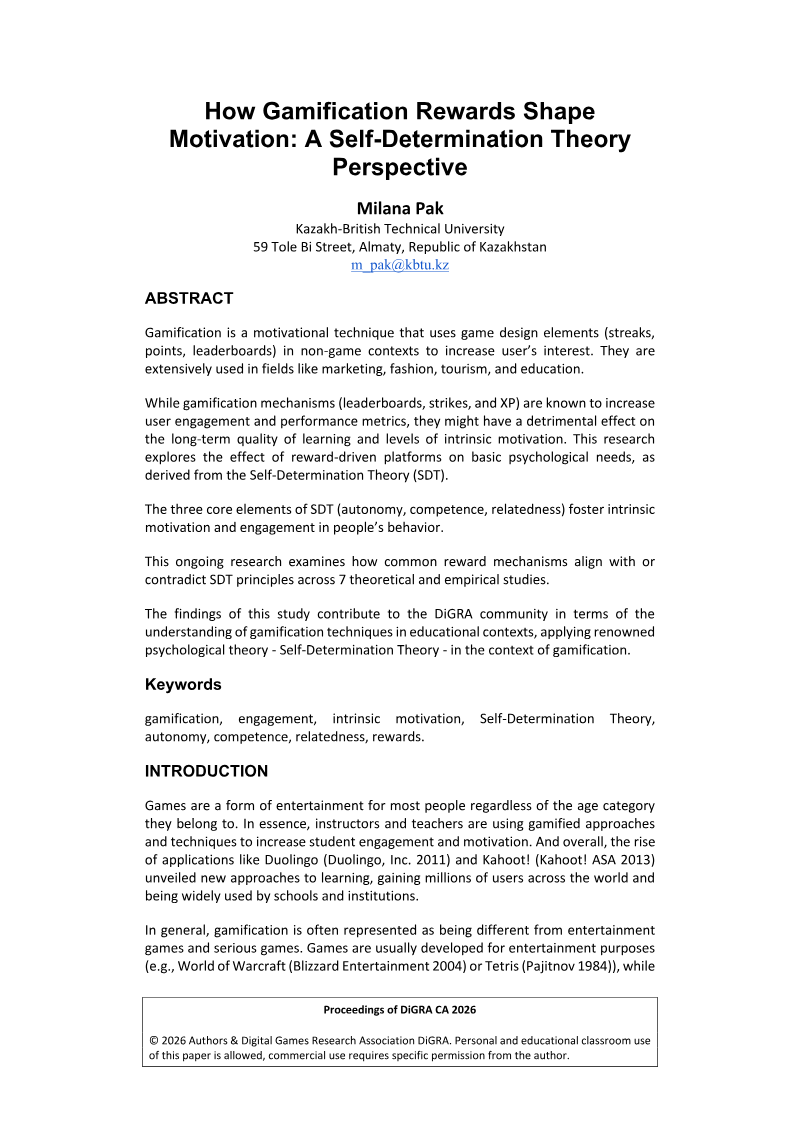
DiGRA · 2026
DiGRA · 2025
DiGRA · 2025
DiGRA · 2025
Extra Credits · 2024
DiGRA · 2024
Extra Credits · 2023
DiGRA · 2022
Game Developers Conference · 2021
Game Developers Conference · 2019